

Attic vs. Crawl Space: Where Does Spray Foam Make the Biggest Impact in Historic New Orleans Homes?
Living in a historic New Orleans home is a trade-off. You get the irreplaceable character, the soaring ceilings, and the connection to the city’s soul. You also get the oppressive summer humidity that seeps through the walls, the surprisingly chilly drafts in winter, and an AC unit that runs a marathon from May to October, driving your energy bills through the roof. You know you need better insulation, but the real question is where to start for the best return on your investment. Do you attack the sweltering attic or the damp, musty crawl space?
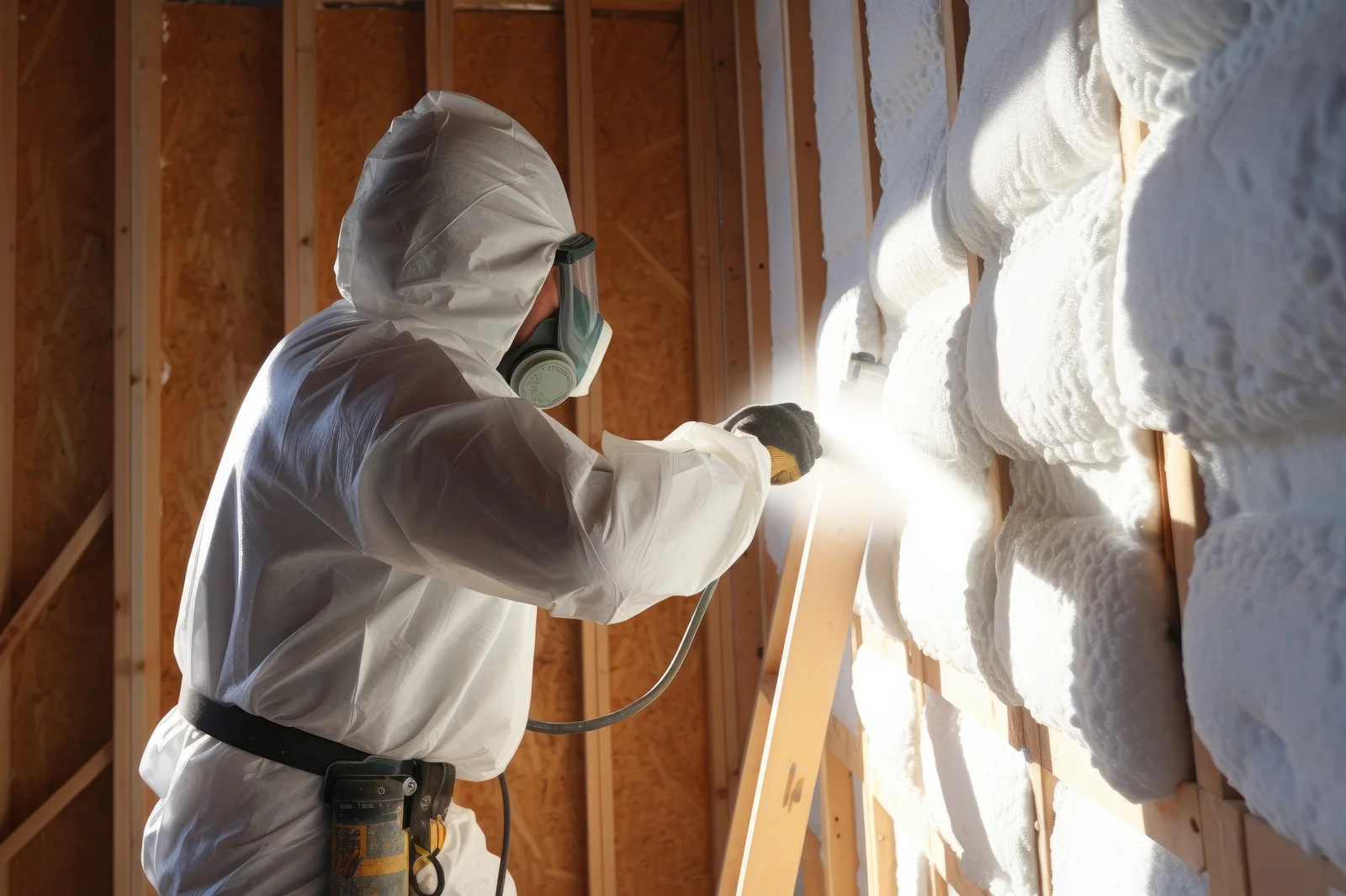
For over 18 years, Sunlight Contractors has been inside these unique Louisiana homes, solving the comfort and efficiency problems that plague them. We’ve seen it all, from termite-eaten subfloors to attics that feel like blast furnaces. This guide will cut through the noise, break down the specific challenges of both your attic and crawl space, and explain where spray foam insulation delivers the most significant impact on your comfort, energy savings, and the structural health of your historic home.
Key Takeaways
- Attic Insulation for Immediate Relief: Applying open-cell spray foam to your attic roof deck provides the most immediate and noticeable relief from high summer AC bills and makes your entire home, especially the second floor, more comfortable.
- Crawl Space Insulation for Long-Term Health: Encapsulating your crawl space with closed-cell spray foam is critical for the long-term structural integrity and air quality of your home, fighting moisture, mold, wood rot, and pests from the ground up.
- A Tale of Two Foams: The type of spray foam matters. Open-cell is used in attics to allow for drying, while closed-cell is used in crawl spaces to act as a powerful vapor barrier against ground moisture.
- The “Whole Home” Approach is Best: While targeting one area yields results, treating both the attic and crawl space creates a completely sealed building envelope, maximizing comfort, savings, and home health.
Why New Orleans Homes Are a Different Beast Entirely
You can’t apply generic insulation advice to a century-old New Orleans home. Our city presents a unique combination of environmental and architectural challenges that demand a specific, expert-led approach.
- The Humidity Factor: It’s not just the heat; it’s the thick, wet air. Humidity is the enemy of comfort and structure in the South. Humid air holds more heat, making 90°F feel like 105°F. More importantly, it’s the primary ingredient for mold and mildew growth, which can lead to poor indoor air quality and that signature musty smell.
- Historic Construction: Many older NOLA homes feature “balloon framing,” where wall studs run uninterrupted from the foundation to the roof, creating hollow channels for air to move freely. Combined with pier-and-beam foundations and older, less-sealed building materials, your home is filled with countless air leaks that let conditioned air out and humid air in. This is a fundamental flaw in the building envelope.
- Pest Pressure: Our subtropical climate is a paradise for termites, roaches, and rodents. They thrive in the dark, damp, and unsealed spaces that are common in the crawl spaces of historic homes.
The Case for the Attic: Tackling Heat from the Top Down
The Problem: Your Attic as a Giant Oven
Think of your attic on a sunny August afternoon. As the sun beats down on your roof, the temperature inside that uninsulated space can easily soar to 150°F or higher. This creates a massive reservoir of radiant heat sitting directly on top of your living space. That heat pushes down through your ceiling, forcing your HVAC system into a constant, losing battle. If you have a hot second floor that’s unbearable in the summer, your attic is the culprit. This extreme heat doesn’t just cause discomfort; it drastically shortens the lifespan of your AC unit and is a major reason for high energy bills.
The Spray Foam Solution: Creating an Air-Sealed Lid
The most effective solution is to apply open-cell spray foam directly to the underside of the roof deck. This method transforms a traditional vented attic into an unvented, semi-conditioned space.
The key benefit here is twofold. First, spray foam has a high R-value, meaning it’s a fantastic insulator. But more importantly, it air seals. Unlike traditional insulation like fiberglass batts, spray foam expands to fill every crack and crevice, creating an airtight barrier. This stops the superheated air from ever entering the attic “envelope,” effectively preventing your attic from becoming an oven in the first place.
| Feature | Traditional Insulation (Fiberglass/Cellulose) | Spray Foam Insulation (Open-Cell) |
|---|---|---|
| Primary Function | Insulates (slows heat transfer) | Insulates AND Air Seals |
| Application | Laid on the attic floor | Sprayed on the underside of the roof deck |
| Air Leakage | Does not stop air leaks | Eliminates air leaks |
| Result | A very hot attic above the insulation | A semi-conditioned attic within the home’s envelope |
The Impact You’ll Feel (and See)
- Massive Energy Savings: By dramatically reducing the heat load on your home, your AC unit runs significantly less. Homeowners often see a reduction of up to 50% on their cooling costs.
- Whole-Home Comfort: The second floor becomes comfortable and livable again. Temperatures are far more consistent from room to room and floor to floor.
- HVAC Longevity: An HVAC system that isn’t running constantly will last longer and require fewer expensive repairs.
The Case for the Crawl Space: Fighting Moisture from the Ground Up
The Problem: A Spongy, Unhealthy Foundation
In New Orleans, the ground is saturated. Our high water table and relentless humidity mean moisture is constantly wicking up from the ground and being pulled into your crawl space. This creates a dark, damp environment that is a perfect breeding ground for serious problems.
This is the source of:
- Mold, mildew, and musty odors that rise through the floorboards and permeate your entire house due to the “stack effect.”
- Wood rot that can compromise the integrity of your floor joists and the very foundation of your home.
- Termite and pest infestations that thrive in moist wood. We’ve seen firsthand how termite-eaten wood can devastate a home’s structure.
- “Cupping” or buckling hardwood floors, which are often a direct result of excessive moisture problems with hardwood floors.
The Spray Foam Solution: Encapsulation and Protection
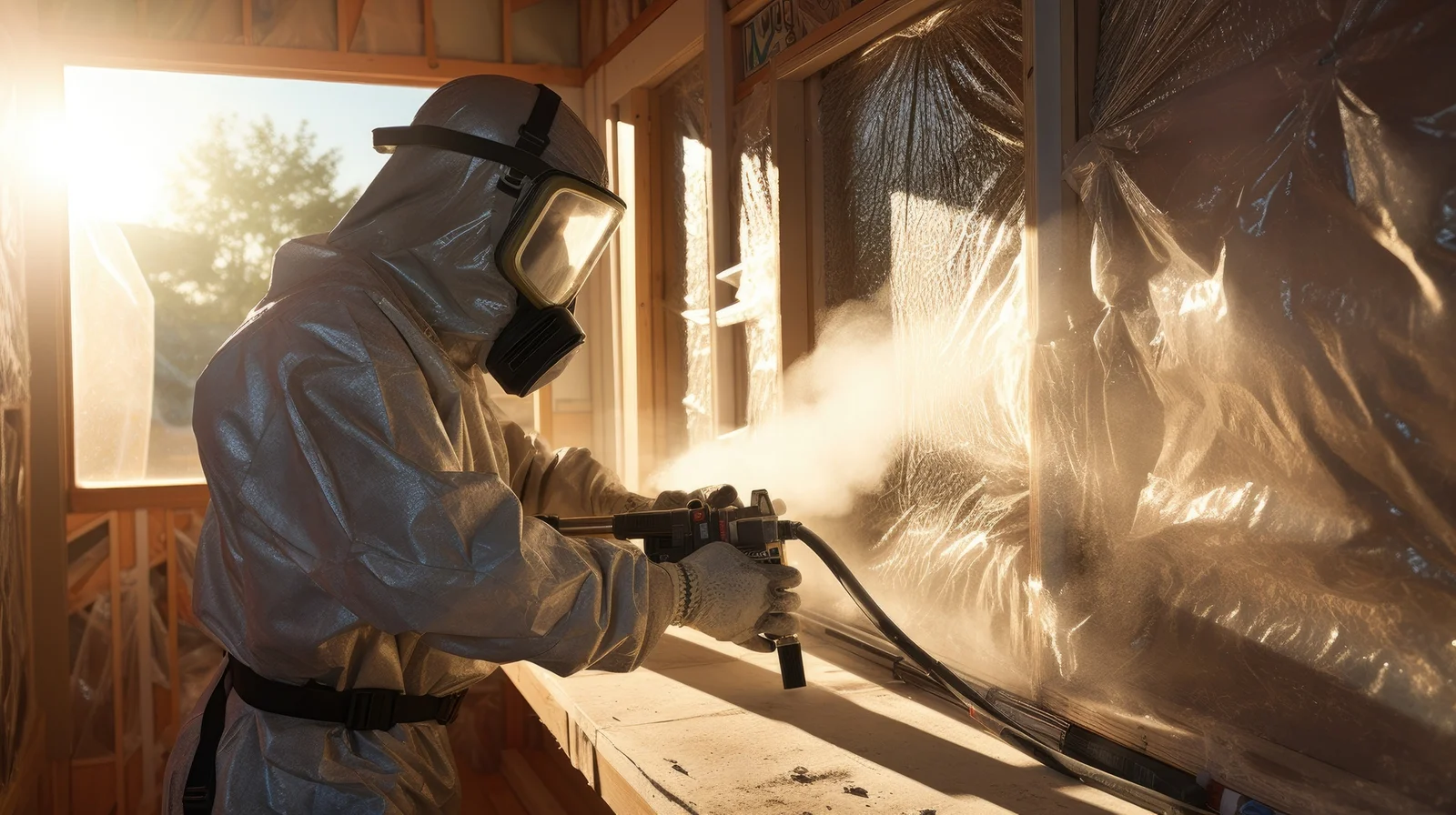
The definitive solution is to insulate the subfloor with closed-cell spray foam. This is a critical component of a full crawl space encapsulation.
Unlike open-cell foam used in attics, closed-cell foam is dense, rigid, and acts as a powerful vapor barrier. When applied to the underside of your floorboards and foundation walls, it completely locks out ground moisture and humid air. It doesn’t just insulate; it creates a clean, dry, and sealed foundation, safeguarding your home from the ground up. This is especially vital for protecting flood zone homes.
The Impact You’ll Notice
- Drastically Improved Air Quality: By eliminating the source of mold and mildew, you remove harmful spores from the air you breathe every day.
- Structural Protection: You protect your home’s wooden foundation from moisture damage and rot. This isn’t just an energy upgrade; it’s a critical investment in preserving your historic property.
- Pest Deterrent: Closed-cell spray foam is rigid and inedible. It creates a solid barrier that termites and other pests cannot chew through or easily bypass.
- Warmer Floors in Winter: It stops cold air from chilling your floors from below, making your home much more comfortable during those surprisingly cold Louisiana winter snaps.
The Verdict: So, Where Does Spray Foam Make the Biggest Impact?
The honest answer depends on your biggest pain point.
- For immediate relief from high AC bills and unbearable summer heat, the Attic is your target. It often provides the most noticeable and immediate return on investment in terms of comfort and energy savings.
- For the long-term health, structural integrity, and air quality of your home, the Crawl Space is arguably more critical. It addresses the foundational issues of moisture and rot that can cause catastrophic damage if ignored.
The Professional Answer: The “Whole Home” System
A house works as a system. The air you lose through the attic roof is often pulled up from the crawl space. Insulating just one area is a significant improvement, but treating both creates a truly high-performance, comfortable, and healthy home. The ultimate impact comes from addressing both the “lid” (attic) and the “foundation” (crawl space), creating a completely sealed and conditioned envelope.
Why Trust an Expert? The Sunlight Contractors Difference
Now that the “what” and “where” are clear, the “who” is the most important decision. You don’t trust the preservation of a historic home to just anyone.

We Understand Historic New Orleans Homes.
For over 18 years, Sunlight Contractors has served Louisiana. We aren’t a national chain; we’re local experts who know the unique challenges of pier-and-beam foundations, old-growth lumber, and the importance of preserving historical character. We don’t just spray foam; we perform a comprehensive assessment of the entire building envelope.
The Right Foam for the Right Job.
There is a science behind choosing between open-cell and closed-cell foam. Using the wrong one can trap moisture and create bigger problems. We have the certifications and experience to know exactly which product to use and where, ensuring your home is protected.
More Than Just Insulation.
Our extensive experience in foundation repair and damage restoration means we’ve seen the worst-case scenarios of what happens when crawl spaces are neglected. We don’t just offer a product; we provide a permanent solution to protect your investment. When you hire a licensed contractor like Sunlight, you’re hiring a team that understands the whole picture.
Take Control of Your Home’s Comfort and Health
Stop guessing where to start. Stop putting up with a home that’s uncomfortable and expensive to cool. Let an expert with nearly two decades of local experience give you a clear roadmap to a healthier, more efficient home.
Contact Sunlight Contractors today for a comprehensive home energy assessment. We’ll inspect your attic, crawl space, and everything in between to show you exactly where you can make the biggest impact.
Schedule Your Free Consultation
Call us today at (504) 222-2082 to speak with one of our specialists.