
What is the Best Type of Insulation for Cold Climates? (And Why It Matters in New Orleans)
When you think of a “cold climate,” New Orleans isn’t the first place that comes to mind. We’re known for sweltering heat, oppressive humidity, and festivals—not blizzards. But ask any local about those damp, bone-chilling cold snaps that hit in January, and you’ll get a different story. That’s when the flaws in our beautiful, historic, and often drafty homes become painfully obvious. For over 18 years, Sunlight Contractors has been inside these homes, solving the comfort and energy problems that plague Louisiana homeowners year-round. We know the truth: the principles of insulating for a cold climate are exactly what you need to survive a New Orleans summer.
The goal isn’t just to stop the cold. It’s to create a complete thermal and air barrier around your home. This barrier works both ways—it keeps frigid winter air out, and it keeps expensive air conditioning in during the summer. It’s about taking control of your home’s environment, no matter what the weather decides to do.
Key Takeaways
- Air Sealing is the Real Goal: For New Orleans homes, stopping uncontrolled air leakage is more critical than simply adding R-value. Drafts are the primary source of high energy bills and discomfort in both winter and summer.
- Moisture is the Enemy: Our humid climate means that any insulation solution must also be a moisture solution. Air leaks bring in humid air, which can lead to mold, mildew, and structural rot.
- Spray Foam is the Superior Solution: While blown-in insulation is a significant upgrade, spray foam insulation provides an all-in-one air, thermal, and moisture barrier, making it the definitive best choice for Louisiana’s unique climate challenges.
- Installation is Everything: The performance of any insulation material is entirely dependent on the quality of the installation. A certified, experienced contractor is non-negotiable.
The Real Enemy in Louisiana Homes: Air Leakage and Moisture
Before we talk about insulation types, let’s be clear about the actual problems in most Louisiana homes. The issue isn’t just a lack of insulation; it’s a lack of control over your home’s building envelope.
Pain Point 1: Drafts & High Bills
Air leaks are the single biggest energy wasters in a home. According to the U.S. Department of Energy, air leakage can account for 25% to 40% of the energy used for heating and cooling in a typical home. In the older housing stock of New Orleans, that number can be even higher. Gaps in your attic, unsealed penetrations around pipes and wires, and poorly insulated crawlspaces create a highway for outside air to get in and your conditioned air to get out. This is why your heater runs constantly on a 40-degree day and your AC can’t keep up in July.
Pain Point 2: The Humidity Problem
That same uncontrolled air movement doesn’t just carry temperature—it carries moisture. In South Louisiana, that means gallons of airborne water are infiltrating your home every day. This excessive humidity forces your air conditioner to work overtime, not just cooling the air but also trying to dehumidify it. More importantly, this moisture gets trapped in your walls, attic, and crawl space, creating the perfect breeding ground for mold, mildew, and rot. It degrades your indoor air quality and can lead to serious structural damage.
The connection is simple: an insulation solution that doesn’t stop air leakage is not a solution at all. To truly fix the comfort and moisture problems in a New Orleans home, you must create an effective air seal.
Evaluating the Top Insulation Types for Louisiana’s Climate
Let’s look at the main contenders. Many homes are filled with traditional fiberglass batts. While better than nothing, these batts do not stop air movement. Air flows freely through and around them, rendering their R-value almost meaningless in the face of drafts. That’s why we focus on modern solutions that actually solve the core problem.
The All-in-One Solution: Spray Foam Insulation
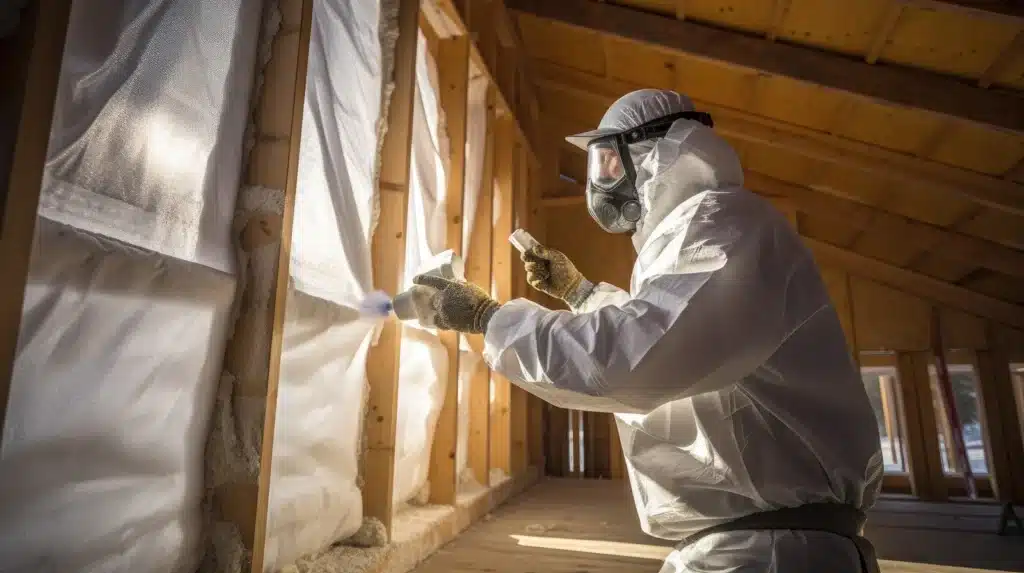
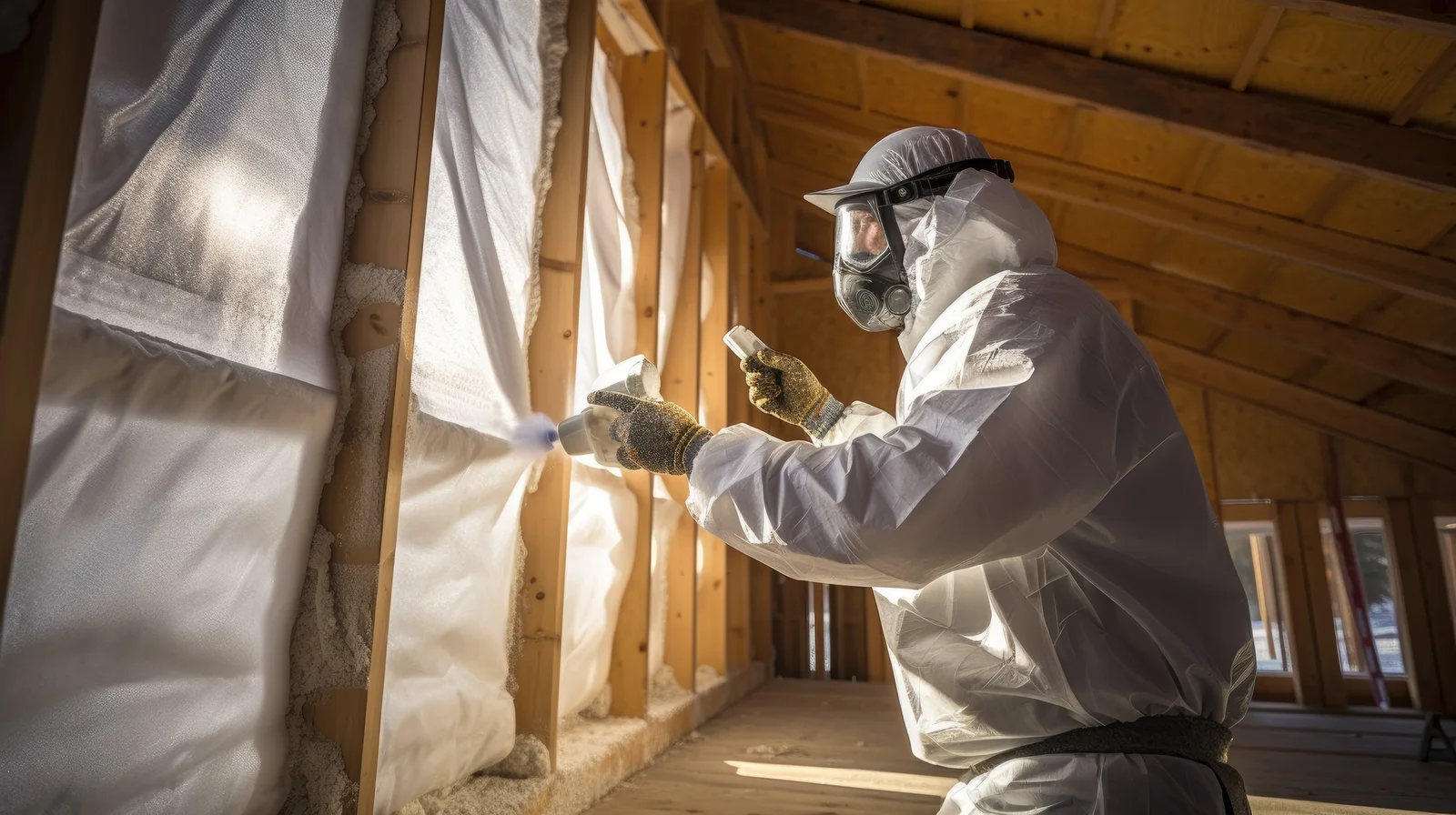
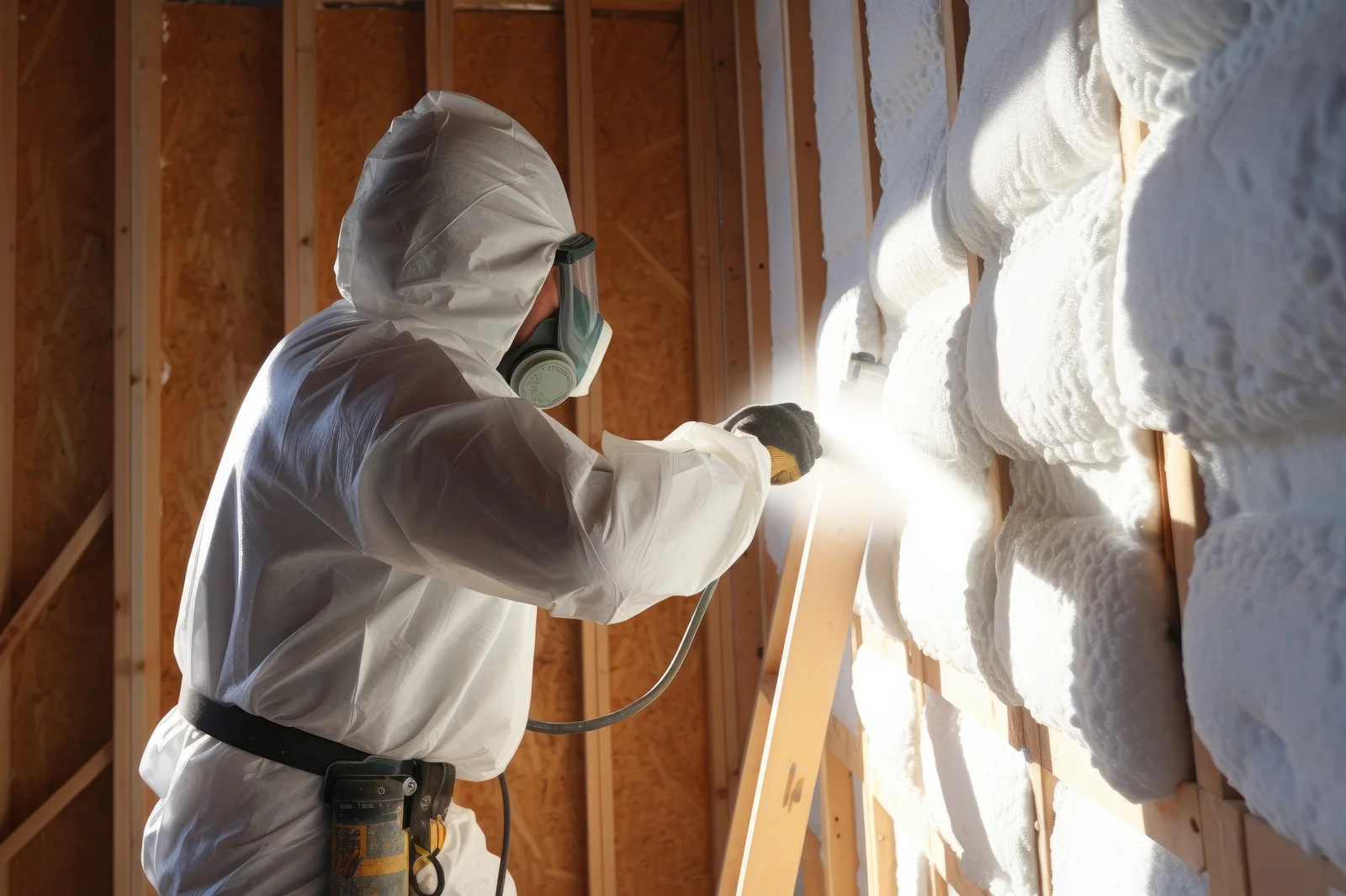
Spray polyurethane foam (SPF) is the gold standard for a reason. Applied as a liquid, it expands on contact to fill every single crack, crevice, and gap, creating a seamless and continuous barrier. There are two main types: open-cell and closed-cell spray foam.
- Key Benefit 1: The Unbeatable Air Seal: This is spray foam’s greatest strength. It doesn’t just insulate; it creates a monolithic air barrier. By adhering directly to the structure, it eliminates the drafts that plague older homes. This directly attacks the primary source of energy loss and discomfort.
- Key Benefit 2: Superior Moisture Barrier: Closed-cell spray foam is a true game-changer for our climate. It is so dense that it acts as a vapor barrier, blocking the movement of airborne moisture. When applied in a crawl space or on the underside of a roof deck, it can stop humidity in its tracks, protecting your home from mold and rot. This is a critical feature that other insulation types simply can’t match.
- Key Benefit 3: High R-Value & Structural Strength: Closed-cell spray foam boasts a very high R-value per inch (around R-6 to R-7), meaning you get maximum insulating power in a small space. Its rigid, dense nature also adds significant structural strength to walls and roof decks—a valuable benefit in a region prone to high winds.
Best For: Attics, crawlspaces, new construction, and any homeowner looking for the most comprehensive, permanent solution to high energy bills, comfort issues, and moisture control.
The Powerful Upgrade: Blown-In Insulation
Blown-in insulation, typically made of fiberglass or cellulose, is another excellent option. It involves using a specialized hose to blow loose-fill material into cavities, most commonly attic floors.
- Key Benefit 1: Excellent Coverage: The blowing process allows the material to flow into and around obstacles like trusses, pipes, and wiring, creating a much more complete blanket of insulation than traditional batts. It’s fantastic for topping up old, compressed insulation in an attic to bring it up to modern standards.
- Key Benefit 2: Good R-Value & Cost-Effectiveness: Blown-in insulation provides a good R-value (around R-3 to R-4 per inch) and is a very cost-effective way to make a massive improvement in your home’s energy efficiency. For many homeowners, it represents the best bang-for-your-buck upgrade.
- Key Benefit 3: Quick Installation: Insulating an entire attic with blown-in material can often be done in just a few hours with minimal disruption to your home. It can also be dense-packed into existing, finished wall cavities to add insulation where there was none before.
Best For: Topping up existing attic insulation, insulating finished walls, and for budget-conscious homeowners who want a major performance boost over their current situation.

So, What is the Best Type of Insulation for a New Orleans Home?
While both options are a massive leap forward from outdated insulation, when you look at the specific challenges of our climate, a clear winner emerges.
| Feature | Spray Foam Insulation | Blown-In Insulation |
|---|---|---|
| Air Sealing | Excellent (Creates a monolithic air barrier) | Good (Fills cavities but does not adhere to stop all air) |
| Moisture Control | Excellent (Closed-cell acts as a vapor barrier) | Fair (Can hold moisture if air leaks aren’t addressed) |
| R-Value per Inch | Excellent (Up to R-7 for closed-cell) | Good (R-3 to R-4) |
| Application Versatility | Attics, walls, crawlspaces, new construction | Primarily attic top-ups, existing walls |
| Overall Performance | Winner | Excellent Upgrade |
The Verdict: While blown-in insulation is a fantastic and highly effective choice, spray foam insulation is the definitive “best” type for handling the unique combination of cold snaps, intense heat, and oppressive humidity found in New Orleans. Its ability to provide a perfect air seal and a robust moisture barrier in a single application is unmatched.
Why Your Contractor Matters More Than the Material
You can buy the best materials in the world, but they will fail if installed incorrectly. This is especially true for spray foam insulation. The temperature, humidity, and substrate conditions must be perfect, and the technician must apply it with precision to achieve the desired thickness and performance. A botched job can lead to poor performance, off-gassing issues, and a waste of money.
This is where experience is not just a benefit—it’s a requirement. For over 18 years, Sunlight Contractors has been the trusted local expert for Louisiana homeowners and businesses. We don’t just sell insulation; we provide comprehensive building performance solutions. We understand the unique challenges of our local architecture, from historic homes in the French Quarter to raised houses in Metairie and new construction on the Northshore.
We specialize in spray foam and blown-in insulation because we know they deliver the best results for our climate. Our BPI (Building Performance Institute) certified technicians ensure a perfect application every time, backed by diagnostic tools like blower door tests to verify the results. Don’t trust your home’s comfort and safety to an unqualified installer.
Take Control of Your Comfort and Your Energy Bills Today
Stop putting up with a home that’s drafty in the winter and impossible to cool in the summer. The right insulation system, installed by true professionals, will save you money on energy bills, dramatically improve your year-round comfort, and protect your home from the constant threat of moisture damage.
Stop guessing and start saving. Contact the experts at Sunlight Contractors today for a free, no-obligation consultation. Let us show you how to make your home more comfortable, healthy, and efficient.
- Schedule your home energy audit and find out exactly where your home is losing money.
- Call us at (504) 222-2082 or fill out our online form to get your free estimate!