

A Homeowner’s Guide to Understanding Insulation R-Value for Maximum Winter Comfort in New Orleans
Let’s be honest. A New Orleans winter isn’t about blizzards or snow days. It’s about a damp, bone-chilling cold that seeps through the walls of our historic homes, settles in our bones, and sends our energy bills through the roof. You know the feeling: you crank up the heat, but there’s still a persistent draft coming from the floorboards or a clammy chill in the air that your furnace just can’t seem to beat.
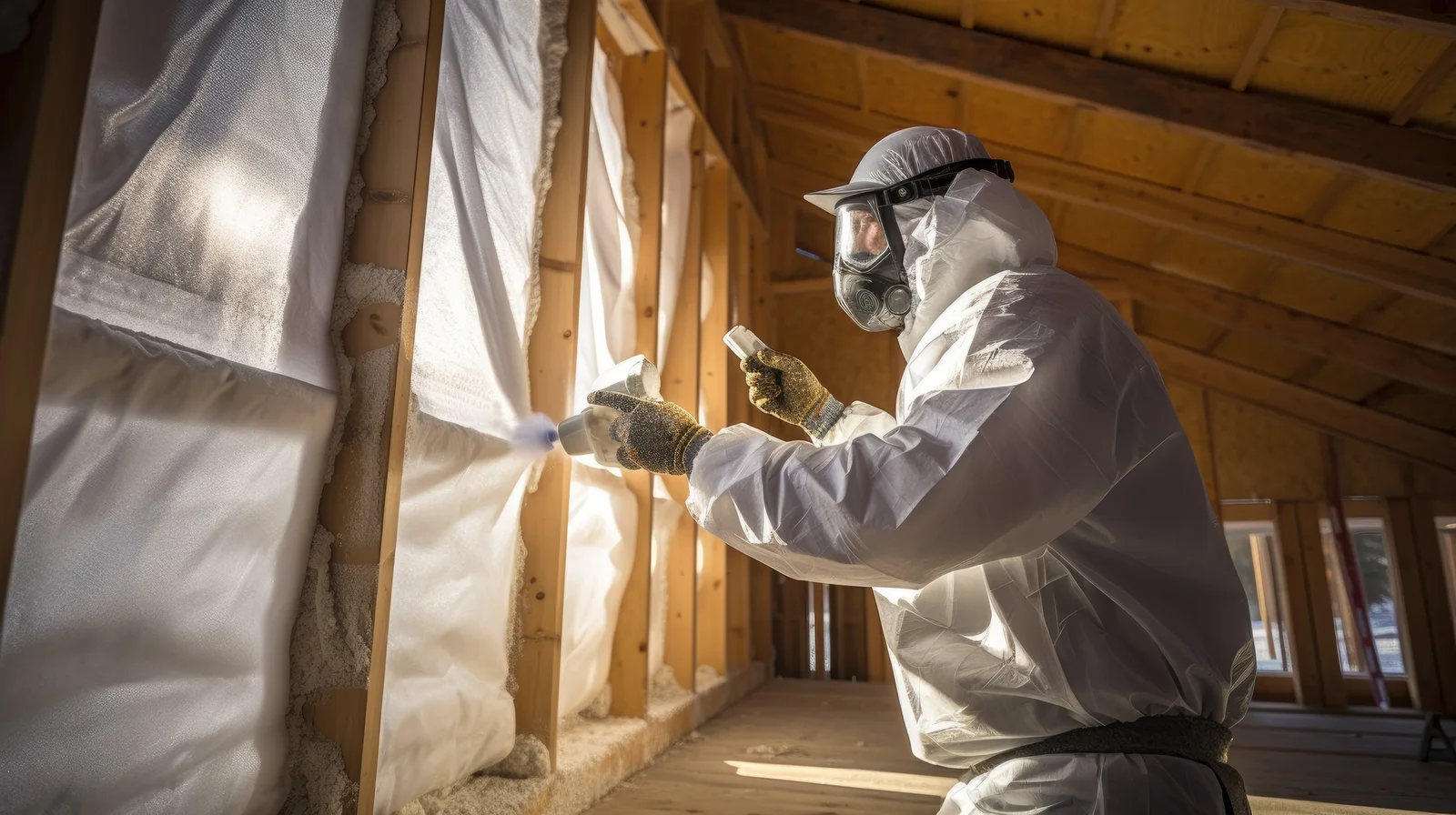
High energy bills, uncomfortable drafts, and a constant feeling of dampness are problems we hear about every day from New Orleans homeowners. The issue is especially common in the older housing stock that gives our city its character. The solution isn’t a bigger heater or thicker socks. The key to achieving true, lasting winter comfort lies in understanding and optimizing your home’s insulation, and that starts with a concept called R-value.
For over 18 years, Sunlight Contractors has been solving the unique insulation and moisture challenges of Louisiana homes. This guide will demystify insulation R-value and show you how to choose the right strategy to keep your New Orleans home warm, dry, and energy-efficient all winter long—and cool and comfortable during our brutal summers.
Key Takeaways
- R-Value is Resistance: R-value measures an insulation material’s ability to resist heat flow. The higher the R-value, the better it insulates.
- Air Sealing is Crucial: In our humid climate, a high R-value is useless without a proper air seal. Air leaks are what cause drafts and allow damp, mold-promoting air into your home.
- Spray Foam is the Superior Solution: Modern materials like spray foam insulation provide both a high R-value and a complete air and moisture seal, making it the ideal choice for New Orleans homes.
- Focus on the Attic First: Since heat rises, your attic is the number one source of heat loss. Insulating it properly to a recommended R-value of R30 to R60 provides the biggest return on your investment.
What is Insulation R-Value and Why Does It Matter in Louisiana?
You see the term “R-value” on insulation packaging, but what does it actually mean for your home? It’s the most critical number to understand when you want to stop fighting your thermostat.
The Simple Definition: Understanding R-Value
R-value is a measurement of thermal resistance. In plain English, it indicates how well a material can stop heat from moving through it. Think of it like the SPF of your home’s “sunscreen.” In the winter, it blocks heat from escaping your home. In the summer, it blocks the sun’s heat from getting in.
The key takeaway is simple: The higher the R-value, the greater the insulating power. A wall with R-15 insulation will resist heat flow better than a wall with R-11. It’s a direct measure of performance, and understanding the R-value of spray foam and other materials is the first step to a more comfortable home.
Why R-Value is a Year-Round Hero for Your Energy Bills
While we’re focused on winter comfort now, the beauty of proper insulation is that it works for you 365 days a year.

In the winter, a high R-value in your attic and walls keeps the expensive warm air generated by your furnace inside your living space, where it belongs. Your heating system runs less often, saving you significant money.
But let’s face it, our primary battle is with summer heat and humidity. That same high R-value insulation becomes your primary defense against the oppressive Louisiana summer, keeping the extreme heat and moisture outside. This directly translates to lower air conditioning usage and substantial savings on your utility bills year-round. If you’re constantly dealing with high energy bills, inadequate insulation is almost always the primary culprit.
Beyond the Numbers: Why R-Value Isn’t the Whole Story in New Orleans
Here’s where many homeowners make a mistake. They focus only on the R-value number and ignore an equally important factor, especially in our climate: air leakage. A high R-value is meaningless if your home’s building envelope is full of holes.
The “Sweater vs. Windbreaker” Problem
This is the best way to understand the difference.
- Traditional insulation, like fiberglass batts, is like a wool sweater. It has insulating properties (R-value) and can keep you warm if the air is still.
- However, if a cold wind blows, it cuts right through the sweater, and you feel cold again. That wind is like the air leaks in your home.
Spray foam insulation, on the other hand, acts as both the sweater and a windbreaker. It not only has a high R-value but also expands to fill every crack and crevice, creating an airtight seal that stops air flow completely. It addresses both parts of the comfort equation.
Air Leaks: The Hidden Comfort Killers in NOLA Homes
Our beautiful, older homes are notoriously leaky. This constant air exchange is why you feel drafts and why your HVAC system never seems to catch a break. These leaks not only make you uncomfortable but also allow humid air to infiltrate your home, contributing to that damp, chilly feeling and creating a serious risk for mold and mildew.
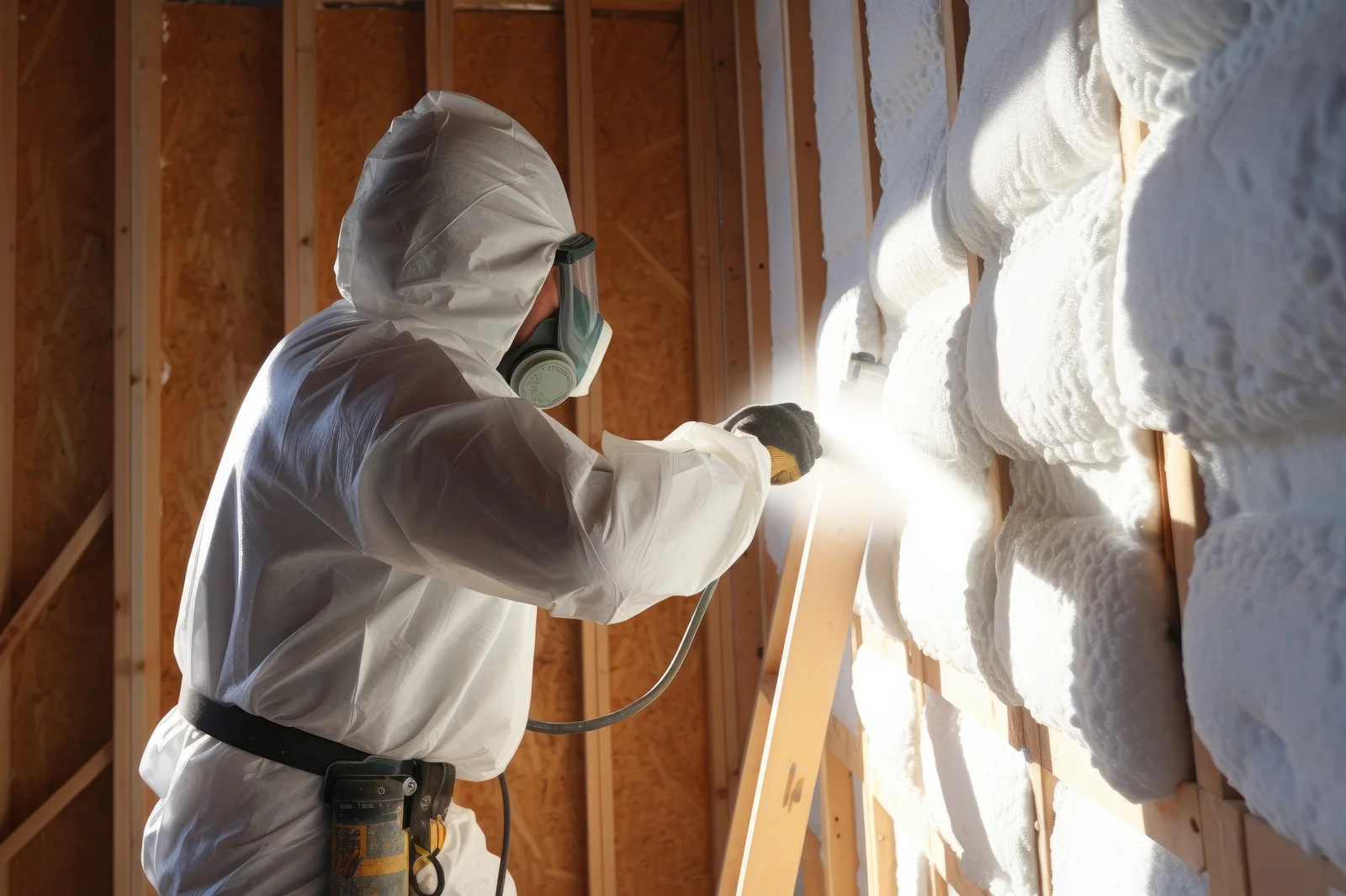
Common sources of air leaks in New Orleans homes include:
- Attics and uninsulated knee walls in upstairs rooms.
- Raised foundations and drafty, unsealed crawl spaces.
- Gaps around old windows, doors, and plumbing penetrations.
- Recessed “can” lighting fixtures in the ceiling.
- Electrical outlets and switch plates on exterior walls.
A Homeowner’s Guide to Insulation Types for Our Climate
Choosing the right material is critical. What works in a dry, northern climate is often a poor choice for our heat and humidity.
| Feature | Fiberglass Batts | Blown-In Insulation | Closed-Cell Spray Foam |
|---|---|---|---|
| Air Sealing | Poor | Fair | Excellent |
| Moisture Barrier | No (can absorb) | Poor | Excellent |
| R-Value per Inch | ~R-3.5 | ~R-3.7 (Cellulose) | ~R-7.0 |
| Pest Deterrent | No (can be nested in) | Good (borate treated) | Excellent |
| Structural Strength | None | None | Adds Rigidity |
The Old Standard: Fiberglass Batts
- Pros: It has a low upfront cost.
- Cons (Tailored to NOLA): This is where fiberglass fails our homeowners. It does nothing to stop air leakage. Worse, it can act like a sponge in our humid air, absorbing moisture which drastically reduces its R-value and promotes dangerous mold growth. Over time, it sags and pulls away from framing, creating gaps where energy escapes. Finally, it makes a comfortable nesting ground for pests. Frankly, spray foam is better than batt insulation in nearly every metric that matters in Louisiana.
The Smart Upgrade: Blown-In Insulation
Blown-in insulation, which consists of cellulose or fiberglass particles, is a significant step up from batts. It’s blown into attics or wall cavities, allowing it to conform to irregular spaces and fill gaps much more effectively. This makes it a good choice for improving the insulation in older homes with non-standard framing, as it creates a much tighter fit than pre-cut batts.
The Ultimate Solution for Maximum Comfort: Spray Foam Insulation
This is the core of modern building science and the best investment for a Louisiana home.
- Open-Cell Spray Foam: This foam is lighter, less dense, and has a sponge-like texture. It’s an excellent air sealer and provides great soundproofing, making it ideal for use in interior walls.
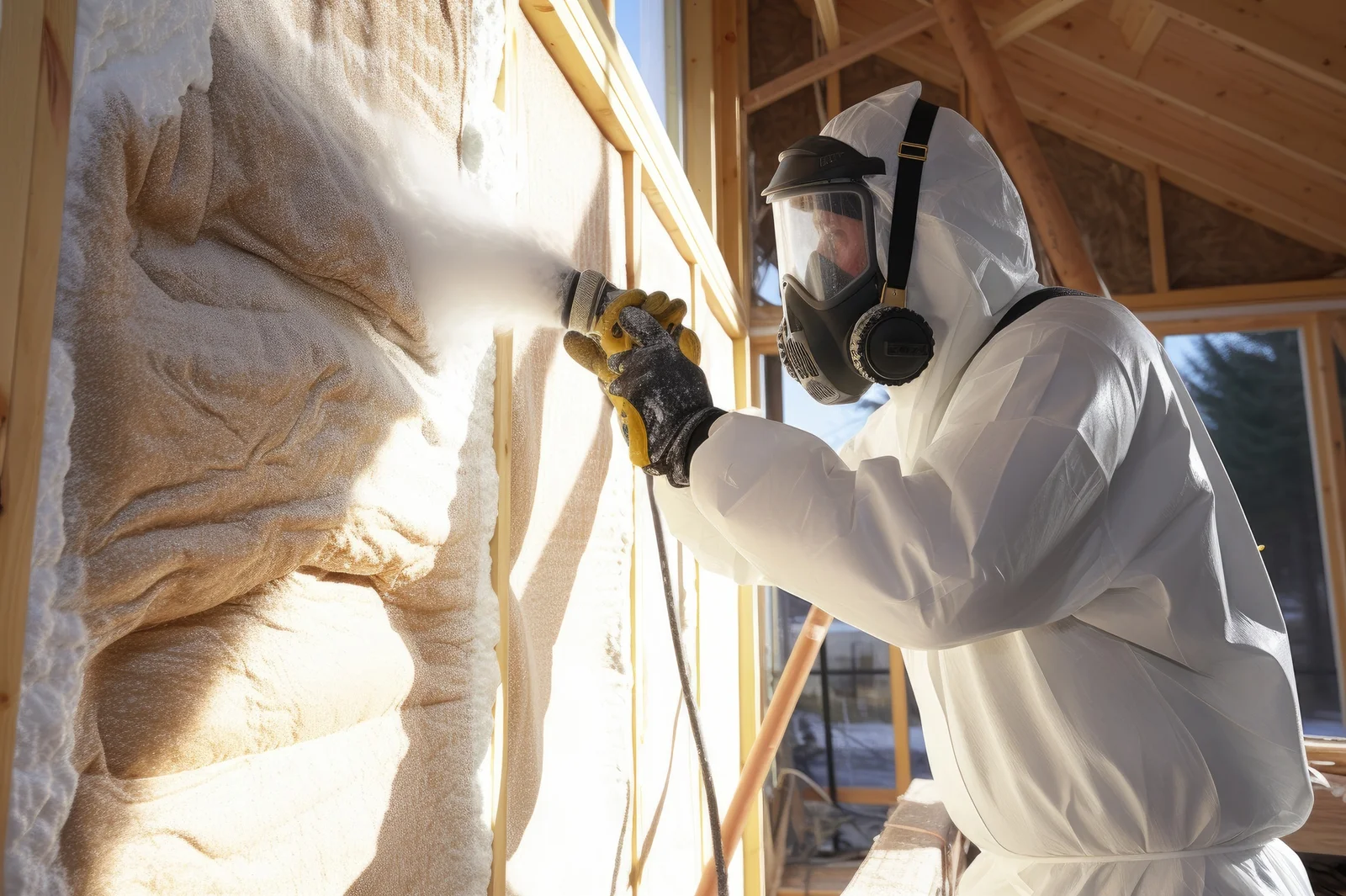
- Closed-Cell Spray Foam: This is the powerhouse solution for our climate. It’s a dense, rigid foam with the highest R-value per inch (around R-7). When cured, it creates a complete air and moisture barrier, locking out the humidity that plagues our homes. It also adds structural strength to the building assembly and is a powerful pest deterrent.
For New Orleans, the ability of closed-cell spray foam to completely seal attics and crawl spaces is a game-changer. It stops drafts, locks out humidity, and provides unmatched thermal performance against both winter cold and summer heat.
What R-Value Should Your New Orleans Home Have?
To get the best results, you need to have the right amount of insulation in the right places. The U.S. Department of Energy provides clear recommendations based on climate zones. New Orleans is in Marine Zone 2.
Your Attic: The Most Important Place to Insulate
Heat rises. This simple fact means your attic is the single biggest source of heat loss in the winter and heat gain in the summer. If you insulate only one area of your home, make it the attic.
- Recommendation for Zone 2: The U.S. Department of Energy recommends R30 to R60 for an uninsulated attic.
Walls, Floors, and Crawl Spaces
These areas are the next line of defense for creating a comfortable home.
- Walls: Recommended R-value is R13 to R15.
- Floors & Crawl Spaces: Recommended R-value is R19. This is especially critical for the thousands of raised homes in New Orleans. Insulating the floor above a damp, musty crawl space with a moisture-impermeable insulation like closed-cell spray foam is the only way to stop cold floors, prevent moisture intrusion, and eliminate musty odors. Properly insulating your crawl space is a non-negotiable step for comfort and health.
Achieve Maximum Winter Comfort with the Local Experts
Your Home, Our Expertise
Let’s recap. A high R-value is your goal, but you can’t achieve true comfort or energy efficiency without creating an airtight seal. That’s a performance level that only modern insulation systems like spray foam and professionally installed blown-in insulation can provide.
For over 18 years, Sunlight Contractors has specialized in solving the unique insulation challenges of Louisiana homes. We understand our climate, our architecture, and the science behind home performance. We don’t just sell insulation; we engineer a complete performance system for your home, diagnosing issues from foundation to roof and providing solutions that last.
Take the First Step to a Cozier Home
Stop putting up with another damp, drafty winter and shocking summer utility bills. It’s time to invest in your comfort and lower your energy costs for good.
Contact Sunlight Contractors today for a comprehensive home energy assessment. Our BPI-certified experts will use diagnostic tools to pinpoint your home’s weaknesses and recommend the perfect insulation solution for your needs and budget.
- Call us at (504) 222-2082
- Request Your Free Estimate Online