
Spray Foam vs. Fiberglass in Louisiana: A 2026 Cost and Performance Breakdown
Living in New Orleans isn’t for the faint of heart. You battle relentless humidity, blistering summer heat, and the constant threat of hurricane season. Your home’s insulation is your first and most important line of defense. But is the traditional fiberglass batt still up to the task? Let’s be blunt: for many Louisiana homes, the answer is a hard no.

Many homes in our region are under-insulated or rely on outdated materials that are actively failing against our unique climate challenges. This leads directly to sky-high energy bills, persistent moisture problems, and a constant state of discomfort. This guide provides a forward-looking breakdown for 2026 of the two leading insulation choices—spray foam and fiberglass—to help New Orleans homeowners and contractors make the most informed, cost-effective decision for long-term performance.
For over 18 years, Sunlight Contractors has been on the front lines, protecting Louisiana homes from the elements. We’re not just installers; we’re building performance specialists with deep expertise in spray foam insulation, damage restoration, and foundation repair. We understand what it takes for a building to survive and thrive here.
Key Takeaways
- Performance is Paramount: In Louisiana’s climate, spray foam insulation decisively outperforms fiberglass in moisture control, air sealing, and durability, which are critical for comfort and structural integrity.
- Cost vs. Value: While fiberglass has a lower upfront cost, spray foam provides a superior long-term return on investment (ROI) through significant energy savings (30-50%), enhanced home value, and avoidance of costly moisture and pest-related repairs.
- Moisture is the Enemy: Fiberglass absorbs moisture like a sponge, promoting mold and losing its insulating ability. Closed-cell spray foam acts as a vapor barrier, actively blocking moisture intrusion—a non-negotiable benefit in New Orleans.
- Installation is Not a DIY Job: The performance of any insulation, especially spray foam, depends entirely on the quality of the installation. Hiring a certified, experienced contractor is essential to realize the benefits and ensure safety.
The Louisiana Gauntlet: Why Standard Insulation Often Fails Here
To understand the insulation battle, you first have to understand the enemy. The New Orleans climate is a relentless assault on a home’s building envelope. Choosing the right insulation isn’t a luxury; it’s a strategic necessity.
The Humidity & Moisture Battle
Louisiana’s air is thick with moisture. This high humidity constantly seeks a way into your home, where it condenses on cooler surfaces inside walls and attics. This creates the perfect breeding ground for mold and mildew, which can cause serious health issues and structural rot. Worse, moisture degrades the R-value of certain insulation types, making them less effective when you need them most. This is why effective dehumidification and insulation are a package deal here.
The War on Heat & Energy Bills
The cooling load on HVAC systems in our region is massive. For much of the year, your air conditioner runs constantly to fight the oppressive heat. The biggest driver of an overworked AC and sky-high Entergy bills isn’t just the temperature—it’s air leakage. Every gap, crack, and seam in your home allows hot, humid air to infiltrate, forcing your system to work harder and longer. Sealing these air leaks is the first step to getting control of your energy costs.
Hurricane Resilience & Structural Integrity
Hurricane season is a fact of life. Homes need to be built with materials that can withstand high winds and resist catastrophic water intrusion during severe weather. Insulation can play a surprising role here. Some materials add significant structural rigidity, effectively gluing the building components together, while others offer no structural benefit at all and can become a waterlogged mess after a storm. Building beyond the storm requires a holistic approach, starting with the building envelope.
Pests, Allergens, and Air Quality
Termites, roaches, and rodents love the dark, undisturbed cavities in your walls. Certain types of insulation provide a perfect, fluffy nesting ground for these pests. Furthermore, a poorly sealed home allows outdoor allergens like pollen and pollutants to be pulled inside, degrading your indoor air quality and aggravating allergies and asthma.
The Contenders: A Deep Dive into Fiberglass and Spray Foam
Now that we’ve defined the battlefield, let’s look at the combatants.
Fiberglass Insulation: The Old Standard
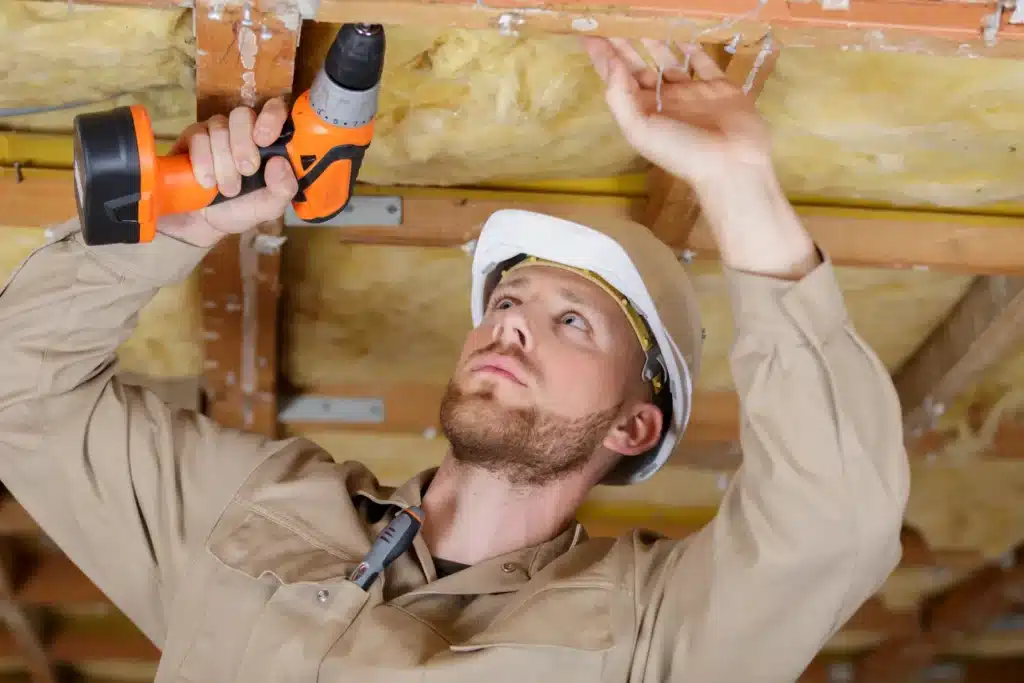
What It Is: Fiberglass is made of extremely fine strands of glass woven into batts or blankets, or used as a loose, blown-in insulation material.
How It Works: It works by trapping pockets of air, which slows the process of heat transfer (conduction). It’s essentially like putting a sweater on your house.
Performance in Louisiana (The Pros & Cons):
- Pros: The primary advantage of fiberglass is its low upfront material cost. It’s widely available and has been the default choice for decades.
- Cons (Crucial for NOLA):
- Acts like a sponge. Fiberglass readily absorbs and holds moisture from our humid air. This drastically reduces its R-value and promotes the growth of mold and mildew inside your walls.
- Loses R-value. When it gets wet or compressed during a faulty installation, its insulating power plummets.
- Does not stop air leakage. This is its single biggest failure. Air moves freely through fiberglass batts, carrying heat, moisture, and allergens with it. It does nothing to address the biggest source of energy loss.
- A haven for pests. Rodents and insects can easily tunnel through and nest in fiberglass, creating highways for infestation throughout your home.
- Sags over time. Gravity is not kind to fiberglass batts. They can sag, slump, and pull away from studs, creating gaps that allow for massive thermal bridging (uninsulated spots).
Spray Foam Insulation: The Modern Solution
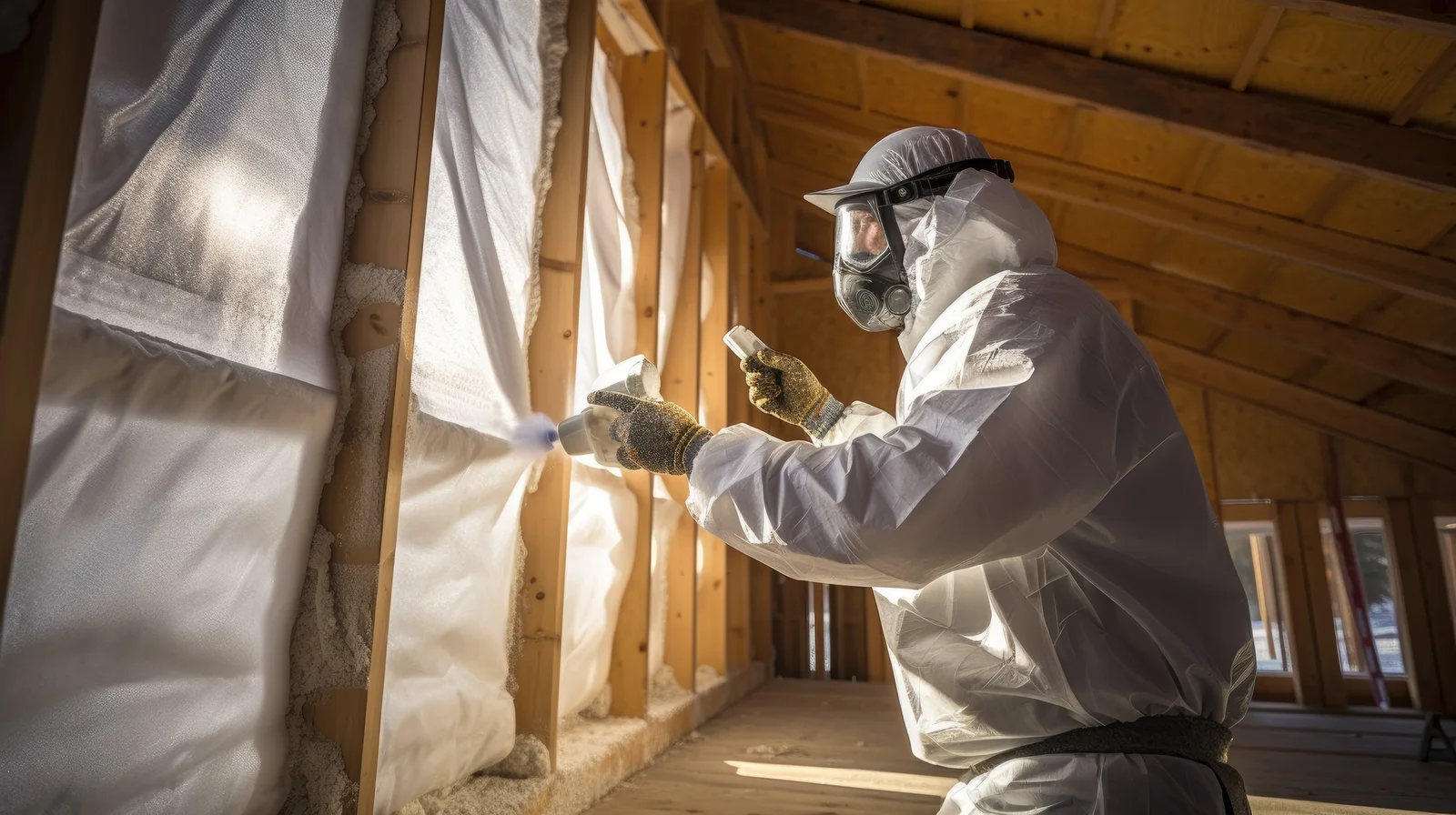
What It Is: Spray Polyurethane Foam (SPF) is a two-part liquid polymer that is sprayed into place. It expands on contact to create a solid, seamless, and continuous insulation barrier.
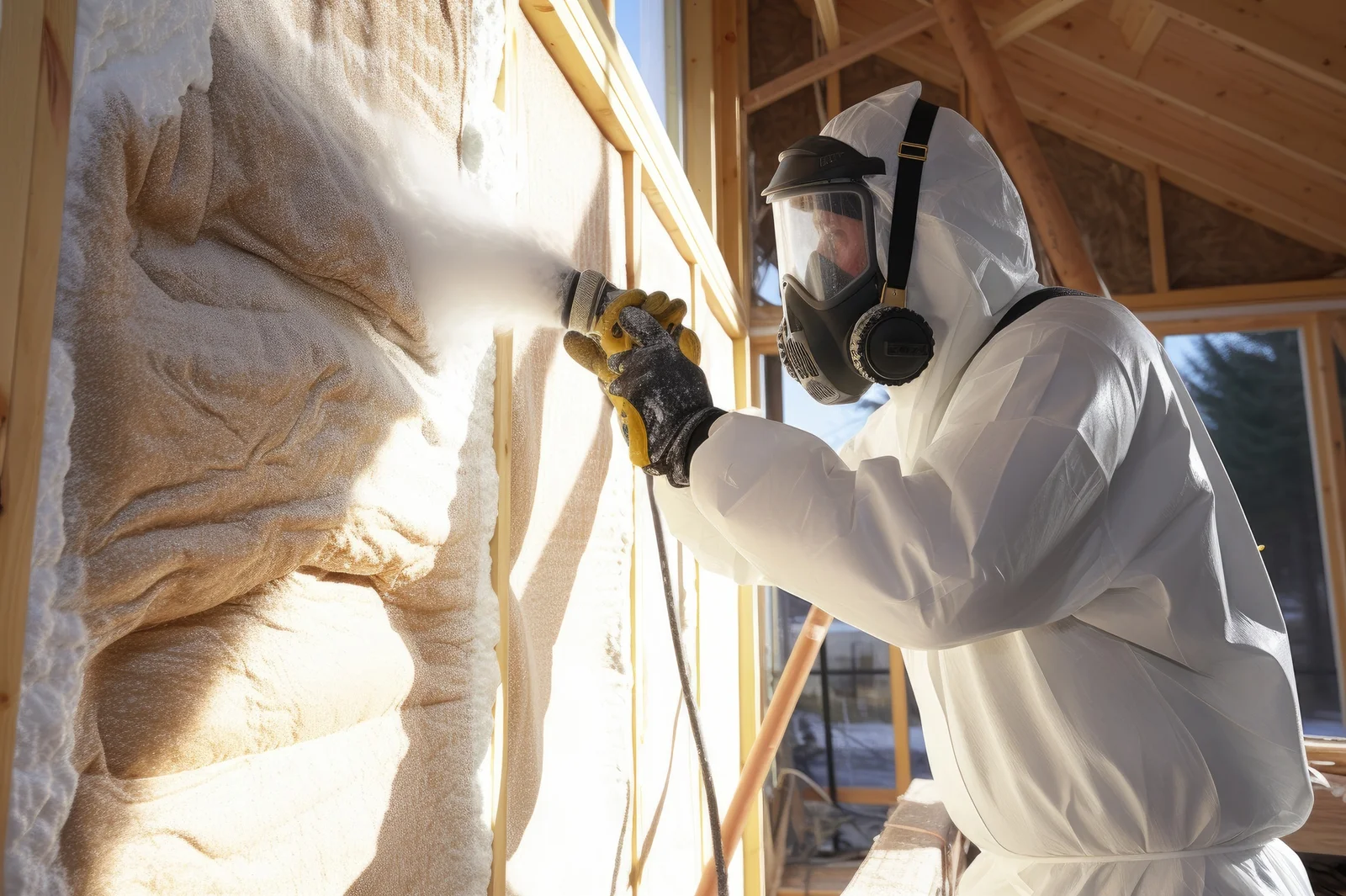
How It Works: It creates a rigid (closed-cell) or semi-rigid (open-cell) foam that stops heat transfer not only through conduction but also, critically, through air movement (convection). It’s both a sweater and a windbreaker for your house.
Performance in Louisiana (The Pros & Cons):
- Pros (Directly address LA pain points):
- Superior Air Seal: Spray foam acts as an all-in-one insulator and air barrier. By sealing every crack and crevice, it can drastically reduce air leakage, which is the primary cause of high energy bills in Louisiana.
- Moisture Barrier: Closed-cell spray foam is impermeable to water. It qualifies as a FEMA-approved flood-resistant material and acts as a vapor barrier, blocking moisture from entering your wall cavities and preventing mold growth. This is a game-changer for Louisiana homeowners battling moisture.
- Structural Strength: Closed-cell spray foam adheres to surfaces and cures into a rigid solid, adding significant structural strength to walls and roof decks. This can increase a building’s racking strength, a key benefit during hurricane season.
- Pest Deterrent: The solid, dense nature of spray foam creates a barrier that pests cannot easily chew through or nest in.
- Longevity: Spray foam does not sag, settle, or degrade over time. It maintains its performance for the life of the building, providing consistent protection.
- Cons: The primary drawback is a higher upfront investment. It also requires certified professional installation—this is not a weakness but a critical safety and performance requirement. A botched DIY job can be a disaster.
The 2026 Head-to-Head Breakdown: Cost vs. Performance
When you look at the raw numbers and long-term value, the choice becomes clear.
Performance Matrix for a New Orleans Home
| Feature | Fiberglass Insulation | Spray Foam Insulation | The Louisiana Winner |
|---|---|---|---|
| R-Value per Inch | ~R-3.5 | ~R-3.8 (Open-Cell) to ~R-7 (Closed-Cell) | Spray Foam |
| Air Sealing | Poor (Air Permeable) | Excellent (Air Impermeable) | Spray Foam |
| Moisture Control | Poor (Absorbs Water) | Excellent (Closed-Cell is a Vapor Barrier) | Spray Foam |
| Hurricane Resilience | None | Good (Adds Structural Rigidity) | Spray Foam |
| Pest Resistance | Poor | Excellent | Spray Foam |
| Longevity | Fair (Degrades/Settles) | Excellent (Lasts Life of Building) | Spray Foam |
| Soundproofing | Fair | Good to Excellent | Spray Foam |
The 2026 Cost Analysis: Upfront Price vs. Lifetime Value
The conversation about cost must go beyond the initial price tag.
-
Projected Upfront Cost:
- Fiberglass: By 2026, expect professional installation costs to range from $1.50 – $3.00 per square foot, depending on the application and R-value.
- Spray Foam: The projected cost for professionally installed spray foam will likely be in the $4.00 – $7.00 per square foot range, depending on whether it’s open-cell or closed-cell and the thickness required. Yes, it’s a significant investment.
-
The Real Cost: Calculating Your Return on Investment (ROI)
This is where the numbers flip. The higher upfront cost of spray foam is an investment that pays you back.
- Energy Savings: The superior air sealing of spray foam can lead to energy savings of 30-50% on monthly heating and cooling costs. According to the U.S. Department of Energy, air leakage can account for up to 40% of a home’s energy loss. The insulation starts paying you back immediately on your first Entergy bill.
- HVAC Longevity: A properly sealed and insulated home means your AC unit doesn’t have to run constantly. This reduces wear and tear, extending its lifespan and delaying a costly replacement by years.
- Avoiding Future Costs: This is the hidden value. How much does professional mold remediation cost? What is the price of repairing rotted subfloors or framing damaged by moisture? Because closed-cell spray foam blocks moisture, it helps you avoid these catastrophic, expensive repairs—a core part of our damage restoration work at Sunlight Contractors.
- Home Value: A home insulated with high-performance spray foam is quieter, more comfortable, healthier, and cheaper to operate. This makes it significantly more attractive to potential buyers and can increase your home’s resale value.

Why the Installer Matters More Than the Material: The Sunlight Contractors Advantage
You can buy the best material in the world, but if it’s installed incorrectly, it will fail. This is especially true for spray foam. The choice of contractor is the most critical decision you’ll make.
We Understand Louisiana’s Unique Buildings
For over 18 years, we’ve worked on every type of building in this state, from historic homes in the French Quarter to raised pier-and-beam foundations on the Northshore and new constructions in Baton Rouge. We know the unique challenges our housing stock presents and that a one-size-fits-all approach doesn’t work here.
A Whole-Home Approach, Not Just a Product
We’re not just spray foam installers; we’re building performance specialists. Our extensive experience in damage restoration, foundation repair, and soundproofing means we diagnose the root cause of your home’s issues—we don’t just cover them up. When we perform a home energy assessment, we’re looking at the entire system to provide a solution that lasts.
Certified, Insured, and Committed to Louisiana
Proper spray foam installation requires a deep understanding of building science, safety protocols, and application techniques. Our technicians are certified, insured, and dedicated to their craft. With over 18 years of local service, we’ve built a reputation for trust and longevity because we stand behind our work.
The Smartest Investment for Your New Orleans Home in 2026 and Beyond
The data is clear. While fiberglass remains a cheaper option upfront, its performance failures in the face of Louisiana’s heat, humidity, and storms make it a poor long-term choice. Spray foam insulation is the undisputed winner for performance, longevity, and lifetime value in our demanding climate.
Viewing this decision not as an expense, but as a permanent upgrade to your home’s health, comfort, and efficiency is key. It’s an investment in your family’s well-being and your financial stability. Stop overpaying on your energy bills and worrying about moisture damage. Take the first step towards a more comfortable, efficient, and resilient home.
Contact Sunlight Contractors today for a comprehensive, no-obligation home performance assessment. Let our team of local experts with over 18 years of experience show you how the right insulation can transform your Louisiana home.
Or call us directly at (504) 222-2082 to speak with a specialist.