
Attic vs. Crawl Space: Where Does Spray Foam Make the Biggest Impact in Historic New Orleans Homes?
Living in a historic New Orleans home is a unique experience. You own a piece of history—the high ceilings, the intricate millwork, the classic shotgun or Creole cottage architecture. But you also own the challenges that come with it. The oppressive summer heat that turns your upstairs into a sauna, the damp chill that seeps through the floors in winter, and the sky-high Entergy bills that arrive like clockwork. You’re in a constant battle against humidity, moisture, and pests.
For homeowners looking for a real solution, the question isn’t if you need better insulation, but where to start. To get the biggest return on your investment, should you insulate the attic or the crawl space first?
This is not a simple question, and the wrong answer can cost you thousands. For over 18 years, Sunlight Contractors has specialized in solving these exact problems for Louisiana’s unique homes. This post will cut through the noise and break down the unique challenges of both your attic and crawl space in our subtropical climate. We’ll show you where spray foam insulation delivers the most significant and immediate impact for your historic New Orleans property.
Key Takeaways
- Attic Insulation for Immediate Relief: Insulating your attic with spray foam provides the most dramatic and immediate impact on your cooling costs and indoor comfort by stopping intense solar heat gain at the source.
- Crawl Space Insulation for Long-Term Health: Addressing the crawl space is critical for protecting your home’s structural integrity from moisture, rot, and pests, while significantly improving your indoor air quality.
- The “Stack Effect” is the Real Enemy: Air movement from your damp crawl space up through your hot attic (the stack effect) is a primary driver of high humidity, allergens, and energy waste in New Orleans homes.
- Not All Foam is Equal: The type of spray foam used matters. Open-cell foam is typically best for attics, while dense, moisture-impermeable closed-cell foam is the correct choice for crawl spaces.
- Experience is Non-Negotiable: Historic homes require specialized knowledge. An inexperienced contractor can cause irreversible damage to old-growth wood and plaster.
The Unique Battleground: Why New Orleans Homes Are Different
You can’t treat a 120-year-old home in the French Quarter the same way you treat new construction in a dry climate. Our homes face a two-front war.
First, the climate factor. New Orleans is defined by relentless humidity and intense solar radiation. This combination attacks a home’s structure from all angles. The sun beats down on the roof, while moisture constantly rises from the damp ground.
Second, the construction factor. Most of our treasured historic homes are built on pier-and-beam foundations. This creates a crawl space that is often little more than a damp, dirt-floored cavern. The building materials themselves—old-growth timber, porous brick, original windows—are less sealed than modern materials, creating countless pathways for air and moisture intrusion.
These two factors create a phenomenon known as the “stack effect.” In simple terms, as hot air builds up in your attic and escapes, it creates a vacuum that pulls air up from the lowest point of your house—the crawl space. This process continuously sucks damp, moldy, pest-laden air from under your home and distributes it into your living space. This is the central battle you must win.
The Case for the Attic: Battling the Blazing Sun and Trapped Heat
The most obvious and immediate comfort problem in any Louisiana home comes from the top down. Your attic is the front line in the war against solar heat.
Problem #1: The Attic as a Radiator
Think of your roof as a giant cast-iron skillet sitting in the sun all day. On a typical summer afternoon, the temperature in your uninsulated attic can easily exceed 150°F. This superheated air turns your entire attic into a massive radiator. The heat doesn’t just stay up there; it radiates downward through your ceiling joists and old plaster, forcing your air conditioner to run constantly just to keep up. This is why your upstairs rooms are always unbearable and your energy bills are so high.
The Spray Foam Impact: Creating a Cool, Conditioned Cap
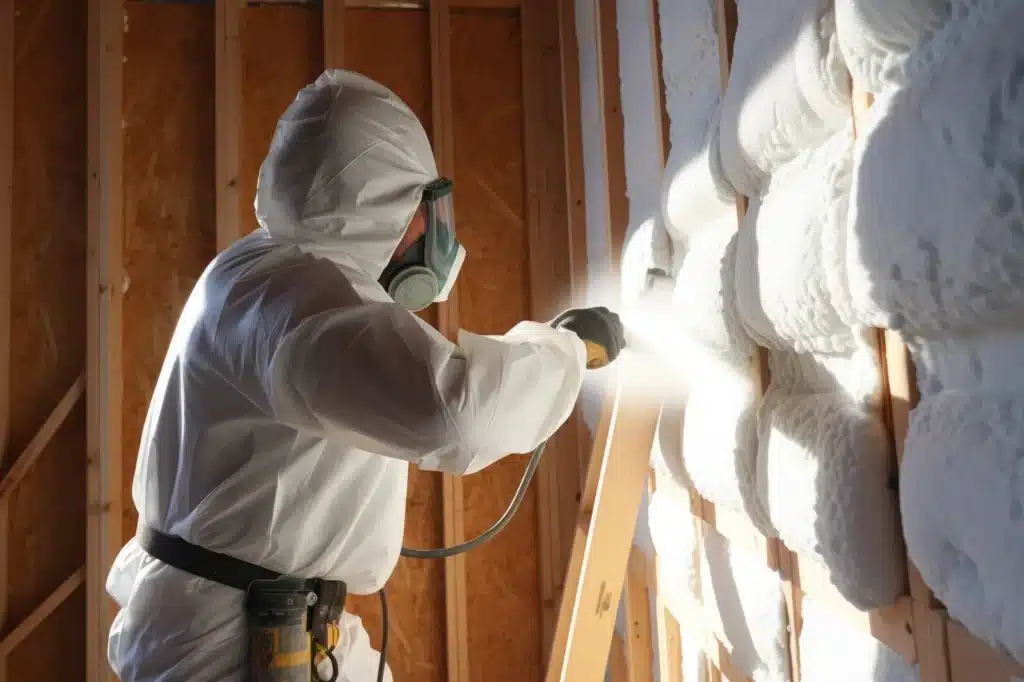
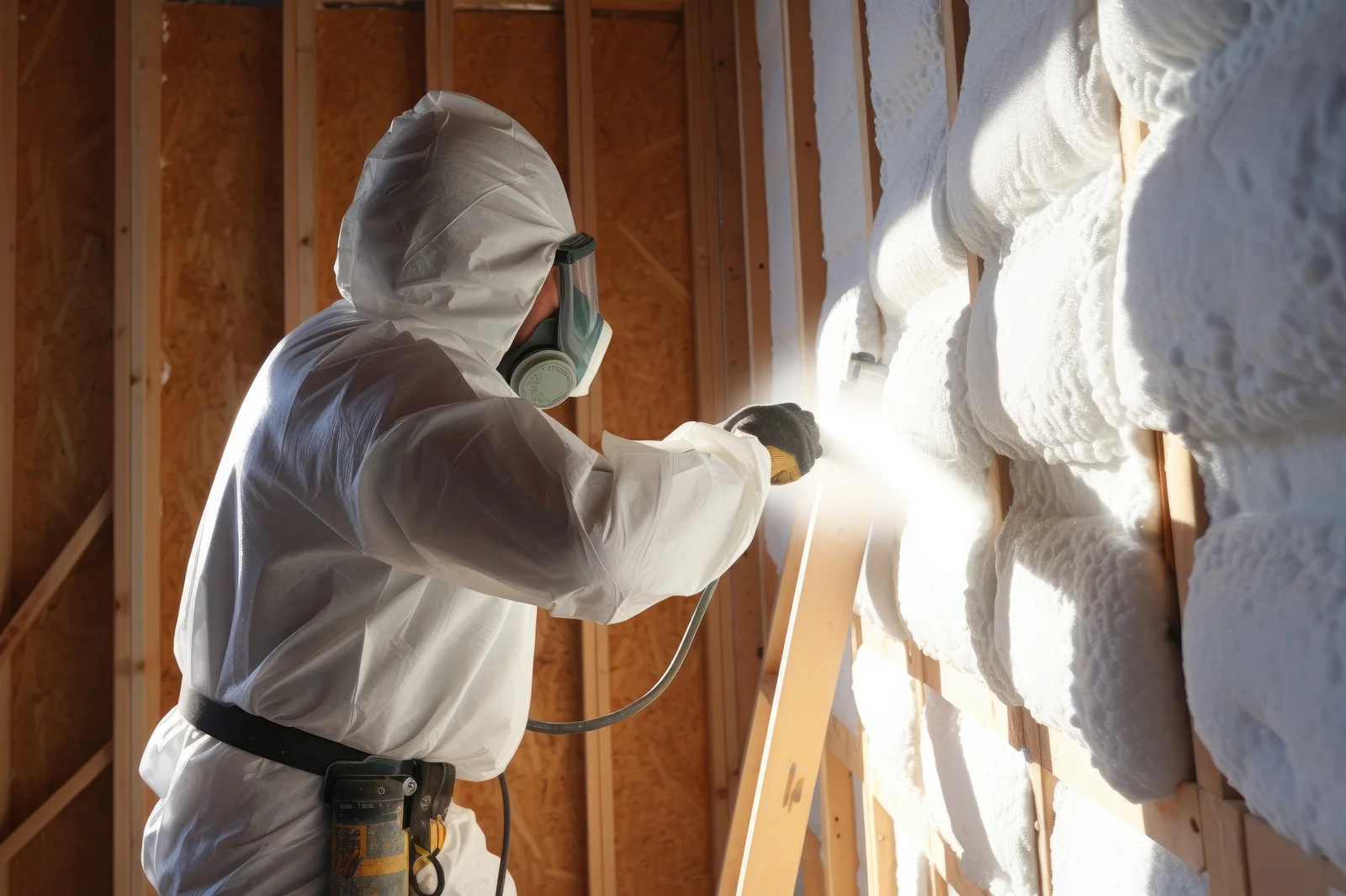
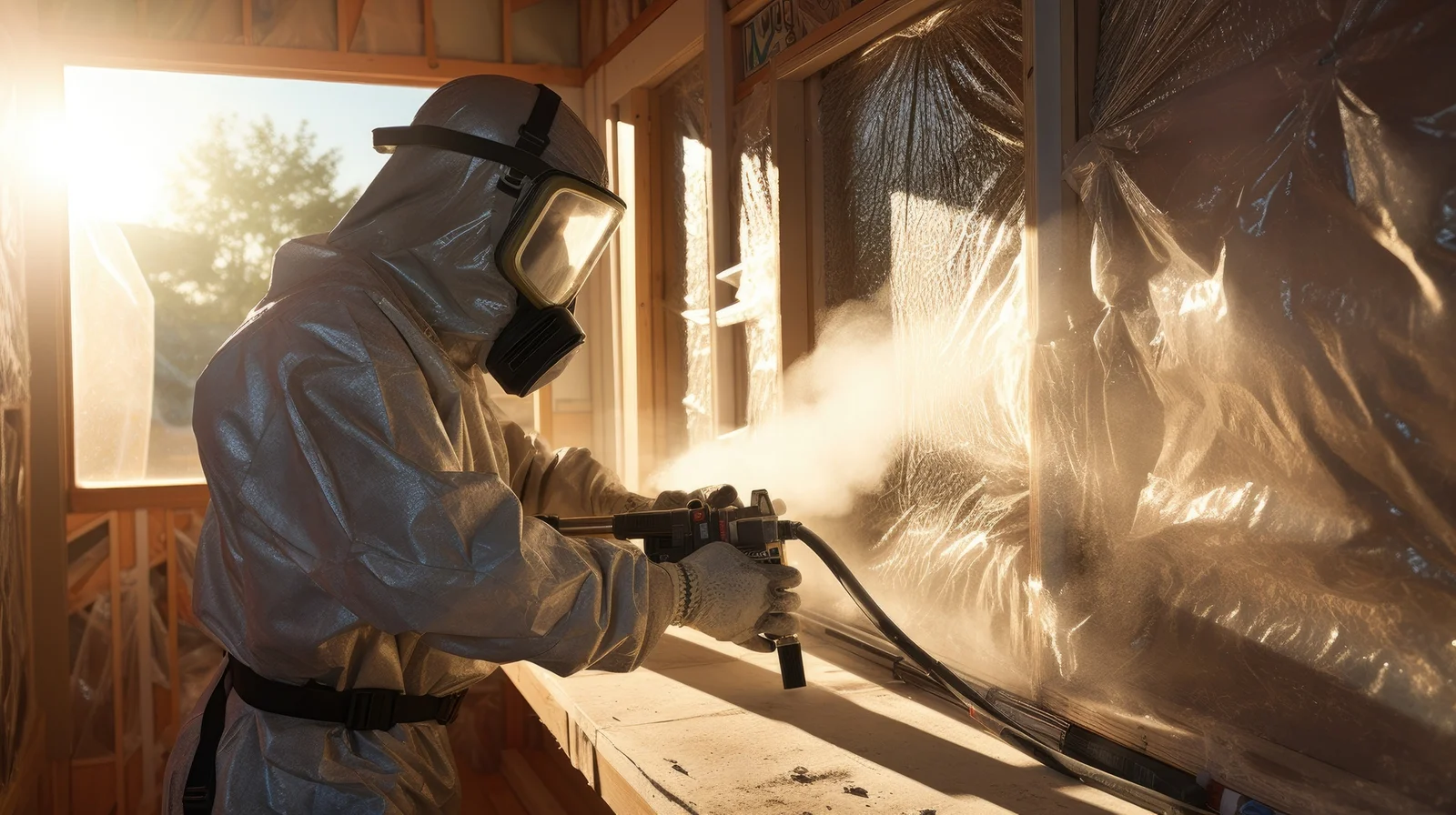
The solution is to stop the heat before it ever enters the attic space. By applying open-cell spray foam insulation directly to the underside of the roof deck, you create a complete air and thermal barrier. This transforms your attic from a sweltering oven into a semi-conditioned space.
- Benefit 1 (Energy Savings): This is the most immediate impact. By blocking radiant heat, you can slash your cooling costs by 30-50%. Your AC unit will run less often and for shorter cycles, providing immediate relief to your wallet.
- Benefit 2 (Comfort): The difference in comfort is night and day. Second-floor bedrooms become usable again. “Hot spots” in your home disappear. The overall temperature remains more consistent and comfortable year-round.
- Benefit 3 (HVAC Protection): If your HVAC unit and ductwork are located in the attic, an unconditioned space is actively destroying them. Extreme heat and humidity cause equipment to work harder and fail sooner. A sealed, unvented attic brings your HVAC system into the conditioned envelope of your home, reducing strain and dramatically extending its lifespan.
The Case for the Crawl Space: Fighting Moisture, Mold, and Pests from Below
While the attic is about immediate comfort and cost savings, the crawl space is about the long-term health and structural integrity of your historic home. What happens under your house is arguably more dangerous.
Problem #1: The Damp, Musty Underbelly
The ground in New Orleans is saturated with moisture. This moisture constantly evaporates up into your dark, unsealed crawl space. This creates a humid environment perfect for mold, mildew, and wood-destroying fungi. Through the stack effect, this damp, musty air is pulled directly into your home, bringing with it mold spores and allergens that degrade your indoor air quality. This persistent moisture also causes hardwood floors to cup and buckle and can lead to catastrophic wood rot in your floor joists and subfloor—the very bones of your house.
The Spray Foam Impact: A Clean, Dry Foundation
The only effective way to stop this assault from below is to completely seal it off. Applying closed-cell spray foam insulation to the underside of your subfloor creates a powerful, monolithic vapor and air barrier. It’s like shrink-wrapping the bottom of your home.

- Benefit 1 (Air Quality & Health): Sealing the crawl space stops the infiltration of mold spores, dust mites, and allergens. This is a critical improvement for anyone with allergies or respiratory issues. It eliminates musty odors and makes your home a healthier place to live.
- Benefit 2 (Structural Integrity): Closed-cell spray foam is rigid and waterproof. It locks out the moisture that leads to wood rot and decay, protecting the wooden foundation of your historic home. This isn’t just an energy upgrade; it’s a structural investment that prevents incredibly costly foundation repairs down the line.
- Benefit 3 (Pest Control): Termites, roaches, and rodents love damp, dark, and soft materials. The hard, dense, and inorganic nature of closed-cell foam creates a solid barrier they cannot easily chew through or nest in, helping to protect your home from infestation.
The Verdict: Where Does Spray Foam Make the Biggest Impact?
So, attic or crawl space? The answer depends on your primary goal.
| Priority | Best Starting Point | Primary Benefit |
|---|---|---|
| Immediate Energy Savings & Comfort | Attic | Dramatically reduces cooling costs and eliminates hot spots. |
| Long-Term Structural Health & Air Quality | Crawl Space | Prevents moisture damage, wood rot, mold, and pests. |
| Ultimate Home Performance | Both (Whole-Home Approach) | Completely seals the building envelope for total control. |
The Quick Answer for Immediate Relief: For the most noticeable, day-one impact on your energy bills and thermal comfort, the attic often wins. Tackling the intense solar heat gain provides the most immediate and significant relief from high AC costs in our climate.
The Critical Answer for Long-Term Home Health: For protecting the very foundation and structural integrity of your historic home while improving air quality, the crawl space is arguably more critical. It solves foundational moisture and pest issues that can lead to catastrophic damage over time.
The Professional Recommendation: The Whole-Home Approach: The truth is, they are two sides of the same coin. A truly efficient, healthy, and comfortable historic home addresses both. Insulating the attic and encapsulating the crawl space work in tandem to completely seal the building envelope, giving you the ultimate control over your indoor environment.
Why Experience Matters: Choosing the Right Contractor for Your Historic New Orleans Home
Now that you understand the “what” and “where,” the “who” becomes the most important decision. Historic homes are not a place for amateurs. The risks of hiring an unqualified contractor are immense.
For over 18 years, Sunlight Contractors has been the trusted expert for Louisiana’s unique homes. We understand the nuances that others miss.
Understanding Historic Structures
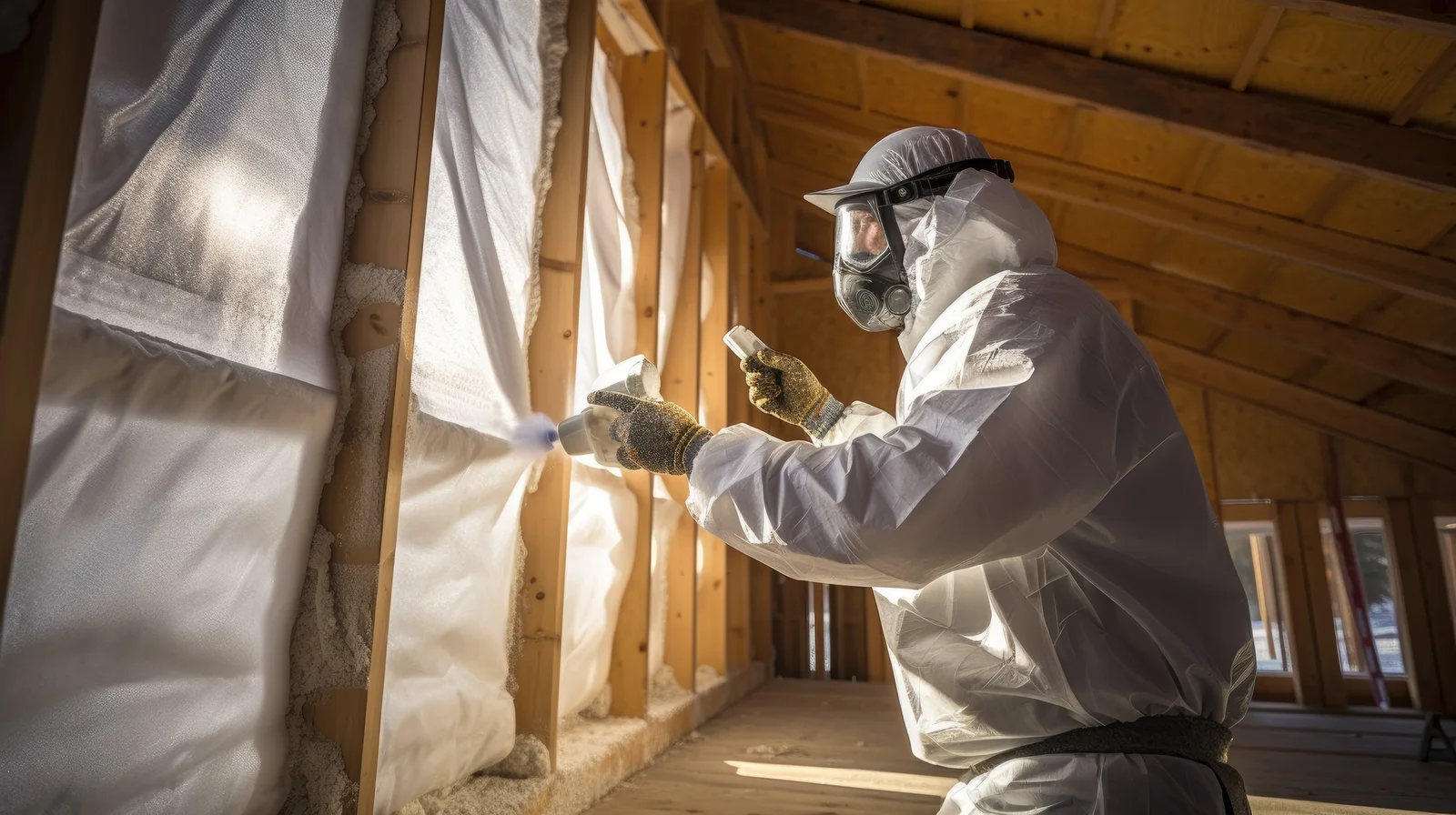
We know how to work around old-growth cypress, delicate plaster walls, and pier-and-beam foundations without causing damage. We understand the ventilation and moisture dynamics specific to these buildings. Our experience prevents costly mistakes that can compromise the historic character and structural integrity of your home.
The Right Foam for the Right Job
We don’t use a one-size-fits-all approach. We know exactly when to use breathable open-cell foam in attics versus when to use rigid, moisture-blocking closed-cell foam in crawl spaces. Using the wrong product can trap moisture and create more problems than it solves.
More Than Just Insulation
Historic homes often have interconnected issues. Our deep expertise in foundation repair, damage restoration, and home renovations means we see the whole picture. We can identify a moisture issue in a crawl space that’s causing a foundation problem and provide a comprehensive solution, not just a band-aid fix.
Protect Your Piece of History and Your Wallet
The bottom line is clear. Insulating your attic provides immediate relief from the heat and high energy bills. Insulating your crawl space protects your home’s long-term health, structure, and air quality. While starting with either is a major improvement, the best solution is a holistic one that addresses your home as a complete system.
Don’t guess where your home is losing energy or letting in moisture. Let the experts show you.
Contact Sunlight Contractors today for a comprehensive home assessment and a free quote. Protect your investment and make your historic New Orleans home the comfortable, healthy sanctuary it was always meant to be.
Call Us Now: (504) 222-2082
Request Your Free Estimate Online
Serving New Orleans, Metairie, Slidell, Baton Rouge, and all of Louisiana.