

DIY vs. Professional Insulation: Which is Safer and More Effective for Your New Orleans Winter?
Introduction: That Damp New Orleans Chill is More Than Just a Temperature
It’s 55°F outside, but inside your historic shotgun or raised cottage, it feels like it’s freezing. That damp, heavy chill sinks into the walls and floors, and no matter how high you crank the heat, you can’t seem to shake it. You’re facing another winter of high energy bills and persistent discomfort.
Walking through the hardware store, you see the DIY insulation kits. The boxes promise a simple weekend project and significant savings. The temptation is real: “I can do this myself and save some money.”
But let’s be direct. In a climate like ours—defined by relentless humidity, unique architecture, and the need for year-round performance—is a DIY spray foam job truly the safer, more effective, or even cheaper option in the long run? For over 18 years, Sunlight Contractors has seen the expensive aftermath of well-intentioned DIY projects across Louisiana. We don’t just sell insulation; we provide solutions built for the real world of New Orleans homes, from spray foam and blown-in insulation to foundation repair and damage restoration. Before you pick up that kit, let’s break down the real-world differences.
Key Takeaways
- Safety is Not Negotiable: DIY spray foam kits involve chemical reactions that require professional-grade Personal Protective Equipment (PPE). Improper application can lead to dangerous off-gassing and poor indoor air quality.
- Moisture is the Enemy: In New Orleans, a bad insulation job is a moisture trap. Improperly applied insulation creates a breeding ground for mold and rot, especially in our older wooden homes and crawl spaces.
- The Air Seal is Everything: The R-value on a box is meaningless without a complete air seal. Professionals are trained to eliminate the gaps and cracks that DIY projects miss, which is critical for stopping both drafts and humid air intrusion.
- Experience Matters: Insulating a historic New Orleans home is not the same as a new build in a dry climate. Professional contractors understand our unique architecture and how to apply the right materials for maximum effectiveness and safety.
The DIY Insulation Reality Check: Hidden Risks for Louisiana Homes
The appeal of saving money upfront with a DIY project quickly fades when you understand the specific risks involved, particularly in our unique Louisiana environment. This isn’t just about being uncomfortable; it’s about the long-term health and structural integrity of your home.
Safety First: The Dangers Lurking in a DIY Job
Chemical Exposure (The Big One for Spray Foam)
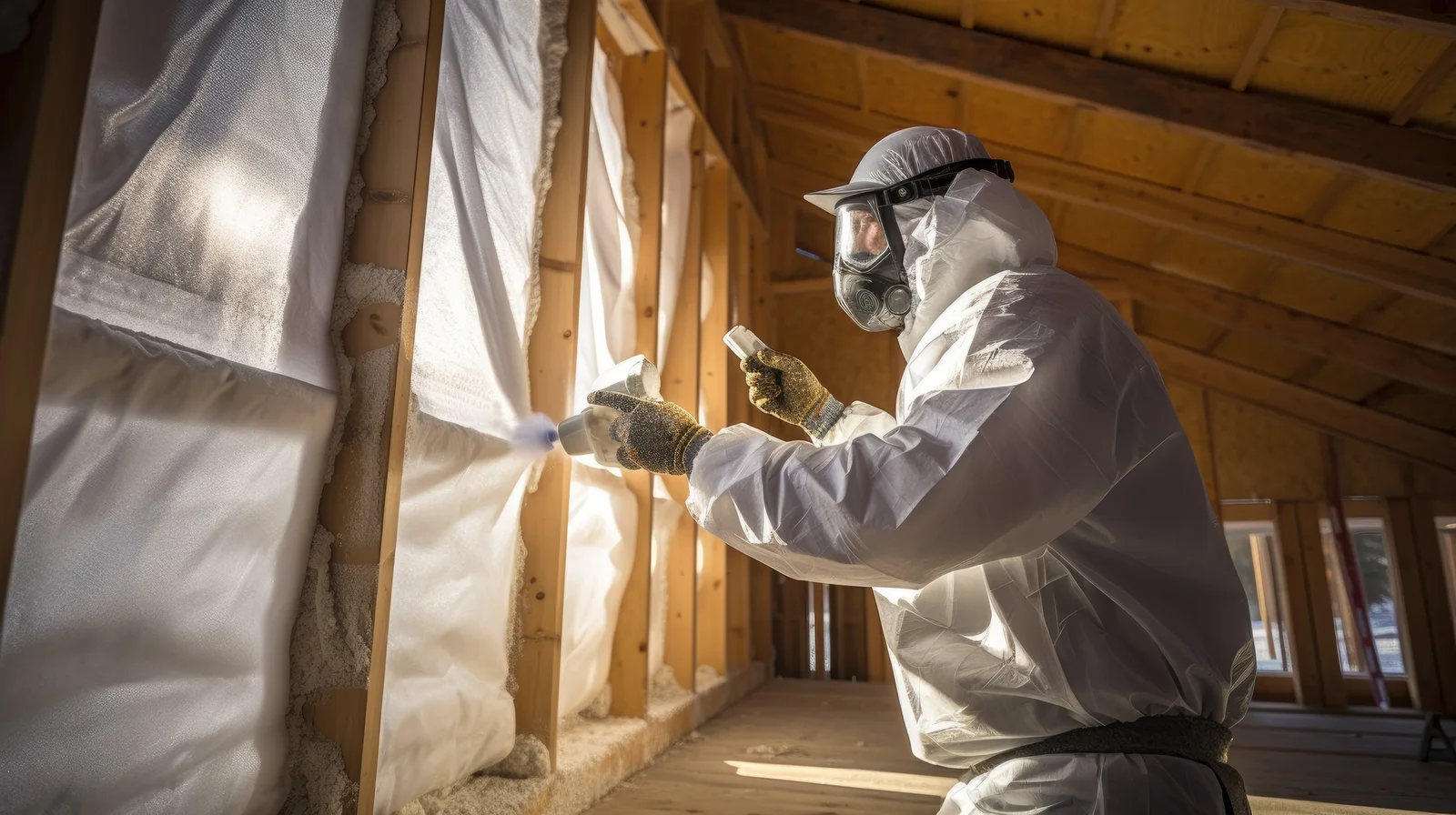
Those two-part spray foam kits are not simple products. They create insulation through an on-site chemical reaction. There’s a reason our professional installers wear full-body suits, respirators, and use powerful ventilation systems.
- Improper Curing & Off-Gassing: If the two chemicals are mixed at the wrong temperature or ratio—a common issue with less powerful DIY equipment—the foam may not cure correctly. This can lead to a persistent, unpleasant chemical odor and the continuous release of volatile organic compounds (VOCs) into your home, creating a serious indoor air quality problem. The question “Is spray foam insulation safe?” depends entirely on who is installing it.
Moisture, Mold, and Rot: A DIYer’s Nightmare in New Orleans
This is the most critical point for any New Orleans homeowner. Our air is thick with moisture year-round. A botched insulation job doesn’t just fail to keep you warm; it actively works against your home.
- Trapped Humidity: When DIY spray foam or blown-in insulation is applied unevenly, it leaves gaps. Humid air infiltrates these gaps and gets trapped between the insulation and your home’s structure. When the temperature drops, this moisture condenses, turning your walls and attic into a damp sponge. This is a direct path to mold, mildew, and eventually, wood rot—a catastrophic issue for our historic homes and pier-and-beam foundations. We’ve performed countless moisture remediation projects that started with a bad insulation job.
Fire Hazards and Structural Damage
Insulation must be installed with careful consideration for your home’s other systems.
- Fire Risk: DIY installers often make the critical mistake of applying flammable insulation directly against heat-producing fixtures like recessed lighting, electrical boxes, or flue pipes. Professionals are trained on building codes that require specific clearances to prevent a fire hazard.
- Over-Expansion: Closed-cell spray foam expands with incredible force. A DIYer who applies too much in a wall cavity can bow drywall, crack historic plaster, or even put undue pressure on the home’s framing.
The Effectiveness Gap: Why DIY Results Rarely Match the Promise
Beyond the safety risks, a DIY job simply doesn’t perform as well. You go through the time, effort, and expense only to end up with a home that’s still drafty and inefficient.
The Myth of R-Value Alone
That R-value number on the package is a laboratory measurement. In the real world, its effectiveness is dictated by the quality of the installation.
- The Critical Air Seal: The primary job of insulation in our climate is to create a complete air barrier, stopping humid, unconditioned air from entering your home. This is what truly makes you comfortable and lowers your energy bills. DIY projects are plagued by small gaps and cracks that create drafts and allow moisture intrusion, completely undermining the insulation’s performance. A professional focuses on creating a complete building envelope, something a DIY kit can’t guarantee.
Inconsistent Application = Inconsistent Comfort
Achieving a uniform layer of insulation is a skill.
- Thermal Bridges: With blown-in insulation, it’s difficult for a novice to achieve the correct, even depth across an entire attic, especially around trusses and vents. With spray foam, DIY “froth-paks” are notorious for creating an uneven, lumpy application. These thin spots, known as “thermal bridges,” become highways for heat to escape in the winter and enter in the summer, leaving you with hot and cold spots throughout your home.
The Wrong Tools for a Louisiana-Sized Job
There is no comparison between the equipment used by a homeowner and a professional contractor.
| Feature | DIY Insulation Kits (“Froth-Paks”) | Professional Equipment (Sunlight Contractors) |
|---|---|---|
| Pressure & Volume | Low pressure, low volume. Prone to clogging. | High-pressure, high-volume rigs. |
| Mixing Ratio | Inconsistent, dependent on user and temperature. | Precisely calibrated and heated for a perfect chemical ratio. |
| Application | Difficult to achieve a smooth, even layer. | Creates a seamless, monolithic, and uniform layer. |
| Result | Gaps, inconsistent density, and potential for uncured foam. | A perfect air seal with maximum thermal performance. |
The Professional Insulation Advantage: Built for Our Climate, Backed by Experience
Hiring a professional isn’t just about avoiding the risks of DIY; it’s about gaining a strategic advantage against our challenging climate. It’s an investment in a permanent solution.
Expertise That Matters in the Deep South
Anyone can buy a can of foam. Not everyone understands how to use it correctly in a subtropical climate.
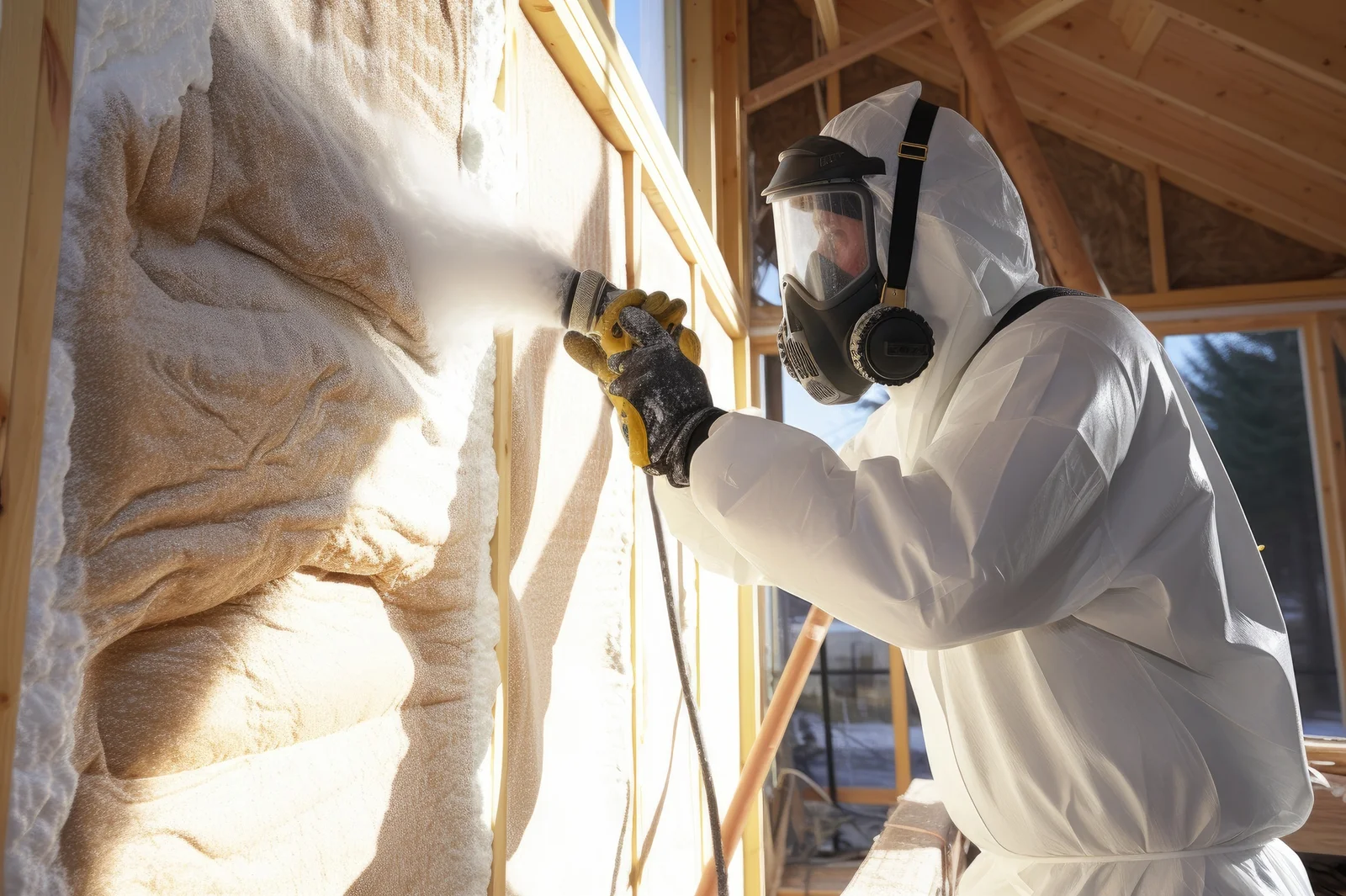
- Climate-Specific Knowledge: A true professional understands the physics of moisture movement (vapor drive) in high-humidity environments. They know how to properly insulate and ventilate an attic to prevent moisture buildup and when to use open-cell vs. closed-cell spray foam for the right balance of insulation and breathability.
- Navigating Historic and Unique Homes: Insulating a 100-year-old Uptown home or a raised cottage in Mid-City presents unique challenges. Professionals have the experience to work around complex rooflines, protect delicate plaster, and properly insulate crawl spaces and subfloors without trapping moisture.
- The Right Material for the Right Place: A professional performs an assessment, not just a sale. They will recommend the best solution for your specific home, whether it’s open-cell spray foam in the attic, closed-cell for its rigidity and moisture barrier in a flood-prone area, or the correct density of blown-in insulation to achieve the desired R-value.
The Tools and Guarantee for Total Peace of Mind
When you hire a professional, you’re buying a result, not just a product.
- Achieving the Perfect Air Seal: The primary goal of a professional installation is to create a complete thermal and air barrier. This is the key to stopping those damp winter drafts and slashing summer cooling costs.
- Safety, Licensing, and Insurance: Hiring a licensed and insured contractor protects you. The job is done to code, the crew is properly trained and protected, and you are shielded from liability.
- Long-Term Value and Warranty: A professional job is an investment that pays for itself through years of lower energy bills and increased home comfort. It’s a permanent upgrade to your home that often comes with a warranty—something no DIY kit can offer.
Why New Orleans Chooses Sunlight Contractors for Safer, More Effective Insulation
Connecting the benefits of a professional job directly to our team is simple. For over 18 years, Sunlight Contractors has been on the ground, serving homeowners and businesses across Louisiana. We don’t just know insulation; we know Louisiana homes and the challenges they face from the brutal summer heat to the damp winter chill.
Our specialization in spray foam insulation and blown-in insulation isn’t just one service among many; it’s a core expertise. This focus ensures the job is done right the first time, every time. Our extensive experience in damage restoration and foundation repair means we’ve seen firsthand what happens when moisture gets trapped by a bad insulation job. We know exactly how to prevent it, protecting the long-term health of your home.
Don’t Risk Your Home’s Health This Winter
While the upfront cost of DIY insulation seems appealing, the safety risks and potential for an ineffective job—especially in New Orleans—are simply too high. Trapped moisture, mold, persistent drafts, and poor air quality can cost you far more in repairs and high utility bills in the long run.
An effective insulation system is your home’s first and best line of defense against our unique climate. Investing in a professional installation from a team that understands Louisiana is an investment in your home’s safety, its structural integrity, and your family’s year-round comfort.
Call to Action
Ready to feel the difference a professional insulation job can make this winter? Protect your home and your family from the damp Louisiana cold.
Contact Sunlight Contractors today for a free, no-obligation consultation and estimate!
Call Us: (504) 222-2082