
Author: The Sunlight Contractors Team
Is Your Attic Making Your New Orleans Home Hotter? A Guide to Insulation and Radiant Barriers
The New Orleans summer sun is relentless. Your air conditioner runs from dawn until well after dusk, the hum a constant soundtrack to your life, but that one upstairs room still feels like an oven. You’ve checked the vents, you’ve closed the blinds, but the heat just won’t quit. The problem isn’t your AC unit fighting a losing battle; it’s the unseen enemy directly above your head: your attic.
An under-insulated and poorly sealed attic acts like a giant radiator, absorbing the brutal Louisiana heat and beaming it down into your living space. This forces your cooling system to work overtime, driving up your energy bills and pushing the equipment toward premature failure.
For over 18 years, Sunlight Contractors has been the trusted expert for homeowners and businesses across Louisiana, tackling this exact problem. We understand the unique challenges of the New Orleans climate because we live here. We specialize in creating cooler, more energy-efficient homes through advanced insulation solutions like spray foam and blown-in insulation. This guide will walk you through why your attic is the culprit and how to fix it for good.
Key Takeaways
- In New Orleans, an unconditioned attic can reach temperatures of 150°F or more, becoming the single largest source of heat gain in your home.
- Heat gain from the attic forces your air conditioner to run longer and harder, leading to sky-high energy bills and premature system failure.
- Modern insulation, particularly spray foam and blown-in insulation, not only slows heat transfer but also creates an air seal, which is critical for controlling humidity.
- Radiant barriers work in tandem with insulation by reflecting radiant heat, further reducing the heat load on your attic and home.
- A professional assessment from a company like Sunlight Contractors is crucial to identify air leaks, check ventilation, and determine the right insulation solution for your specific home.
TL;DR
Your sweltering New Orleans attic is making your home hotter and your energy bills higher. The most effective solution is a professionally installed system of modern insulation, like spray foam or blown-in, combined with proper air sealing. This combination stops heat transfer and controls humidity, creating a more comfortable and efficient home. Sunlight Contractors has over 18 years of local experience providing these exact solutions.
The New Orleans Attic Problem: A Vicious Cycle of Heat and Humidity
To understand why your attic gets so hot, you first need to understand how heat moves. It’s not just about hot air.
Understanding the Three Types of Heat Transfer
- Conduction: Heat transfer through direct contact. Think of a hot pan handle. In your home, this is heat moving through solid materials like your roof shingles, decking, and ceiling joists.
- Convection: Heat transfer through the movement of fluids (like air). This is the hot air circulating within your attic and finding its way into your living space through gaps and cracks.
- Radiation: Heat transfer through electromagnetic waves. This is the heat you feel from hot asphalt or a bonfire, even when you’re not touching it. It’s the primary way the sun heats your roof.
How Your Attic Becomes a Giant Oven
The process is a simple, brutal cycle. The sun’s radiant heat cooks your roof, which can easily reach temperatures of 170°F or higher. This heat is then conducted through the roofing materials into your attic space. The air and framing inside the attic heat up, creating a massive reservoir of superheated air—often exceeding 150°F.
This superheated, buoyant air then pushes down through any available path into your cooler, conditioned living areas. This phenomenon, known as the “stack effect,” works against you in the summer, forcing hot attic air down through recessed lighting fixtures, attic hatches, and gaps around plumbing and wiring.
The Humidity Factor: Why NOLA is Different
In a dry climate, heat is the only problem. Here in New Orleans, we fight a two-front war against heat and humidity. Those same air leaks that allow hot air to infiltrate your home also carry massive amounts of moisture.
This humid air does two things:
- It makes the “feels like” temperature much higher, forcing your AC to work even harder to achieve a comfortable state.
- It introduces moisture into your home’s structure, which can lead to serious problems like mildew and moisture damage over time.
Your First Line of Defense: Choosing the Right Insulation
Controlling heat and moisture requires more than just laying down some pink fluff. It requires a system that addresses both thermal resistance and air leakage.
The Gold Standard: Spray Foam Insulation
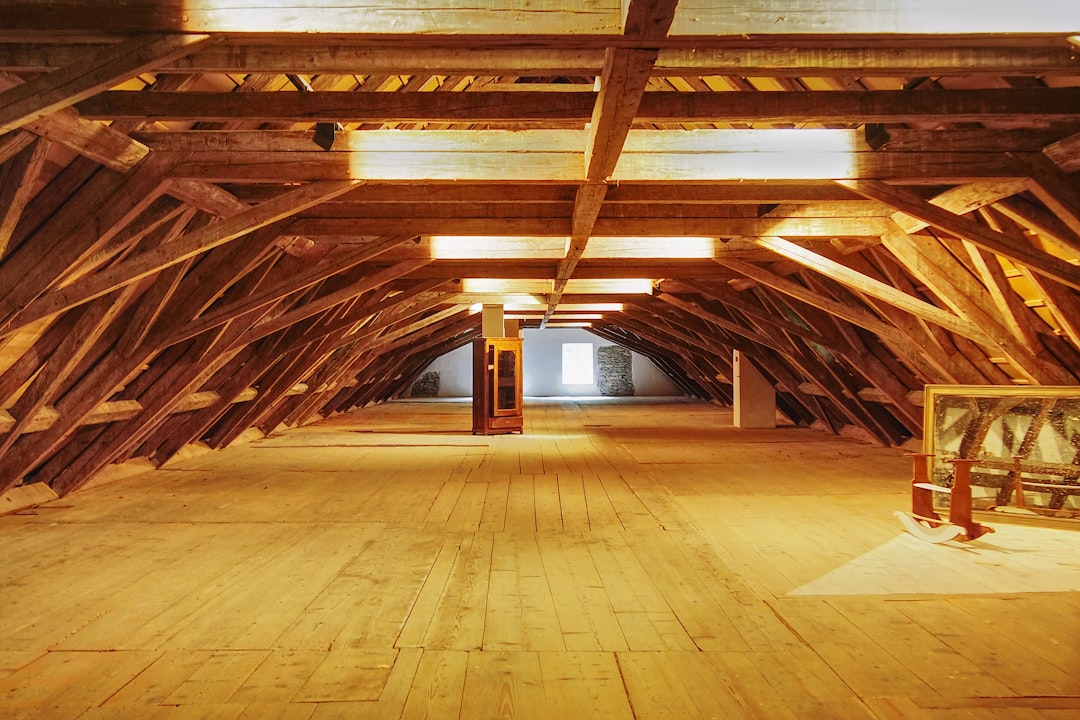
Spray Polyurethane Foam (SPF) is widely considered the ultimate insulation solution, especially for a climate like ours. It’s applied as a liquid that expands to fill every crack and crevice before curing into a rigid, durable barrier.
- Air Barrier: The single greatest advantage of spray foam is its ability to create a monolithic air seal. It stops convective heat transfer and humid air infiltration dead in their tracks.
- Moisture Barrier: Closed-cell spray foam is impermeable to water. When applied to the underside of a roof deck, it adds a layer of protection against roof leaks and prevents moisture from being driven into your attic.
- High R-Value: Spray foam provides excellent thermal resistance, or R-value, slowing the transfer of conductive heat.
| Insulation Type | Air Seal? | Moisture Barrier? | Typical Application |
|---|---|---|---|
| Closed-Cell Spray Foam | Excellent | Yes | Roof decks, walls, subfloors |
| Open-Cell Spray Foam | Excellent | No (vapor permeable) | Roof decks, walls |
| Blown-In Insulation | Good (air retarder) | No | Attic floors |
| Fiberglass Batts | No | No | Walls, attic floors (not ideal) |
The Powerful Upgrade: Blown-In Insulation
For homeowners looking for a significant performance boost over traditional insulation, blown-in insulation is a fantastic choice. Using specialized equipment, we blow fiberglass or cellulose fibers into the attic, creating a thick, seamless blanket of insulation.
- Seamless Coverage: Unlike batts, which have to be cut around obstacles, blown-in insulation flows around pipes, wiring, and framing, eliminating the gaps and voids that compromise performance.
- Cost-Effective: It’s an excellent and affordable way to bring an under-insulated attic up to modern standards, often by simply topping up existing insulation.
- Quick Installation: A typical attic insulation upgrade can be completed in a single day, delivering immediate improvements in comfort and energy savings.
What About Old-Fashioned Fiberglass Batts?
While common, fiberglass batts are a poor choice for a high-performance attic in New Orleans. They are nearly impossible to install without gaps and voids. Over time, they can sag or compress, losing their effectiveness. Most importantly, they do absolutely nothing to stop air leakage, which is a critical failure in our humid climate.
The Supporting Player: Do You Need a Radiant Barrier?
Insulation is designed to slow down conductive and convective heat transfer. But what about the radiant heat that starts the whole problem? That’s where a radiant barrier comes in.
How a Radiant Barrier Works: A Sunshade for Your Home
Think of a radiant barrier like the reflective sunshade you put in your car’s windshield. It’s a thin, highly reflective material (like aluminum foil) that is typically installed on the underside of your roof rafters. Its job is simple: reflect radiant heat. According to the U.S. Department of Energy, a radiant barrier can reflect up to 97% of the sun’s radiant energy, stopping it before it can heat up your insulation and the attic air.
Insulation + Radiant Barrier: The Ultimate 1-2 Punch
A radiant barrier is not a replacement for insulation; it’s a teammate. They work together to create the most resilient defense against summer heat.
- The radiant barrier reflects the vast majority of radiant heat away from the attic.
- The insulation (like spray foam or blown-in) slows down the small amount of heat that does get through.
This combination keeps the entire attic assembly dramatically cooler, taking a massive load off your insulation and, most importantly, your air conditioning system.
The Sunlight Contractors Difference: More Than Just Materials
Installing the right product is only half the battle. The quality of the installation and the expertise of the contractor are what determine the final result.
It Starts with a Comprehensive Assessment
We don’t just give you a price over the phone. As a BPI GoldStar Contractor, we perform a thorough home energy assessment to understand your home’s unique dynamics. We inspect for air leaks, evaluate existing insulation levels, check for proper attic ventilation, and identify any moisture issues. This building science approach ensures we recommend the right solution, not just sell a product.
The Critical Importance of Air Sealing
Blowing a mountain of new insulation over major air leaks is like putting on a new winter coat without zipping it up. It’s ineffective. Before any insulation is installed, our team meticulously seals the gaps around can lights, plumbing stacks, electrical wiring, and where the walls meet the attic floor. This step is non-negotiable for achieving real performance and humidity control.
Our Commitment to Louisiana for Over 18 Years
Sunlight Contractors is not an out-of-state company chasing storms. We are your neighbors. For over 18 years, we have provided expert solutions for homeowners and businesses across Louisiana. We understand the construction of New Orleans homes, from historic shotguns to modern builds, and we tailor our solutions accordingly. Our expertise extends beyond insulation to renovations, foundation repair, and fireproofing, giving us a holistic understanding of how to make your entire home safer, stronger, and more efficient.
Take Back Your Comfort: Cool Your Home for Good
Stop letting your attic dictate your comfort and your budget. By addressing heat gain at its source with the right insulation and air sealing strategy, you can create a permanently cooler, more comfortable, and more energy-efficient New Orleans home. According to ENERGY STAR, homeowners can save an average of 15% on heating and cooling costs by air sealing and adding insulation. In a cooling-dominated climate like ours, the savings are often even more significant.
With over a decade of dedicated service in Louisiana, Sunlight Contractors has the proven expertise and high-performance solutions to solve your home’s energy and comfort challenges. We know what works in our unique climate because we’ve been delivering results here for nearly two decades.