
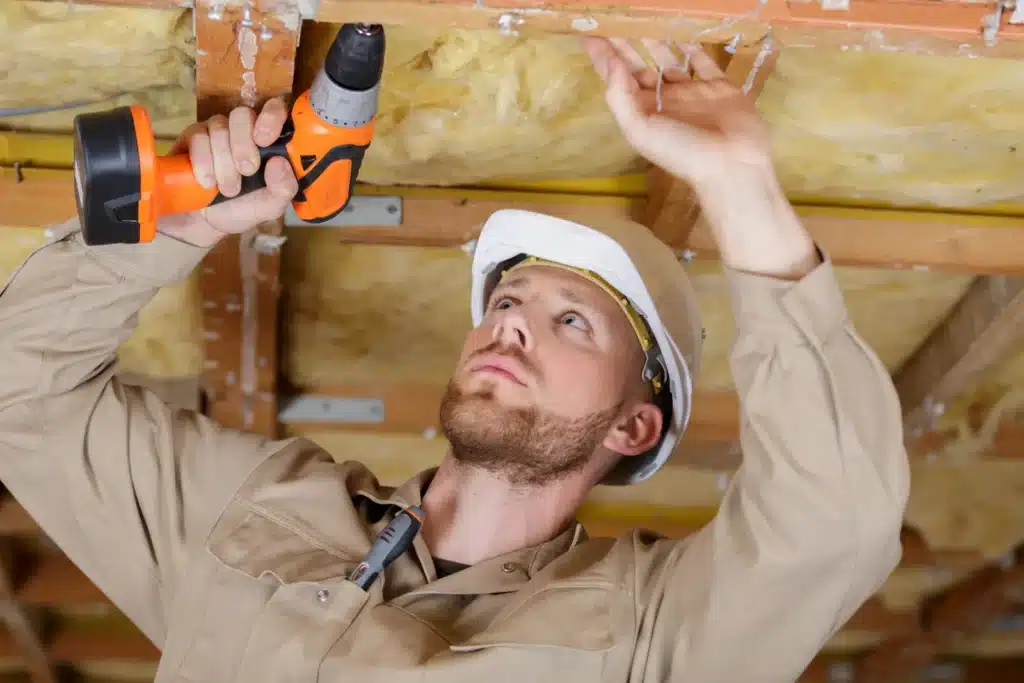
A Homeowner’s Guide to Understanding Insulation R-Value for Maximum Winter Comfort
Is your heater working overtime but you still feel that damp, persistent chill? You’re not alone. New Orleans winters might not bring blizzards, but their high humidity can make a 50-degree day feel bone-chillingly cold, especially in an older home. This discomfort, and the high energy bills that come with it, are often a direct result of inadequate or failing insulation. For over 18 years, Sunlight Contractors has been tackling this exact problem, serving the insulation and home performance needs of homeowners and businesses across Louisiana.

This is your no-nonsense guide to understanding insulation R-value—the key metric that stands between you and a comfortable home. By understanding R-value and choosing the right insulation material for our unique climate, you can transform your home from a drafty, damp box into a warm, dry, and efficient sanctuary this winter.
Key Takeaways
- R-Value Explained: R-value is a simple measure of thermal resistance. The higher the R-value, the better an insulation material is at stopping heat from escaping your home.
- New Orleans’ Specific Needs: As part of U.S. Climate Zone 2, New Orleans homes have specific R-value targets recommended by the Department of Energy, with attics (R-30 to R-49) being the most critical area.
- Beyond R-Value: In our humid climate, a high R-value is not enough. You must also control air leakage and moisture intrusion, as these factors can render insulation useless and lead to bigger problems like mold.
- The Right Tools for the Job: Modern insulation like spray foam and high-performance blown-in insulation are superior solutions for New Orleans homes because they address not just thermal resistance but also air and moisture control.
What Exactly is Insulation R-Value? A Simple Guide for Homeowners
Let’s cut through the technical jargon. R-value is a measure of an insulation material’s ability to resist heat flow. It’s a grade for its thermal resistance.
Think of R-value like the SPF of sunscreen. A higher SPF provides more protection from the sun; a higher R-value provides more protection from heat loss in the winter (and heat gain in the summer).
The bottom line is simple: The higher the R-value, the better the insulation’s performance. A higher R-value means less work for your HVAC system, lower energy bills, and a more comfortable living space. The R-value of spray foam, for example, is significantly higher per inch than traditional materials, making it a powerful tool for improving home efficiency.
The Department of Energy’s Recommended R-Value for New Orleans
Insulation is not a one-size-fits-all solution. The right R-value for a home in Minnesota would be overkill here, and what works for us would be insufficient up there. The U.S. Department of Energy divides the country into climate zones to provide tailored recommendations.
New Orleans and the surrounding Gulf Coast fall into U.S. Climate Zone 2 (Hot-Humid). According to ENERGY STAR, here are the targets you should be aiming for:
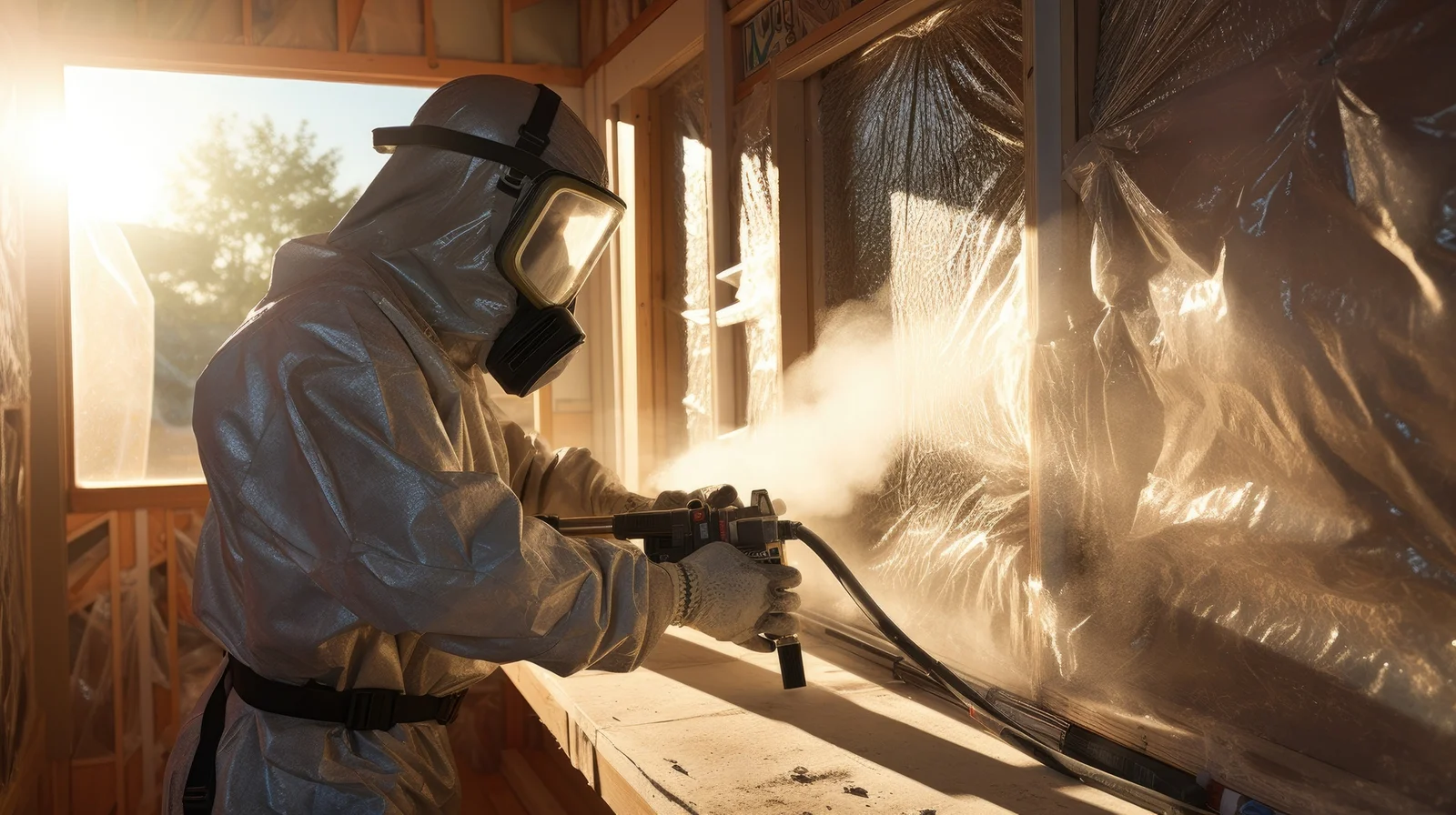
R-Value for Attics
Your attic is the single most important area to insulate. Since heat rises, an uninsulated or under-insulated attic is like having a giant hole in the top of your house, letting all the warm air you’re paying for escape. The recommended level for a New Orleans attic is R-30 to R-49. Many older homes have settled, compressed, or completely inadequate attic insulation, making this the first place to check.
R-Value for Walls
Insulating walls, especially in existing homes, can be more complex. For new construction or major renovations, the target is R-13 to R-15. The unique construction of many older New Orleans homes, from shotgun houses to raised center-halls, presents challenges that require expert solutions like injecting spray foam into existing walls.
R-Value for Floors & Crawl Spaces
If you live in a raised home built on piers, you know how cold floors can get. That damp, chilly air from the crawl space seeps right up into your living area. Insulating your subfloor is critical for comfort and moisture control. The recommendation for floors is R-13 to R-19. Properly insulating a crawl space not only warms your floors but also helps prevent moisture, mold, and termite issues.
Why R-Value Isn’t the Whole Story (Especially in a Humid Climate)
Achieving the target R-value is a great start, but it’s only part of the equation for true comfort in Louisiana. If you ignore two other critical factors—air leakage and humidity—even the highest R-value insulation will fail to perform.
Air Sealing is Non-Negotiable
Your home’s “building envelope” is the barrier between the conditioned inside and the unconditioned outside. A high R-value is useless if that envelope is full of holes. Gaps around windows, plumbing penetrations, unsealed attic hatches, and recessed lighting create air leaks that allow cold, damp winter air to bypass your insulation entirely. This uncontrolled air movement, known as the stack effect, is a primary cause of high heating bills and discomfort. Effective air sealing is the first step to making your insulation work.
The Humidity Factor
New Orleans’ high humidity is the enemy of both comfort and conventional insulation. Materials like fiberglass batts can act like a sponge, absorbing airborne moisture. When insulation gets damp, its R-value plummets, and it becomes a breeding ground for mold and mildew. This is why dehumidification and proper insulation must be addressed together. You need an insulation system that doesn’t just resist heat, but also resists moisture.
Choosing the Right Insulation for Maximum Comfort: Spray Foam vs. Blown-In
This is where understanding the limitations of R-value leads to a better solution. To combat air leaks and humidity, you need insulation that does more than just sit in a wall cavity. You need a system that seals the building envelope.
| Feature | Spray Foam Insulation | High-Performance Blown-In |
|---|---|---|
| R-Value | High (R-6 to R-7 per inch for closed-cell) | Good (R-3.2 to R-3.8 per inch) |
| Air Sealing | Excellent (Creates a monolithic air barrier) | Good (Fills gaps better than batts) |
| Moisture Barrier | Excellent (Closed-cell foam is waterproof) | Fair (Can be treated to resist moisture) |
| Best Application | Attics, crawl spaces, new walls, historic homes | Topping up existing attic insulation |
| Key Benefit | All-in-one insulation, air, and moisture barrier | Cost-effective for attic upgrades |
The Unmatched Performance of Spray Foam Insulation
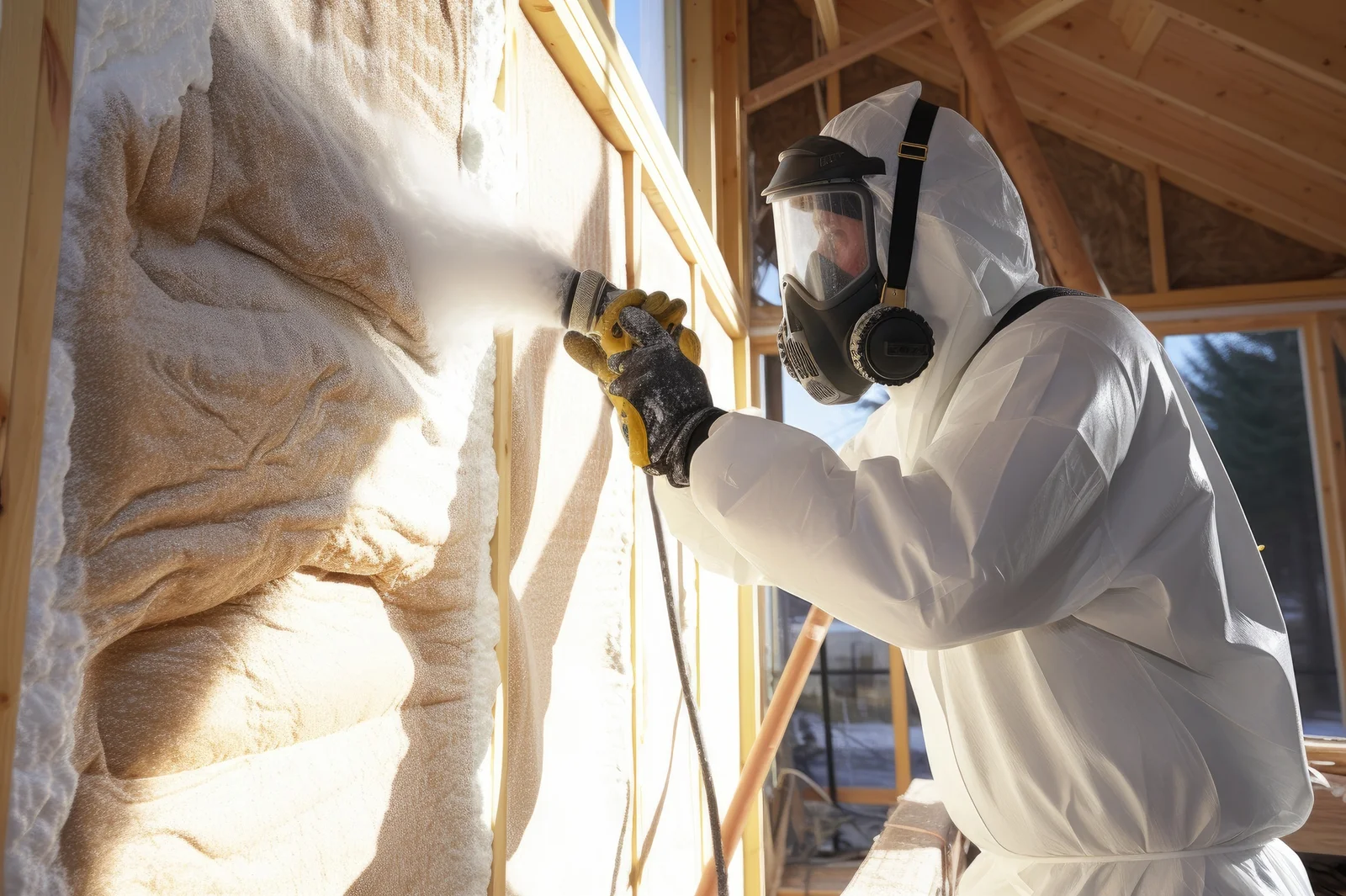
Spray Polyurethane Foam (SPF) has a high R-value, but its real value lies in its application. When applied, it expands to fill every crack, gap, and crevice, creating a seamless, monolithic barrier.
- Beyond R-Value: Spray foam insulation is both an insulator and an air sealant. This dual function stops drafts and heat loss in a way no other product can.
- NOLA-Specific Benefits: It’s the perfect solution for our housing stock. It can seal drafty attics in historic homes, creating a conditioned space. It can be applied directly to the underside of a subfloor, creating a powerful vapor barrier that locks out damp crawl space air. Closed-cell spray foam is particularly effective as it is rigid, waterproof, and can even add structural strength.
The Smart Upgrade: High-Performance Blown-In Insulation
For many homeowners, the most immediate and cost-effective improvement is in the attic. Over the years, old insulation settles and compacts, losing much of its effectiveness.
- How it Works: High-performance blown-in insulation, like cellulose or fiberglass, is installed using a specialized hose. This allows it to flow into and around every joist and wire, creating a complete thermal blanket with no gaps.
- NOLA-Specific Benefits: This method is ideal for topping up existing attic insulation to reach the recommended R-38 or higher. It’s a fast, efficient process that can dramatically reduce heat loss and lower your energy bills without the cost of a full insulation removal.
Trust 18+ Years of Louisiana Expertise for Your Home’s Comfort
Now you understand the problem and the best solutions. The final step is choosing the right team to implement them. For over 18 years, Sunlight Contractors has been the trusted expert for homeowners and businesses across Louisiana. We aren’t just installers; we are building science experts.
We understand the unique challenges of Louisiana’s climate and its diverse architecture, from historic shotgun houses in the city to modern constructions on the Northshore. Our services go beyond insulation to include renovations, foundation repair, and fireproofing, making us a holistic home performance company. When you work with us, you’re partnering with a team that has seen it all and knows how to deliver lasting comfort and real energy savings.
Take the First Step to Maximum Winter Comfort Today
Stop putting up with a cold, drafty home and shockingly high heating bills. You don’t have to layer on blankets just to watch TV. The solution is clear, and the experts are ready to help.
Contact Sunlight Contractors today for a comprehensive home energy assessment. We’ll use diagnostic tools like blower door tests to identify your home’s weak spots and recommend the perfect insulation solution to keep you warm, dry, and comfortable all winter long.
Click Here to Schedule Your Free Consultation or call us now to speak with a building performance specialist!