
A New Orleans Homeowner’s Guide: How Proper Attic Insulation Prevents Surprise Ice Dams and Winter Roof Damage
When you think of winter problems in New Orleans, a leaky roof from an ice dam probably isn’t the first thing that comes to mind. But as our weather patterns become less predictable, a sudden deep freeze can catch homeowners off guard. While not as common as in colder climates, the conditions for ice dams can and do occur in Louisiana, especially in homes with poor or nonexistent attic insulation. This isn’t just a “northern problem” anymore.

For over 18 years, Sunlight Contractors has been protecting homes and businesses across Louisiana from the unique challenges of our climate, from blistering summer heat to unexpected winter freezes. We understand that preventing a problem is always better than repairing the damage. This post will break down what ice dams are, the serious damage they cause, and how the right attic insulation is the key to preventing them—protecting your home and your wallet.
Key Takeaways
- Ice Dams Are a Real Threat in Louisiana: Sudden freezes combined with heat escaping from a poorly insulated attic create the perfect conditions for ice dams, even in our warmer climate.
- The Cause is Heat Loss, Not Cold Weather: Ice dams form when heat from your home melts snow or frost on the roof, which then refreezes at the colder eaves, creating a blockage.
- Insulation is the Solution: The goal is to keep your entire roof deck uniformly cold. Proper attic insulation, especially spray foam, creates a thermal barrier that stops heat from escaping and prevents the melt-refreeze cycle from ever starting.
- Year-Round Benefits: The same insulation that prevents winter ice dams is your best defense against brutal summer heat, drastically lowering your A/C bills and improving home comfort.
That “Northern Problem” That’s Closer to Home Than You Think: Ice Dams in New Orleans
Most homeowners in New Orleans worry about hurricanes, humidity, and heat. Ice is an afterthought. But ignoring the possibility of a hard freeze is a mistake. A poorly prepared home is vulnerable, and the damage from a single ice dam event can be catastrophic, leading to costly repairs that could have been easily avoided.
The issue isn’t the ice itself, but the cycle of melting and refreezing that happens on a poorly insulated roof. Your home’s heating system works to keep you comfortable, but in an under-insulated house, a significant portion of that expensive heat escapes straight up into the attic. This is the starting point for a chain reaction that can end with water pouring through your ceiling.
What Exactly is an Ice Dam? A Simple Breakdown
An ice dam is a ridge of ice that forms at the edge of a roof and prevents melting snow or frost from draining off. As the water backs up behind the dam, it can leak into your home and cause significant damage to walls, ceilings, insulation, and more.
The Science Behind the Ice
The process is straightforward and follows a predictable pattern:
- Heat Escapes: Warm air from your living space rises. It passes through gaps and thin insulation in your attic floor, a phenomenon known as the stack effect.
- Roof Deck Warms: This escaping heat warms the underside of your roof sheathing. Even if the outside air is below freezing, the roof surface above the attic becomes warm enough to melt any snow or frost on it.
- Water Runs to the Eaves: The melted water flows down the slope of your roof. It continues until it reaches the eaves and gutters—the part of the roof that extends past the walls of the house.
- The Dam Forms: Because the eaves are not warmed by the attic heat below, they remain at the ambient freezing temperature. The water hits this cold surface and refreezes, creating a small blockage. As more water flows down and freezes, this blockage grows into a thick ridge of ice—an ice dam.
Think of it like a tiny, frozen waterfall at the edge of your roof that blocks any more water from draining. The pond of water that forms behind it is the real danger.
The Hidden Damage Ice Dams Cause
The initial ice dam is just the beginning. The real problems start when water has nowhere to go. A professional contractor is often needed to diagnose the full extent of the damage, which can include:
- Water Backup: The trapped water pools behind the dam. This standing water can easily work its way under the seals of your shingles, which are designed to shed flowing water, not to be submerged.
- Roof Leaks & Interior Damage: Once under the shingles, water finds its way into the attic. It soaks your insulation, rendering it useless and creating a breeding ground for mold. From there, it leaks into ceilings and down walls, causing ugly stains, rotting wood, and promoting mildew growth that compromises your home’s indoor air quality.
- Structural Damage: The sheer weight of the ice can be immense. It can tear gutters right off your house, loosen shingles, and damage fascia boards. This can lead to even more expensive roof repairs down the line.
The Solution is Overhead: How Attic Insulation Prevents Ice Dams
The key to preventing ice dams is counterintuitive to some. The goal isn’t to warm the roof to melt the ice; it’s to keep the entire roof surface uniformly cold.
Keeping Your Roof Consistently Cold
When your attic is properly insulated, it acts as a robust thermal barrier. It stops the heat from your living space from ever reaching the underside of the roof deck. The roof sheathing stays at or near the same temperature as the outside air.
If the roof deck stays cold, any frost or light snow on it doesn’t melt from heat escaping your home. It will either stay frozen or melt evenly and drain away as outdoor temperatures naturally rise above freezing. This completely prevents the dangerous melt-and-refreeze cycle. You’ve eliminated the root cause of the problem.
Why Your Old Insulation Isn’t Cutting It
Many older New Orleans homes, especially historic ones, have inadequate insulation that’s simply not up to the task. If you’re dealing with high energy bills or drafts, your insulation is likely failing.
Here are some common issues we see every day:

- Settled or Compressed Insulation: Over decades, old fiberglass batts and blown-in cellulose can settle and compress. This creates thin spots and gaps, drastically reducing their effectiveness (their R-value). If you can see the tops of your ceiling joists in the attic, your insulation is insufficient.
- Moisture Damage: Louisiana’s oppressive humidity is the enemy of traditional insulation. Fiberglass and cellulose can absorb moisture from the air, which leads to compaction, mold growth, and a significant loss of insulating power.
- Air Leaks: Insulation only slows heat transfer; it doesn’t stop air movement. Gaps around light fixtures, plumbing stacks, attic hatches, and vents create highways for warm, moist air to escape into your attic. This is why professional air sealing is just as critical as insulation itself.
The Modern Insulation Louisiana Homes Need: Spray Foam & Blown-In Solutions
For a complete defense against both winter ice and summer heat, modern insulation materials provide a superior, long-lasting solution. As a leading insulation contractor in Louisiana, we know that choosing the best insulation for your home depends on creating a complete thermal envelope.
The Ultimate Barrier: Spray Foam Insulation
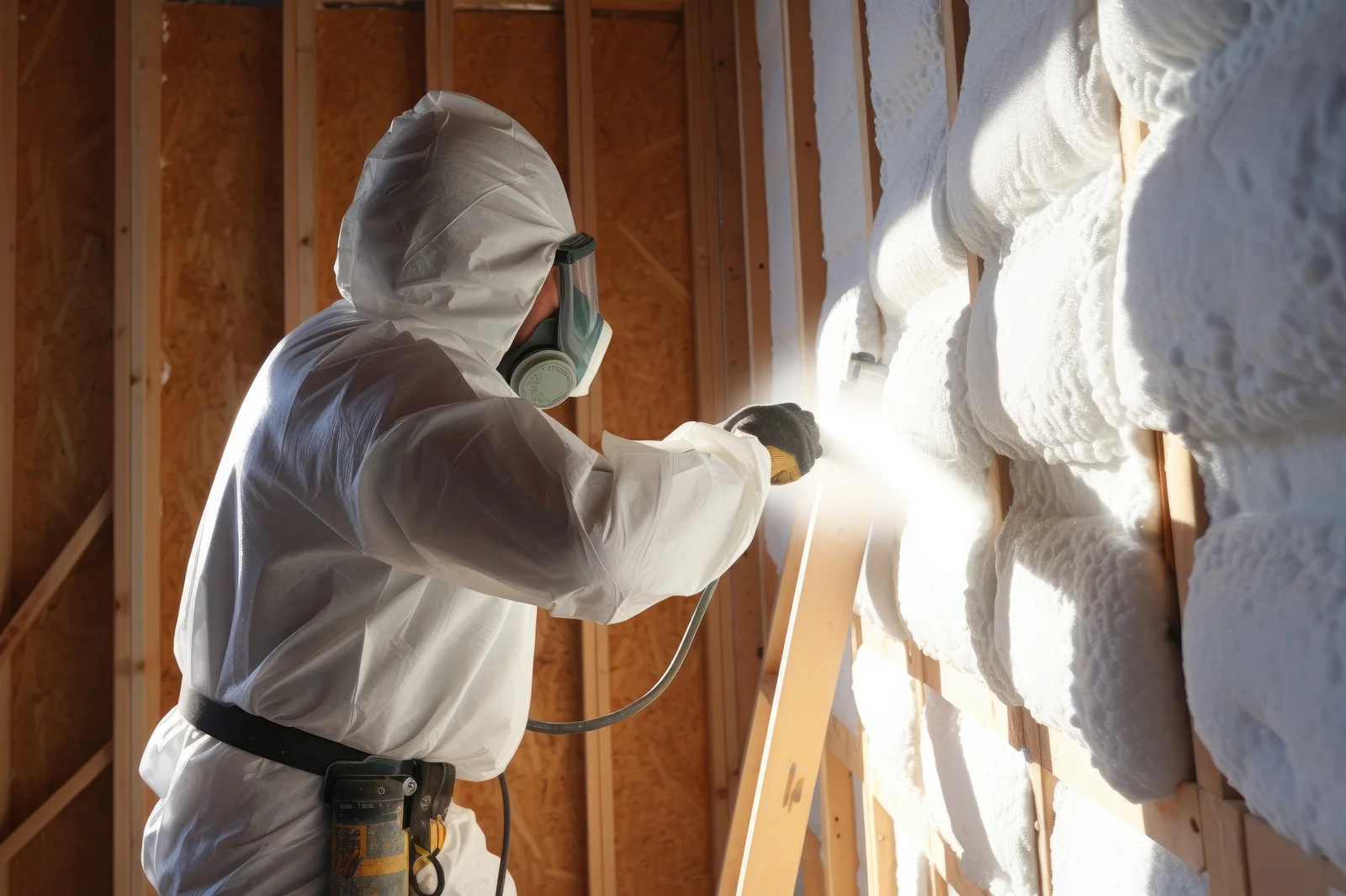
Spray polyurethane foam (SPF) is the gold standard for attic insulation, especially in a challenging climate like ours. It’s more than just insulation; it’s an all-in-one air and moisture barrier.
| Feature | Traditional Insulation (Fiberglass/Cellulose) | Spray Foam Insulation |
|---|---|---|
| Air Sealing | Does not stop air leakage. Requires separate, manual air sealing. | Expands to fill every gap, creating a monolithic air barrier. |
| Moisture Barrier | Can absorb and hold moisture, promoting mold and rot. | Closed-cell spray foam is waterproof and acts as a vapor barrier. |
| R-Value | R-3.0 to R-3.8 per inch. Degrades when wet or compressed. | R-3.8 (open-cell) to R-7.0 (closed-cell) per inch. Stable performance. |
| Structure | Adds no structural strength. | Closed-cell foam adds significant racking strength to the roof deck. |
Key Benefits for Preventing Ice Dams:
- Complete Air Sealing: This is the most critical benefit. Spray foam expands to fill every crack and crevice, completely stopping the warm, moist air from your home from escaping into the attic. It single-handedly eliminates the primary cause of ice dams.
- Moisture Barrier: In our humid environment, this is a game-changer. Closed-cell spray foam is impermeable to water, protecting your roof structure from the moisture that leads to rot and mold—a major New Orleans pain point.
- High R-Value: It provides maximum insulating power, ensuring a consistent thermal break between your home and the attic.
- Bonus: The same properties that stop winter heat loss are what make spray foam incredibly effective at blocking intense summer heat gain. This means your A/C runs less, saving you a significant amount on your cooling bills.
A Powerful Upgrade: High-Performance Blown-In Insulation
For homeowners looking for a highly effective and budget-friendly upgrade, modern blown-in insulation like fiberglass or cellulose is an excellent choice.
How it Works: Unlike old batts that leave gaps, blown-in insulation is installed using a specialized hose that fills the entire attic floor. It flows into tight corners and covers the ceiling joists, creating a seamless, uniform blanket of insulation.
Key Benefits for Preventing Ice Dams:
- Fills Gaps: It eliminates the thin spots and thermal bridges common with older insulation methods, dramatically improving thermal performance.
- Cost-Effective: It’s a fantastic option for topping up insufficient existing insulation or for achieving a high R-value without the higher upfront cost of spray foam.
Important Note: For blown-in insulation to be fully effective at preventing ice dams, it must be paired with professional air sealing of the attic floor first. Sealing the gaps before insulating ensures that you are not just covering up the air leaks that cause the problem.
Protect Your Home Year-Round with Sunlight Contractors
Preventing unexpected winter roof damage requires local expertise. For well over a decade, Sunlight Contractors has served the spray foam insulation and damage restoration needs of homeowners and businesses in Louisiana. We don’t just install insulation; we create a complete thermal envelope for your home. Our team of BPI-certified professionals understands how to properly insulate and ventilate New Orleans attics to prevent ice dams in the winter and slash energy bills in the summer.
And if you’ve already experienced damage from a leak, our moisture remediation services can help you recover and implement the solutions needed to ensure it never happens again.
Don’t Wait for a Leak – Schedule Your Free Attic Evaluation Today
The time to prepare for a winter freeze is now, not when there’s a sheet of ice on your roof and water dripping from your ceiling. Protect your biggest investment from the top down.
Contact the experts at Sunlight Contractors today for a no-obligation attic inspection. We’ll perform a thorough evaluation and show you exactly which insulation solution is right for your New Orleans home.
Call us now or fill out our online form to schedule your free estimate!