
What’s the Best Insulation for Louisiana’s “Cold” Climates? (And Our Hot, Humid Summers)
Meta Description: New Orleans homeowners, are you prepared for the next cold snap? Discover the best insulation type that keeps you warm in winter, cool in summer, and protects your home from humidity year-round.
That Surprise Winter Chill: Is Your New Orleans Home Really Prepared?
Remember that unexpected cold snap last January? The one that had you cranking the heat, stuffing towels under doors, and still feeling a draft? While New Orleans is famous for its heat, those chilly winter days reveal major weaknesses in a home’s defense. For over 18 years, Sunlight Contractors has seen firsthand how homes built for summer fail spectacularly when the temperature drops.
Here’s the truth: while we don’t face arctic winters, the “best type of insulation for cold climates” is actually the same insulation that tackles our biggest year-round enemy: humidity and air leakage. The draft that lets cold air in is the same one letting oppressive, humid air in come July.
This article will cut through the noise. We’ll compare the most common insulation types for New Orleans homes—specifically blown-in insulation and spray foam—to determine which is truly the best for handling both our brief “cold” seasons and our long, sweltering summers.
Key Takeaways
- The best insulation for Louisiana’s climate must address three things: heat transfer (R-value), air leakage, and moisture control.
- Air leakage is the primary source of discomfort and high energy bills in both winter and summer, letting cold drafts in and hot, humid air invade.
- Traditional insulation like fiberglass and cellulose can absorb moisture from our humid air, which drastically reduces its effectiveness and can lead to mold and mildew.
- Spray foam insulation is the superior solution for Louisiana because it creates a seamless, all-in-one thermal barrier, air barrier, and moisture barrier, solving all three problems at once.
Why Standard Insulation Often Fails in a Louisiana Climate
Many homes in our area are under-insulated with materials that simply aren’t designed for our unique environmental pressures. The problem goes far beyond just temperature control; it’s a battle against air and water.
The Air Leakage Problem: Your #1 Source of Discomfort
That draft you feel in January is a symptom of a much larger issue. Air leakage through countless tiny gaps, cracks, and penetrations in your home’s structure is your real enemy. These gaps, often found in attics, crawl spaces, and around plumbing and electrical fixtures, create a highway for air to move in and out.
In the winter, this means your expensive heated air escapes and cold air infiltrates. In the summer, the process reverses, and your air conditioner is forced to run constantly to fight the influx of hot, sticky air. You’re not just uncomfortable; you’re paying to condition the entire neighborhood. Sealing these leaks is the first and most critical step to gaining control over your home’s environment.
The Humidity Factor: More Than Just Feeling Sticky
Louisiana’s humidity is relentless, and it poses a serious threat to conventional insulation. Materials like fiberglass batts and blown-in cellulose insulation can act like sponges, absorbing moisture directly from the air.
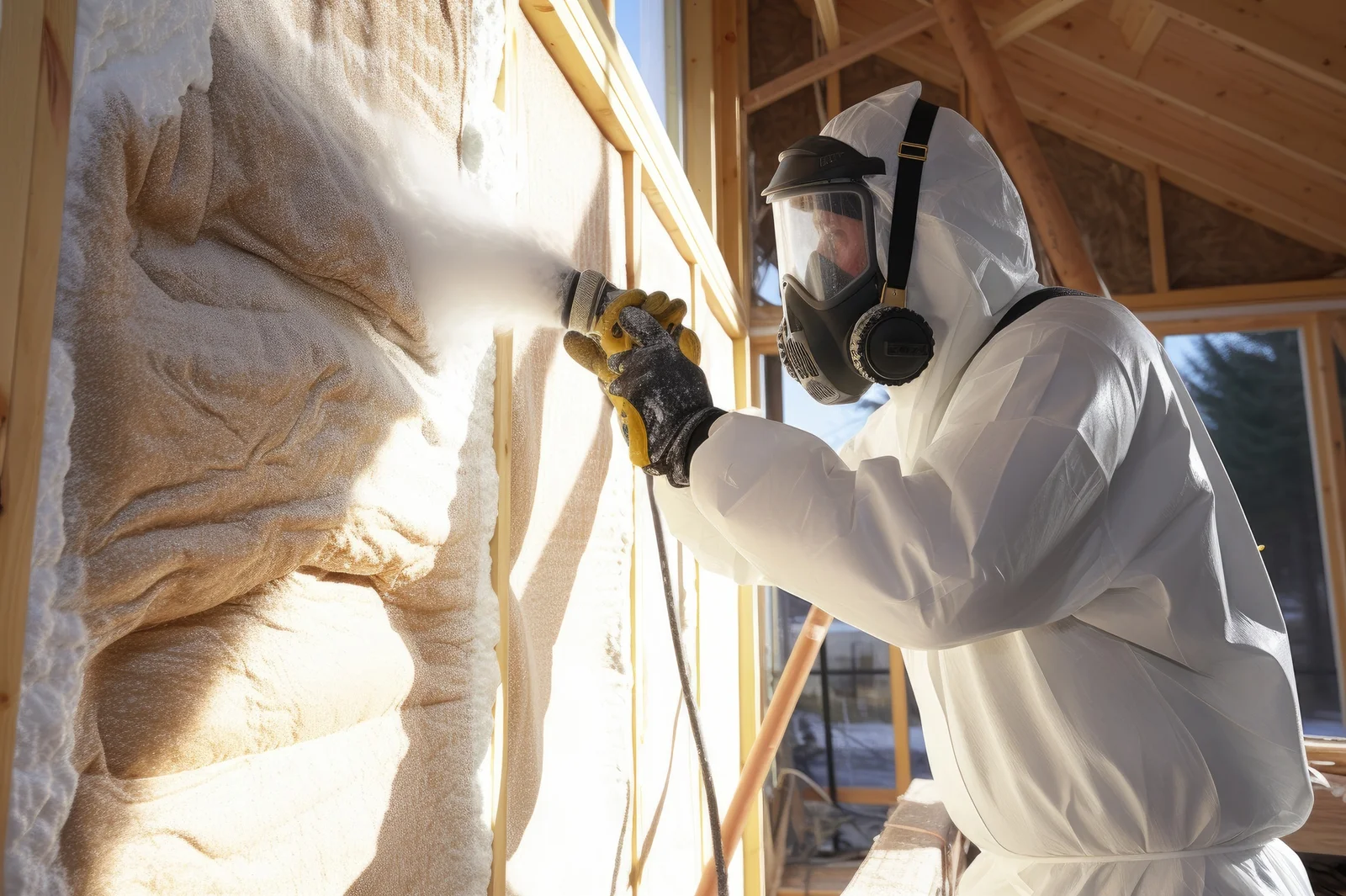
When insulation becomes damp, two things happen. First, its thermal resistance, or R-value, plummets. According to the U.S. Department of Energy, moisture can cause a significant reduction in insulation’s effectiveness. That means it stops doing its job of slowing heat transfer. Second, and more concerning for New Orleans homeowners, damp insulation becomes a perfect breeding ground for mold and mildew. This can lead to serious indoor air quality problems and costly moisture remediation.
The High Cost of Inefficiency
The combination of air leakage and compromised insulation leads directly to one place: your wallet. High energy bills for both heating in the winter and cooling in the summer are the clearest signs that your home’s thermal envelope is failing. It’s a year-round financial drain that stems from using the wrong materials to fight a year-round problem.
Insulation Showdown: Blown-In vs. Spray Foam for New Orleans
When it comes to upgrading your home’s insulation, the two most common choices are blown-in materials and spray polyurethane foam. While one offers a lower upfront cost, only one provides a comprehensive, long-term solution for the Louisiana climate.
Option 1: Blown-In Insulation (Cellulose & Fiberglass)
Blown-in insulation is exactly what it sounds like: loose-fill material, typically made of recycled paper (cellulose) or glass fibers (fiberglass), that is blown into attic floors or wall cavities using a specialized hose.
-
The Pros: The primary advantage of blown-in insulation is its lower initial installation cost. It can also be effective at filling empty spaces in existing walls and attics without major demolition.
-
The Cons for Our Climate:
- Settling: Over time, loose-fill insulation can settle and compact, creating gaps at the top of wall cavities and reducing its overall thickness and effectiveness.
- Moisture Vulnerability: This is its critical failure point in Louisiana. Blown-in insulation does not create an air or moisture barrier. It can absorb and hold humidity, leading to a loss of R-value and creating the potential for dangerous mold growth.
- Air Permeable: Air moves right through it. It slows heat transfer by convection within its fibers, but it does absolutely nothing to stop drafts and air leakage, which is the main source of energy loss and discomfort.
Option 2: Spray Foam Insulation (The Superior Solution)
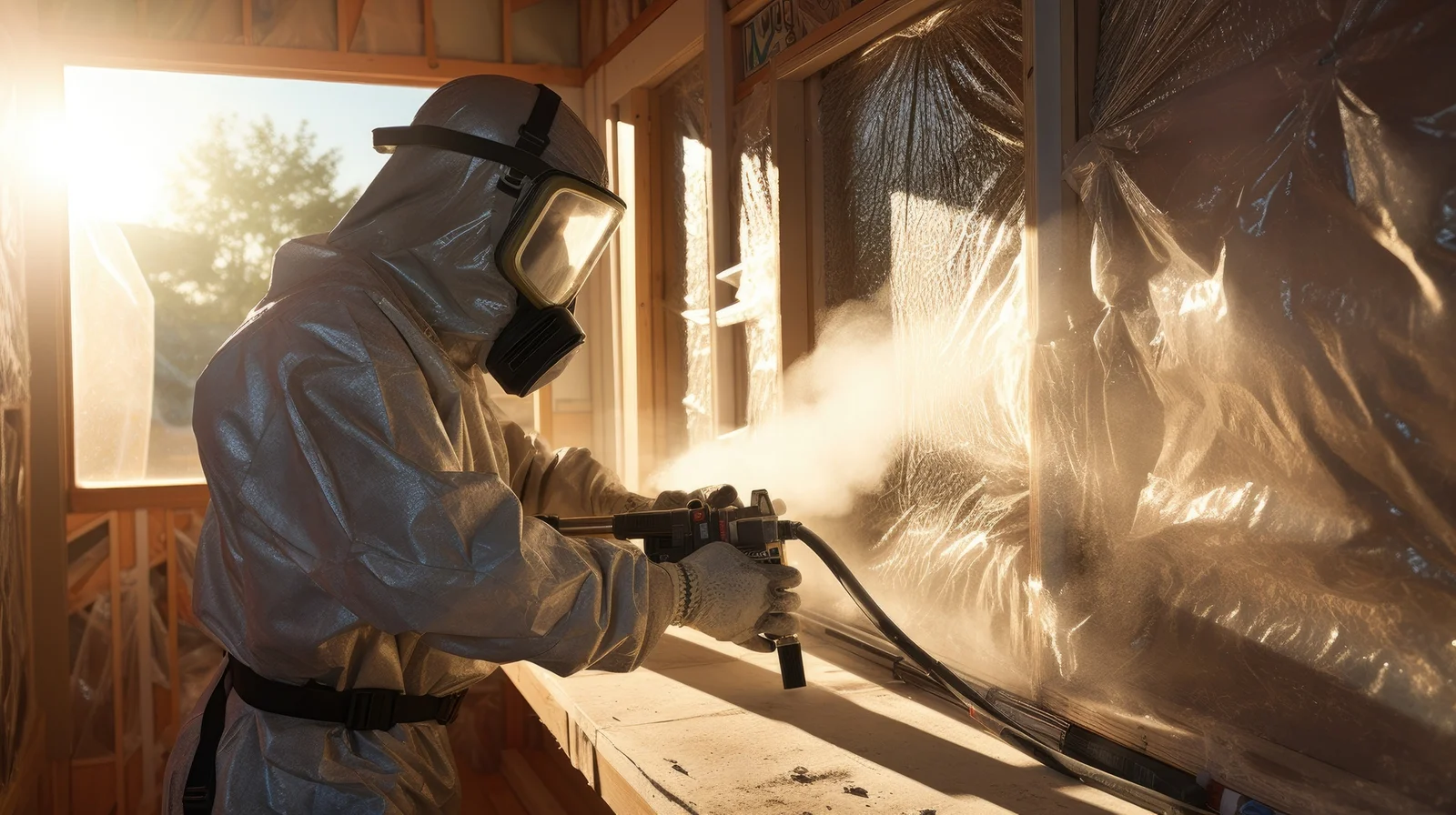
Spray foam insulation is a two-part liquid polymer that is sprayed into place. It reacts on contact, expanding up to 100 times its original size to create a solid, seamless, and permanent barrier. It’s not just insulation; it’s a fundamental upgrade to your home’s structure.
- The Pros for Our Climate (The Sunlight Contractors Advantage):
- Creates an Air-Tight Seal: This is the game-changer. Spray foam expands to fill every crack, crevice, and gap, completely stopping air leakage. This single benefit is the key to comfort in both cold and hot weather, dramatically reducing drafts and the workload on your HVAC system.
- Acts as a Moisture Barrier: Closed-cell spray foam is impermeable to water and moisture. It acts as a robust vapor barrier, preventing our humid air from entering your home’s structure and stopping mold growth at the source. This is a non-negotiable benefit for any home in our region, especially in crawl spaces and attics.
- Maintains R-Value: Because it’s a rigid, solid material that doesn’t absorb water, spray foam’s high R-value remains stable for the life of your home. It won’t sag, settle, or lose effectiveness.
- Adds Structural Strength: The rigid nature of closed-cell foam adds significant racking strength to walls and roof decks. This is an incredible secondary benefit in a region prone to high winds and storms, effectively helping to fortify your home.
| Feature | Blown-In Insulation (Cellulose/Fiberglass) | Spray Foam Insulation |
|---|---|---|
| Air Sealing | Poor (Air can pass directly through it) | Excellent (Creates a complete, monolithic air barrier) |
| Moisture Resistance | Poor (Absorbs moisture, promoting mold) | Excellent (Closed-cell foam is a moisture barrier) |
| R-Value Stability | Degrades with moisture and settling | Stable and permanent for the life of the structure |
| Longevity | Can settle over time, creating gaps | Permanent, rigid structure that does not degrade |
| Structural Support | None | Adds significant structural rigidity (Closed-cell) |
| Upfront Cost | Lower | Higher |
The Verdict: The Best Insulation for New Orleans is Spray Foam
When you look at the core challenges of the Louisiana climate—air leakage and humidity—the choice becomes clear. Blown-in insulation only addresses one part of the problem (thermal resistance) and does so in a way that is vulnerable to our biggest environmental threat (moisture).
Why Spray Foam is the Clear Winner for Louisiana Homes
Spray foam is the only material that provides a 3-in-1 solution:
- High-Performance Insulation: It effectively slows heat transfer.
- An Air Barrier: It stops drafts and air leakage completely.
- A Moisture Barrier: It blocks humidity and prevents mold.
While the initial cost of spray foam insulation may be higher, it’s a one-time investment. The long-term savings on energy bills, combined with the prevention of costly moisture and mold damage, provides a superior return on investment and peace of mind that other materials simply cannot match.
Choosing the Right Type: Open-Cell vs. Closed-Cell
Even within the world of spray foam, expertise matters. Open-cell and closed-cell foams have different properties and are best suited for different applications. Open-cell is excellent for soundproofing interior walls, while the denser, more rigid closed-cell foam is the superior choice for attics, crawlspaces, and any area requiring a robust moisture barrier and maximum R-value per inch.
Protect Your Home Year-Round with Sunlight Contractors
Choosing the right insulation is only half the battle. Proper installation is critical to getting the performance you pay for. A botched job can lead to serious problems, which is why you need a contractor you can trust. For over 18 years, Sunlight Contractors has been the trusted expert for spray foam insulation across Louisiana.
We have a deep understanding of Louisiana’s unique building challenges, from foundation issues to relentless moisture control. Our expertise isn’t just in insulation; it’s in creating a complete, high-performance building envelope that protects your home and your family. We don’t just sell a product; we provide a permanent solution.
Stop fighting a losing battle with comfort and high energy bills. Whether it’s a winter cold snap or the peak of summer heat, invest in a solution that works year-round. Contact Sunlight Contractors today for a comprehensive home evaluation and a free estimate on spray foam insulation.
Call Us:
Online: Request Your Free Estimate Today