

Beyond the Warranty: A Brutally Honest Guide to Spray Foam Longevity in Louisiana
Spray foam insulation is chemically designed to last the lifetime of your home, but its actual performance and longevity in Louisiana’s brutal climate depend entirely on a flawless, moisture-aware installation by a local expert.
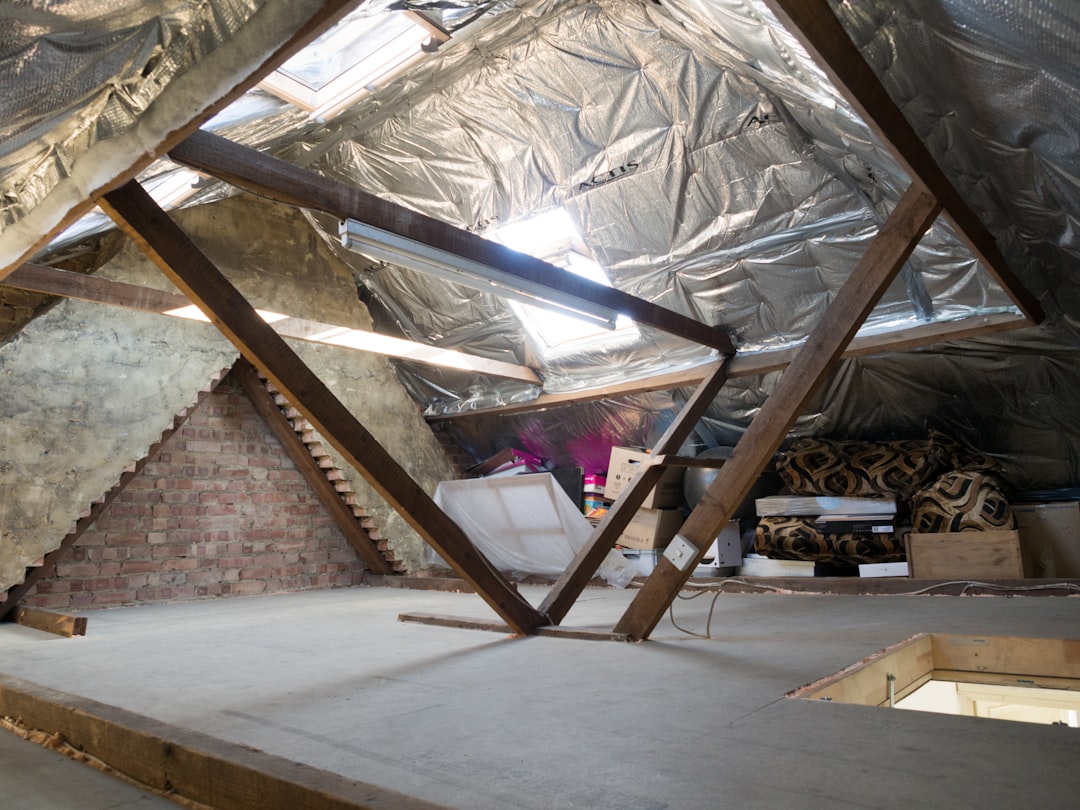
Let’s be honest. Most of us in Louisiana have a healthy skepticism for “lifetime warranties.” A piece of paper from a manufacturer in a climate-controlled state doesn’t mean much when you’re staring down 95% humidity in August or boarding up for another hurricane season. Our environment is uniquely brutal on building materials, from the historic homes in the French Quarter to the new constructions in Mandeville.
The real question isn’t “how long does the foam last?” The chemical compound is incredibly stable. The question you should be asking is, “how long will it perform in my New Orleans home?” The answer has almost nothing to do with that warranty and everything to do with the science of the installation.
For over 18 years, Sunlight Contractors has been on the front lines, installing and inspecting spray foam insulation across Louisiana. We’ve seen what works, what fails, and exactly why. We’ve been in the sweltering attics in Metairie and the damp crawl spaces in Slidell. This is our brutally honest guide, based on decades of in-the-attic experience, to what truly determines spray foam longevity in our unique environment.
Key Takeaways
- Spray foam material itself is chemically stable and can easily outlast your home; its performance, however, is 100% dependent on the quality of the installation.
- In Louisiana, the biggest threats to spray foam’s effectiveness are improper application that traps moisture, unaddressed roof leaks, and pest intrusion—not chemical breakdown.
- The choice between open-cell and closed-cell foam has significant long-term implications for moisture management, structural integrity, and flood resilience in the New Orleans area.
- An experienced, local installer who understands Louisiana’s building science is more valuable than any manufacturer’s warranty.
TL;DR
Spray foam insulation is designed to last the lifetime of your house, but its actual performance and longevity in Louisiana’s harsh climate depend entirely on a flawless installation. Factors like humidity, potential for flooding, and pests mean that the installer’s local expertise is the most critical component for ensuring your investment pays off for decades.
A Spray Foam Warranty Is Only as Good as the Installation
A manufacturer’s “lifetime” warranty on spray foam is fundamentally limited, covering only the chemical properties of the material under ideal conditions, not the on-site application which is the primary point of failure. That warranty guarantees the foam won’t shrink or crack in a lab. It says nothing about how it will perform when sprayed onto a dusty, damp surface in a Baton Rouge attic on a 90-degree day.
The warranty doesn’t cover:
- Improper Application: The single biggest reason for failure.
- Off-Ratio Mixing: When the two chemical components aren’t mixed perfectly, resulting in a spongy, useless mass that won’t cure.
- Moisture Issues: Problems caused by a bad installation that traps humidity inside your walls.
Think of it this way: the installer is the manufacturer. Spray foam isn’t a product you buy off a shelf; it’s a chemical reaction created on-site. The technician’s skill, the calibration of their multi-million dollar equipment, and their understanding of the surface they’re spraying are what create the final, effective product. We’ve been called to fix countless jobs by unqualified contractors where the foam was practically useless from day one.
Louisiana’s Climate vs. Your Insulation
In Louisiana’s relentless humidity and heat, spray foam’s longevity is less about the product itself and more about its ability to manage moisture and thermal pressure, a task entirely dependent on the installer’s expertise. Our climate is an active force working against your home’s building envelope, and a shoddy insulation job will fail quickly.
The Humidity Challenge: The air here is thick with water. An expert installer knows how to read the ambient conditions and adjust their process accordingly. Applying spray foam when humidity is too high can affect the curing process, leading to poor adhesion and diminished performance. It’s a science, not just pointing a hose. Proper installation is key to dehumidification and insulation working together.
Heat & Your Attic: The radiant heat in a Louisiana summer attic can be brutal, easily exceeding 140°F. A proper spray foam installation creates a complete, monolithic air seal. This stops the superheated attic air from infiltrating your living space, which is the key to its effectiveness. A poor job full of gaps and cracks will be put under immense thermal pressure, allowing heat to pour in and rendering the insulation ineffective. This is especially critical in an unvented attic design, where the seal must be perfect.
Hurricane & Storm Resistance: This is where longevity goes beyond just energy bills. A proper installation of closed-cell spray foam does more than insulate; it adds structural racking strength to a roof deck by adhering the sheathing to the rafters. In a region stretching from the Mississippi Gulf Coast to Lake Charles, this added resilience against hurricane-force winds is a critical, long-term benefit that a warranty will never mention. It’s about fortifying your home against the storm.
The Real Threats to Your Spray Foam’s Performance
Beyond the rare chemical breakdown of the material, the true threats to your spray foam’s long-term performance in Louisiana are poor installation, unaddressed water leaks, and pest infestation. The foam itself is durable; it’s the external factors that compromise its function.
The Silent Killer: Hidden Leaks: A slow roof leak is a home’s worst enemy. With traditional insulation, you might see a water stain on your ceiling relatively quickly. With closed-cell spray foam, which resists water, the leak can go undetected for much longer. The water can saturate the roof decking and rafters behind the foam, leading to significant rot before you ever see a symptom. This isn’t a failure of the foam—it’s a failure of home maintenance. Regular roof inspections are non-negotiable.
Pests and Foam: We get this question constantly: “Do termites eat spray foam?”
A Barrier, Not a Meal
Let’s be clear: spray foam is not a food source for termites, roaches, or rodents. It’s an inert plastic. They don’t eat it for sustenance.
The Risk of Hidden Pathways
However, pests can tunnel through foam. Subterranean termites, in particular, can chew through it to create hidden pathways from the ground to the wood structure of your home. This is why the quality of the installation is paramount. A meticulous installer ensures a tight, continuous seal against the foundation and framing, minimizing gaps and potential entry points. A sloppy job leaves highways for pests to travel undetected. Proper sealing is the first line of defense to protect your home from termite swarms.
Open-Cell vs. Closed-Cell: A Critical Louisiana Choice
While both open-cell and closed-cell foams are designed to last the life of your home, their vastly different properties mean they respond uniquely to Louisiana-specific challenges like flooding and structural demands. Choosing the right one for the right application is a crucial longevity decision.
| Feature | Open-Cell Spray Foam | Closed-Cell Spray Foam |
|---|---|---|
| Water Management | Spongy texture; allows water to pass through. A roof leak will become visible faster. | Rigid texture; acts as a water and vapor barrier, rejecting bulk water. |
| Flood Resilience | Will become saturated in a flood and must be completely removed and replaced. | Can survive flooding. Once the area is cleaned and dried, it remains effective. |
| Structural Strength | Flexible and soft; offers no significant structural reinforcement. | Dense and rigid; adds significant racking strength to walls and roof decks. |
| R-Value | Lower R-value per inch (approx. R-3.7). | Higher R-value per inch (approx. R-6.5 to R-7). |
| Best Use in LA | Sound dampening in interior walls; attics where leak detection is a top priority. | Roof decks for hurricane resistance; crawl spaces and foundation walls to block moisture and protect against flooding. |
| Longevity Concern | Total loss in a flood event. | Can hide leaks if not paired with diligent home maintenance. |
Sunlight Contractors: Mastering the Science Warranties Don’t Cover
With over 18 years of direct experience in New Orleans and across Louisiana, Sunlight Contractors ensures spray foam longevity by mastering the application science and local building conditions that product warranties simply don’t cover. We aren’t just installers; we are building science experts who have served homeowners and businesses in New Orleans, Metairie, the Northshore (Mandeville, Covington, Slidell), Baton Rouge, and even the Mississippi Gulf Coast. We understand the unique construction of our region’s homes, from historic shotgun houses with challenging access to modern constructions with complex rooflines.
Our process is built for longevity:
The Pre-Installation Audit
We don’t just show up and spray. We conduct a thorough assessment of your home, checking for existing moisture issues, inadequate ventilation, and the condition of the substrate. This is about diagnosing the house before prescribing the solution, a step often skipped by less experienced outfits. An energy audit can be a critical first step.
Precision and Technology
Our SPFA-certified technicians use state-of-the-art Graco reactors and equipment to ensure the foam is mixed perfectly “on-ratio” and applied at the correct temperature every single time. This technical precision is the difference between an inert barrier that lasts a century and a chemical mess that needs to be torn out. This is why you must hire a licensed, certified contractor.
Beyond Insulation
We understand that insulation is just one part of a complex system. We analyze how the spray foam will integrate with your entire home—your HVAC system, your roof’s integrity, and your foundation’s moisture load. This holistic approach to the building envelope is the secret to true, long-term performance and energy savings.
Invest in the Expert, Not Just the Product
A manufacturer’s warranty is a baseline, a starting point. But in Louisiana, it’s not enough. It won’t protect you from the installer who cuts corners or doesn’t understand how to manage our oppressive humidity. The longevity, performance, and ultimate value of your spray foam investment rest squarely on the shoulders of the team you hire. Their local experience, technical mastery, and deep understanding of our climate are what will truly protect your home and your wallet for decades to come.