

The Uninsurable Louisiana Home: How Outdated Insulation Gets Policies Canceled
Outdated insulation is a primary reason Louisiana insurance carriers cancel or refuse to renew homeowner policies, as materials like old fiberglass and cellulose retain moisture, attract pests, and pose fire risks in a high-humidity, storm-prone climate.
Introduction: The Dreaded Letter Every Louisiana Homeowner Fears
You know the feeling. You walk to the mailbox on a sweltering New Orleans afternoon, and among the junk mail is a thick envelope from your homeowner’s insurance company. Your stomach drops. It’s not a bill. It’s a notice of non-renewal or, worse, outright cancellation. The panic and frustration are immediate and all too real for thousands of homeowners across Louisiana.
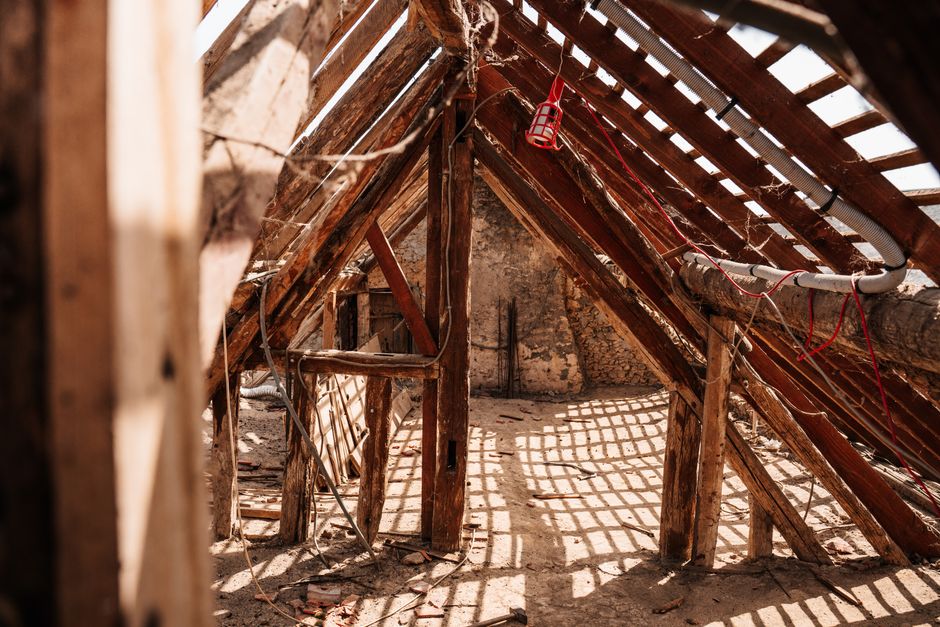
While hurricanes and a history of claims are the obvious suspects, a hidden culprit is lurking in your attic and walls, quietly making your home a high-risk property: your outdated insulation. This isn’t just about high energy bills anymore; it’s about the fundamental insurability of your biggest investment.
For over 18 years, Sunlight Contractors has been on the front lines, helping Louisiana homeowners navigate these exact challenges. We are not just an insulation company; we are a home performance and resilience expert. We specialize in identifying and replacing the problematic insulation that puts your home and your insurance policy at risk. We provide modern solutions like spray foam insulation and high-performance blown in insulation to protect your home from the climate and the volatile insurance market.
Key Takeaways
- Insurance companies in Louisiana are aggressively dropping policies for homes they deem high-risk, and outdated insulation is a major red flag.
- Old insulation, like aging fiberglass batts or cellulose, acts like a sponge for humidity, leading to mold, rot, and structural damage that insurers refuse to cover.
- Modern insulation, particularly closed-cell spray foam, not only improves energy efficiency but also adds a critical layer of moisture resistance and structural integrity that makes your home more attractive to insurers.
- A professional insulation inspection can identify these hidden risks before they trigger a policy cancellation.
- Upgrading your insulation is a proactive investment in your home’s insurability and a crucial step to lower your long-term risk in an unpredictable market.
TL;DR
Outdated insulation in Louisiana homes, such as old fiberglass or cellulose, often absorbs moisture from our humid climate, harbors pests, and can pose a fire risk. Insurance companies view this as a significant liability, especially in a storm-prone region, leading them to cancel policies or refuse coverage to minimize their risk. Upgrading to modern, professionally installed insulation like closed-cell spray foam mitigates these specific risks, making your home more resilient, safer, and ultimately, insurable.
Why Your Old Insulation is a Red Flag for Insurers
Outdated insulation materials like old fiberglass batts and cellulose are now considered major liabilities by insurance carriers due to their high risk of moisture retention, pest infestation, and fire hazard.
The Moisture & Mold Connection
In Louisiana’s oppressive humidity, old insulation acts like a sponge. Porous materials like fiberglass batts and loose-fill cellulose absorb and trap airborne moisture day after day. This moisture doesn’t just sit there; it creates the perfect dark, damp environment for hidden mold and mildew to thrive within your attic and wall cavities.
This is a nightmare scenario for an insurance underwriter. Chronic moisture leads directly to wood rot and the slow, silent decay of your home’s structural components—from roof decking and rafters to wall studs. This isn’t minor cosmetic damage; it’s the kind of catastrophic, expensive failure that insurance companies will do anything to avoid covering. They see old, damp insulation as the first domino to fall in a very costly claim.
A Welcome Mat for Pests
To rodents, termites, and other pests, that soft, dusty old insulation in your attic is a five-star hotel. It provides ideal nesting material, offering warmth and shelter. As these pests burrow and nest, they shred and compress the insulation, completely destroying its thermal performance.
But the damage doesn’t stop there. This infestation creates pathways for pests to chew through wiring, damage plumbing, and compromise the wooden structure of your home. A pest-infested attic isn’t just a nuisance; it’s a massive liability that signals poor maintenance and a high probability of future claims for an insurer.
The Hidden Fire Risk
Over the years, old insulation becomes laden with dust and debris, which can become highly combustible. If this insulation shifts or settles—a common occurrence in older homes—it can come into direct contact with hot recessed lighting fixtures or faulty, outdated wiring. This creates a significant, hidden fire risk.
Furthermore, some older forms of cellulose insulation may not have the same modern, stringent fire-retardant treatments they do today. Insurance inspectors are trained to spot these hazards. The potential for an attic fire, originating from something as simple as old insulation, is a risk most carriers in Louisiana are no longer willing to take.
How Louisiana’s Climate & Insurance Market Magnify the Problem
In the wake of recent hurricane seasons, Louisiana insurance companies are aggressively reducing their risk by dropping homes that don’t meet modern resiliency standards, with attic and wall insulation being a primary inspection point.
The Post-Hurricane Scrutiny
Welcome to the new reality in Louisiana: insurers are no longer passively renewing policies. They are actively sending inspectors to homes across New Orleans, Metairie, Mandeville, and Baton Rouge to look for reasons not to renew. They are shedding risk, and your home is under the microscope.
The attic is one of the first and easiest places for an inspector to find problems. They’re looking for signs of “deferred maintenance,” and nothing screams that louder than water-stained, compressed, or contaminated insulation. After a storm, any sign of roof wind damage or leaks will be magnified by the condition of your insulation, giving them all the evidence they need to justify a non-renewal.
Failing the “Four-Point Inspection”
Many insurers now require a “four-point inspection” before renewing a policy on an older home. This inspection focuses on four critical systems: the Roof, HVAC, Electrical, and Plumbing. While insulation isn’t one of the “four points” by name, its condition directly impacts the report.
- Roof: Water-stained insulation is immediate proof of a roof leak, potentially leading to a failing grade.
- Electrical: Old, dusty insulation packed around wiring and junction boxes is a fire hazard that will be noted by any competent inspector.
A poor report on any of these points, heavily influenced by the state of your attic, can be an automatic trigger for cancellation. You may have a perfectly good roof, but if the insulation beneath it tells a story of past leaks and moisture, you’re at risk.
Skyrocketing Premiums: The Final Warning
If you haven’t received a cancellation letter yet, you may have received a bill for a massively increased premium. Don’t mistake this as just a market-wide adjustment. It’s often a direct signal from your insurer that they now classify your home as a high-risk property. They are essentially pricing you out, hoping you’ll find coverage elsewhere. This is often the last step before they decide to drop your policy altogether.
The Solution: Making Your Home Insurable with Modern Insulation
Upgrading to modern insulation like closed-cell spray foam or high-performance blown-in fiberglass directly addresses insurers’ top concerns by creating an air and moisture barrier, deterring pests, and improving structural integrity.
Spray Foam Insulation: The Gold Standard for Resiliency
When it comes to making your home resilient and insurable, closed-cell spray foam is the undisputed leader. Its benefits directly counter every major risk that insurers hate.
| Feature | Old Insulation (Fiberglass/Cellulose) | Closed-Cell Spray Foam |
|---|---|---|
| Moisture Resistance | Absorbs and holds moisture like a sponge | Waterproof; acts as a vapor barrier |
| Pest Resistance | Ideal nesting material for rodents & insects | Rigid, dense, and inedible to pests |
| Structural Integrity | Offers no structural support | Acts as a rigid adhesive, strengthening the roof deck |
| Air Sealing | Allows significant air leakage | Creates a complete air seal, stopping drafts |
Because it’s waterproof and rigid, closed-cell spray foam does not support mold growth. It also acts like a glue, strengthening the bond between your roof deck and rafters—a massive benefit for hurricane wind mitigation that is highly valued by insurers. It is, simply put, the most powerful upgrade you can make to fortify your home.
Blown-In Insulation: A Powerful and Cost-Effective Upgrade
For homeowners looking for a significant and affordable improvement, modern blown-in fiberglass or cellulose insulation is an excellent solution. It is far superior to old, failing batts.
Unlike batts that leave gaps and seams, blown-in insulation fills every crack and crevice in your attic, creating a complete and seamless thermal barrier. Critically, modern blown-in materials are treated to be fire, moisture, and pest-resistant, directly addressing the key liabilities that lead to policy cancellations. It’s a smart, effective way to bring your home up to modern standards.
Why Professional Removal & Installation is Non-Negotiable
This is not a DIY project. Insurance companies want to see that any upgrades were performed to code by certified, licensed professionals. A botched installation can create new problems, and insurers know it.
Furthermore, the safe and complete removal of old, potentially contaminated insulation is a critical first step. You cannot simply cover up a problem. A professional team ensures the old material is disposed of properly and the new system is installed for maximum performance and safety, providing the clean bill of health your home needs to be insurable. Hiring an unqualified contractor can lead to even bigger problems down the road.
Sunlight Contractors: Your Partner in Securing Your Home and Your Policy
For over 18 years, Sunlight Contractors has been the trusted expert for homeowners and contractors across New Orleans and Louisiana, specializing in insulation upgrades that meet and exceed the stringent requirements of today’s insurance market.
Serving Our Neighbors Across Louisiana and Mississippi
We are a local company that understands the unique challenges our climate presents. We are proud to serve communities throughout the region, including New Orleans, Metairie, Kenner, Mandeville, Covington, Slidell, LaPlace, Gretna, Marrero, Baton Rouge, Zachary, and into Mississippi, including Bay St. Louis and Picayune.
More Than Just Insulation
Our deep expertise in the building envelope makes us a holistic home performance company dedicated to protecting your entire property. We don’t just sell insulation; we provide comprehensive solutions. Our services include fireproofing to protect your home’s structure, renovations to repair existing damage, and even foundation repair to address underlying issues. This broad knowledge ensures we identify the root cause of your home’s problems, not just the symptoms.
What to Expect from a Sunlight Contractors Assessment
When you call us, you get an expert, not a salesperson. A certified technician will conduct a thorough inspection of your current insulation and attic system. We will identify the specific risk factors that concern insurance carriers, provide you with clear photographic evidence of any issues, and present a detailed plan and quote to solve the problem permanently. There’s no pressure—just honest, expert solutions designed to protect your home.
Don’t Wait for a Cancellation Letter. Secure Your Louisiana Home Today.
Your home’s insulation is no longer just about comfort or energy bills; it is a critical factor in your ability to maintain homeowner’s insurance in Louisiana. In this market, being proactive is not a luxury—it’s a necessity. Addressing outdated and failing insulation is one of the smartest, most valuable investments you can make in your property’s future. It protects your home from the elements and protects your finances from the volatility of the insurance industry. Don’t risk facing a future with an uninsurable home. Take control of the situation today.