
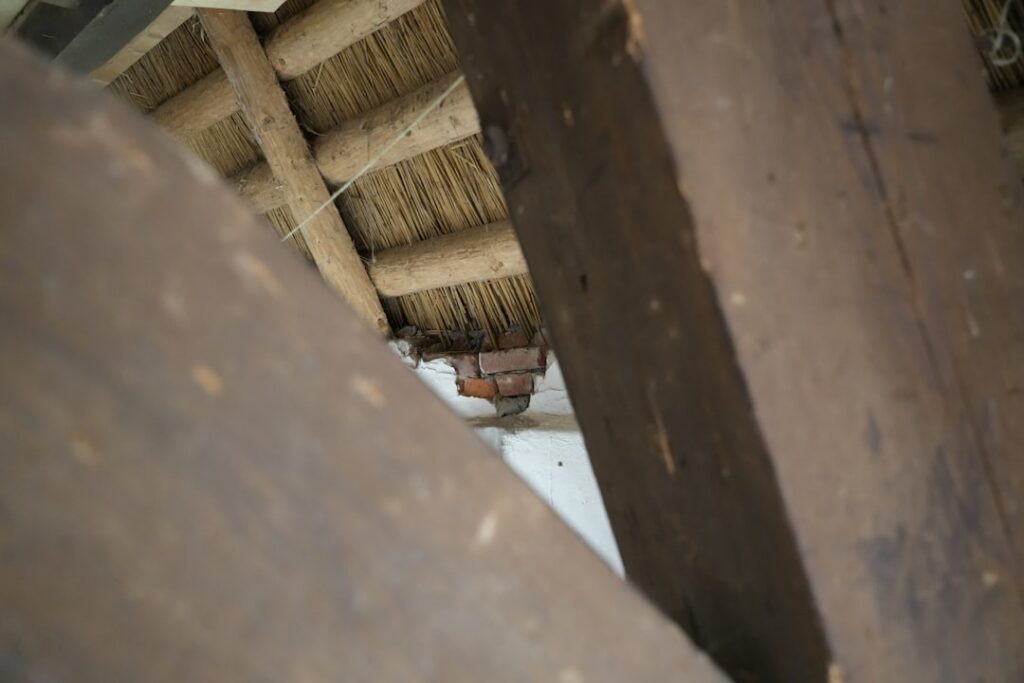
Beyond High Bills: How Failing Insulation Causes Hidden Structural Rot in New Orleans Homes
Author: Sunlight Contractors
Published On: [Date]
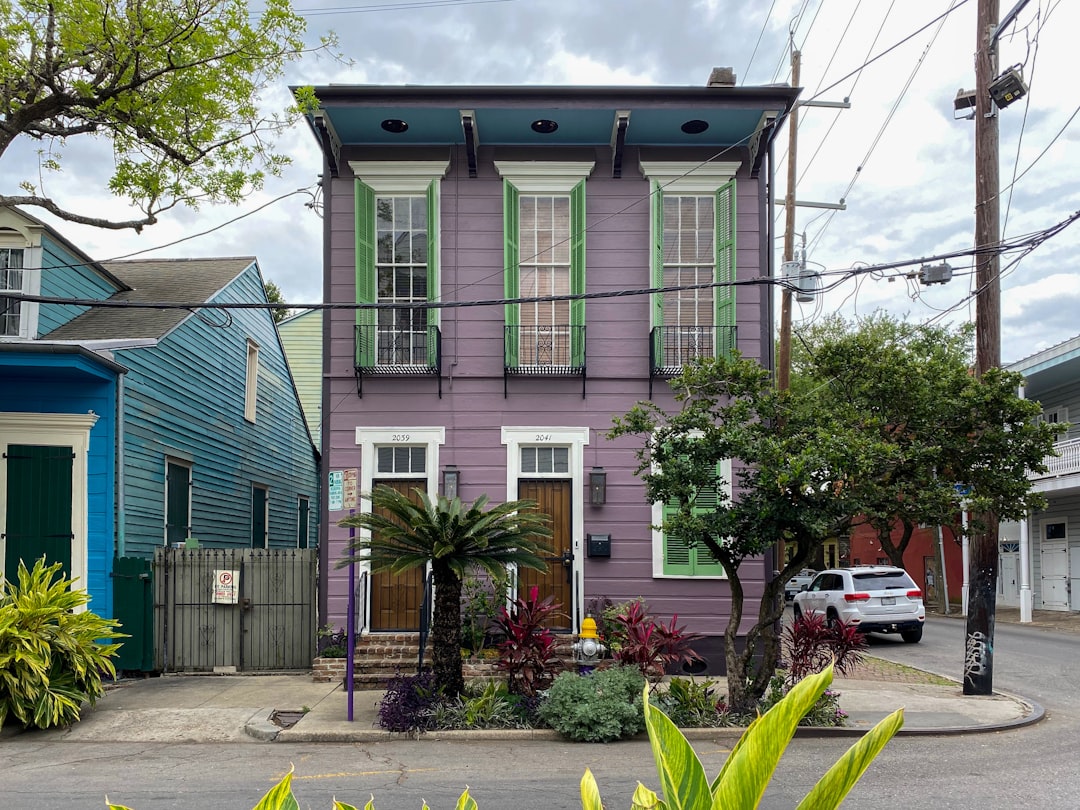
In New Orleans, failing insulation like fiberglass traps humidity against your home’s wood frame, causing hidden structural rot that goes far beyond high energy bills.
The air conditioner runs constantly, but your house still feels damp and sticky. You blame another oppressive New Orleans summer, but the real problem is likely lurking unseen within your walls and attic. While the high energy bills are frustrating, they are often a symptom of a far more destructive issue: failing insulation that is actively trapping moisture and causing hidden structural rot.
For over 18 years, Sunlight Contractors has been the trusted expert for homeowners across Louisiana, diagnosing these hidden issues and providing permanent solutions. We don’t just fix the symptoms; we solve the core problem to protect your home’s value and your family’s health. We have seen firsthand how inadequate insulation leads to costly damage restoration and even foundation repair, and we have the expertise to stop the cycle.
Key Takeaways
- New Orleans’ high humidity constantly attacks your home, and traditional insulation like fiberglass can act like a sponge, trapping moisture against your home’s wooden frame.
- This trapped moisture leads to condensation, mold growth, and eventually, structural rot that can compromise floor joists, wall studs, and roof decking.
- Signs of failing insulation and hidden rot go beyond high bills and include musty smells, warped floors, and peeling paint.
- Closed-cell spray foam insulation is the superior solution for the Gulf Coast climate, as it creates an impenetrable air and moisture barrier, preventing rot and strengthening your home.
- A comprehensive solution requires a contractor who understands both insulation and damage restoration, like Sunlight Contractors.
TL;DR
In New Orleans’ humid climate, old or improper insulation absorbs moisture, leading to hidden mold and wood rot that can destroy your home’s structure. Closed-cell spray foam insulation from an experienced local expert like Sunlight Contractors creates a moisture barrier that stops this destructive cycle, protecting your home and lowering your energy bills.
The New Orleans Climate is Uniquely Aggressive Towards Your Home’s Structure
The unique environmental challenges in New Orleans mean your home is in a constant, unavoidable battle against moisture. This isn’t just about comfort; it’s about the physical integrity of your house.
The Unrelenting Humidity: A Constant Threat
New Orleans’ subtropical climate means high humidity is a year-round issue. This moisture-laden air is always trying to get inside your home through countless cracks and gaps, creating a high-stakes environment for building materials, especially wood. This isn’t a seasonal problem; it’s a daily assault that your home’s building envelope must withstand.
Historic Homes, Modern Problems
The beautiful housing stock in New Orleans, from Uptown mansions to French Quarter cottages, has unique vulnerabilities. Many homes rest on pier-and-beam foundations with vented crawl spaces, an outdated design that actively invites humid air and ground moisture to enter the structure from below. Older construction methods often lack the modern air-sealing techniques that are standard today, making them even more susceptible to moisture intrusion.
The Vicious Cycle of Condensation
The science is simple and destructive. When warm, humid outdoor air infiltrates your walls, attic, or crawl space and hits a cooler, air-conditioned surface—like the back of your drywall or your HVAC ductwork—the moisture in the air condenses into liquid water. This is the same effect you see on a cold glass of sweet tea on a summer day. Inside your walls, this condensation creates a perfect, perpetually damp environment for mold, mildew, and wood-destroying fungi to thrive.
Failing Insulation Acts as a Sponge for Moisture, Directly Fueling Structural Rot
The insulation in your home is meant to be a barrier against heat transfer, but in our climate, the wrong kind of insulation becomes an accomplice to structural decay.
How Traditional Insulation (Fiberglass & Cellulose) Fails in High Humidity
Common insulation materials like fiberglass batts and blown-in cellulose are air-permeable. They don’t stop air movement; they only slow heat transfer. In high humidity, they absorb and hold moisture, which drastically reduces their insulating R-value and turns them into a damp blanket pressed directly against your home’s wooden frame. Once fiberglass gets wet, it loses much of its insulating power and can take a very long time to dry out, if ever, within an enclosed wall cavity.
The Telltale Signs of Hidden Damage
The problem often starts silently, but eventually, the symptoms become impossible to ignore. Look for these warning signs that your insulation is failing and potentially causing hidden damage:
- Persistent Odors: A musty or mildewy smell that you can’t seem to locate, often stronger in closets or specific rooms.
- Flooring Issues: Warped hardwood floors, cupping boards, or soft, spongy spots in the subfloor are classic signs of crawl space moisture problems.
- Wall and Ceiling Stains: Discoloration or water stains appearing on interior surfaces with no obvious roof leak.
- Peeling Paint: Bubbling or peeling paint on interior walls is often caused by moisture wicking through the drywall from within the wall cavity.
- Health Issues: An increase in indoor allergies, asthma attacks, or other respiratory issues can be linked to poor indoor air quality caused by hidden mold growth.
From Damp Insulation to Decaying Wood: The Progression of Rot
The process is a slow-motion disaster. The constant moisture held in the failing insulation feeds wood-destroying fungi. This fungus breaks down the cellulose and lignin—the very components that give wood its strength. Over time, this rot weakens floor joists, wall studs, and roof sheathing, leading to sagging floors, compromised walls, and the potential for catastrophic structural failure. What starts as a simple insulation problem can end with a five-figure repair bill.
Spray Foam Insulation Creates an Air and Moisture Barrier That Traditional Methods Cannot Match
To win the war against moisture in the Gulf Coast, you need an insulation material that does more than just resist heat—it must stop air and water completely.
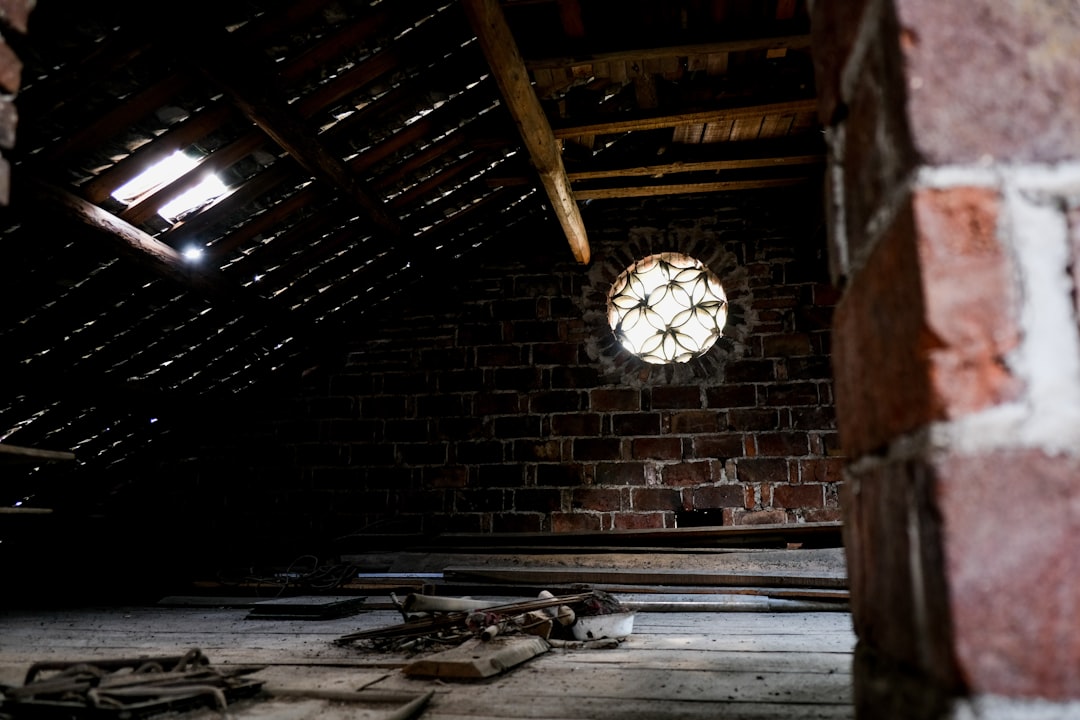
The Superior Solution: Closed-Cell Spray Foam
Closed-cell spray foam insulation is fundamentally different from traditional materials. It is a two-in-one insulator and moisture barrier. When applied, it expands to fill every crack and crevice, creating a monolithic, airtight seal. Its rigid, closed-cell structure makes it waterproof and impermeable to vapor. It doesn’t just insulate; it adds significant structural integrity to the building assembly, effectively gluing your walls and roof deck together. This makes it an ideal choice for building resilient structures against extreme weather.
Comparing Insulation for the Gulf Coast Climate
When you look at the properties essential for our region, the choice becomes clear.
| Feature | Closed-Cell Spray Foam | Fiberglass / Cellulose |
|---|---|---|
| Moisture Resistance | Impermeable (Waterproof) | Absorbent (Acts like a sponge) |
| Air Sealing | Excellent (Creates an air barrier) | Poor (Air passes through it) |
| R-Value Stability | Stable (Unaffected by moisture) | Degrades significantly when damp |
| Structural Support | Adds significant racking strength | Provides no structural value |
Blown-in Insulation: When is it the Right Choice?
While closed-cell spray foam is the ultimate solution for moisture-prone areas, blown-in insulation (either fiberglass or cellulose) can be a cost-effective option for certain applications. It is best suited for dry, protected areas like attic floors, where its primary job is to slow heat transfer from the attic into the living space below. However, for the areas most vulnerable to moisture—crawl spaces, rim joists, and rooflines in New Orleans—closed-cell spray foam is the only reliable long-term solution.
A Whole-Home Approach is Essential for Protecting Your New Orleans Property Investment
Solving moisture and rot problems requires a holistic strategy that addresses the entire building as a system, not just one isolated area.
It’s Not Just the Attic: Insulating Crawl Spaces and Walls
A “bottom-up” approach is critical, especially for the thousands of pier-and-beam homes in our area. The crawl space is the single biggest source of moisture intrusion in these houses. Encapsulating the crawl space with closed-cell spray foam on the underside of the subfloor is the most important step to stop ground moisture from rising into the home, protecting your floor joists and improving indoor air quality.
When Rot is Found: The Need for Damage Restoration
If an inspection reveals existing rot, you need a contractor who can do more than just insulate. This is a critical distinction. Simply spraying foam over rotted wood is a recipe for disaster. Sunlight Contractors has the expertise to perform the necessary damage restoration and moisture remediation, replacing rotted wood and ensuring the home is structurally sound before installing the new insulation. We are a full-service contractor, handling everything from structural repairs to final insulation.
Serving Our Neighbors Across Louisiana and Mississippi
This isn’t a problem unique to one neighborhood; it’s a regional challenge. From the French Quarter to the Northshore and beyond, Sunlight Contractors is proud to serve homeowners and businesses in New Orleans, Metairie, Kenner, Slidell, Mandeville, Covington, Baton Rouge, and even our neighbors in Bay St. Louis and Picayune, MS. We understand the unique challenges of our entire region because we live and work here.
Partnering with an Experienced Local Contractor is Your Best Defense Against Structural Rot
Choosing the right material is only half the battle; choosing the right installer is what guarantees a successful outcome.
Why 18+ Years of Louisiana Experience Matters
Properly insulating a New Orleans home requires local, hands-on experience. It’s about knowing the building codes, understanding the common construction types of our region, and having seen firsthand how our specific climate interacts with them. An out-of-state company won’t understand the nuances of a raised cottage in Mid-City versus a new build in Mandeville. We do. For over 18 years, Sunlight Contractors has been the insulation contractor that other contractors hire, a testament to our knowledge and quality.
The Sunlight Contractors Process: From Inspection to Installation
Our approach is thorough and transparent. It begins with a comprehensive home performance evaluation or energy audit to pinpoint the exact sources of energy loss and moisture intrusion. We provide a clear, honest assessment of any existing damage, a detailed proposal outlining the solution, and a professional installation by certified technicians. We don’t take shortcuts, because we know your home’s integrity is on the line.
That musty smell or high energy bill is your home’s warning sign. Don’t wait until you’re facing thousands in structural repairs. Protect your home and your wallet by addressing the root cause of the problem.
Protect Your Foundation, Not Just Your Wallet
In New Orleans, failing insulation isn’t just a comfort issue or a budget problem; it’s a direct threat to your home’s structural integrity. The humid air you’re trying to escape is actively being pulled into your home’s structure, where old, absorbent insulation turns it into a catalyst for rot and decay.
The definitive solution is clear: closed-cell spray foam insulation installed by the experts at Sunlight Contractors. It is the most effective way to stop moisture, prevent rot, and create a healthier, stronger, and more energy-efficient home for years to come. It’s not just an upgrade; it’s an investment in the longevity of your most valuable asset.