
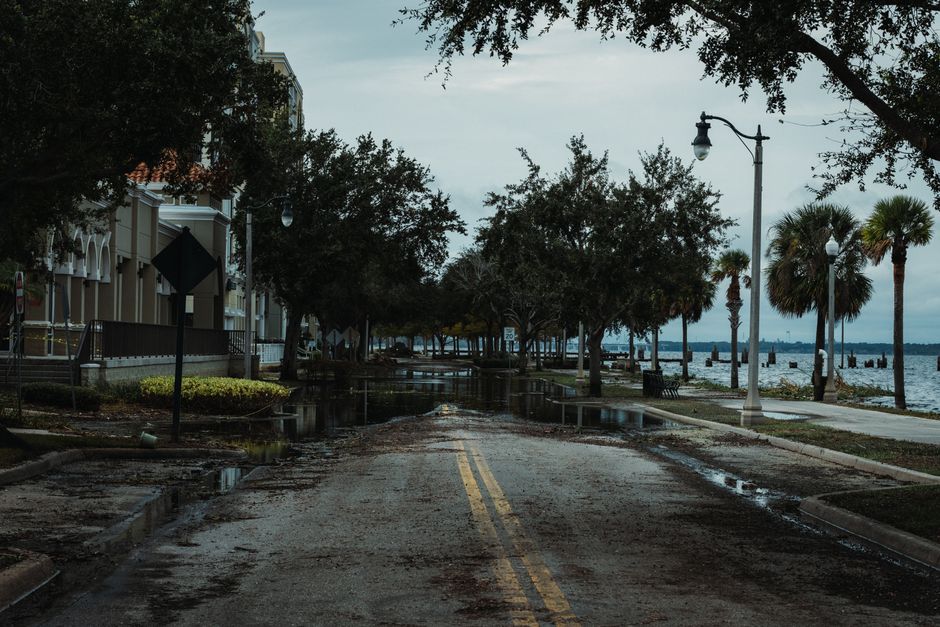
FEMA Flood Rules & Insulation: Why Closed-Cell Spray Foam is a Non-Negotiable for Louisiana’s Flood Zones
According to FEMA regulations, any home in a designated flood zone must use flood-damage resistant insulation below the Base Flood Elevation (BFE). Closed-cell spray foam is the only common insulation material that is waterproof, non-absorbent, and meets FEMA’s highest standards, making it the essential choice for protecting Louisiana homes.
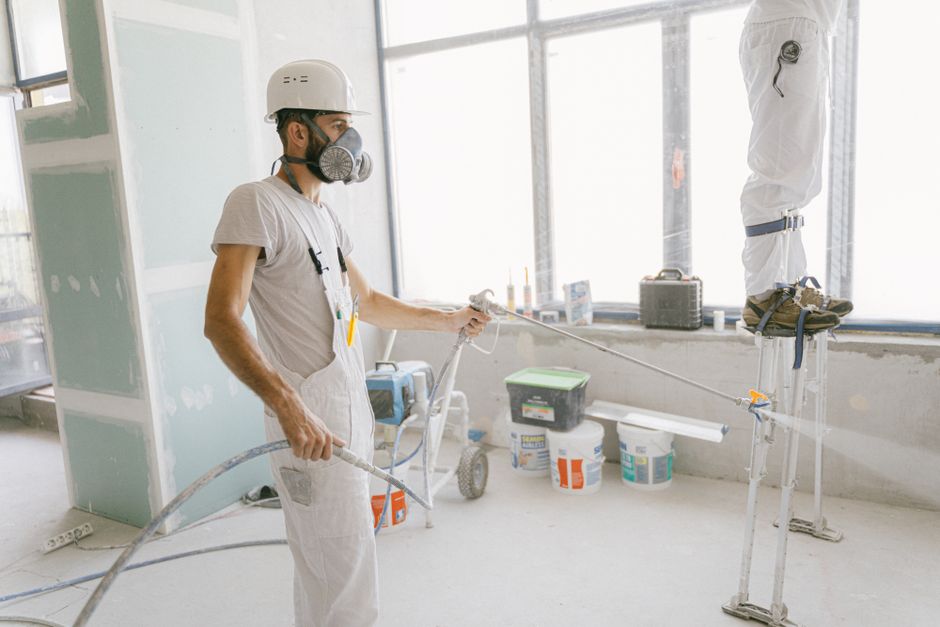
For any homeowner or contractor in New Orleans, the threat of rising water is a constant reality. But the damage from a flood doesn’t stop when the water recedes. The wrong building materials, especially insulation, can lead to a secondary disaster of rot, mold, and catastrophic repair bills. Navigating FEMA’s strict regulations for building in a flood zone can be confusing. Many people unknowingly install insulation like fiberglass or cellulose below the flood line—a mistake that guarantees it will have to be torn out after even minor flooding and may even jeopardize insurance claims.
This is where understanding the rules becomes critical, and choosing the right material is non-negotiable. As Louisiana’s trusted insulation and damage restoration experts for over 18 years, Sunlight Contractors has seen firsthand how the right insulation—closed-cell spray foam—can save a home. We’re not just installers; we are building performance specialists who understand the unique challenges of our region. We’re here to break down exactly what FEMA requires and why closed-cell foam is the only insulation that truly protects your property.
Key Takeaways
- FEMA requires flood-damage resistant insulation materials below the Base Flood Elevation (BFE).
- Traditional insulation like fiberglass and cellulose absorbs water, promotes mold, and must be removed after a flood, failing FEMA standards.
- Closed-cell spray foam is a FEMA Class 5 (most resistant) material that is waterproof, non-absorbent, and adds structural strength.
- Using non-compliant insulation leads to repeated, expensive “rip-and-replace” cycles and can compromise your health and property value.
- For Louisiana homeowners, closed-cell foam is a one-time investment that provides flood resilience, superior energy efficiency, and long-term peace of mind.
TL;DR
FEMA regulations for flood zones mandate the use of water-resistant insulation below the flood line. Closed-cell spray foam is the only insulation that is waterproof, rejects moisture, and won’t need to be replaced after a flood, making it the essential, compliant choice for protecting homes in New Orleans and across Louisiana from water damage and mold.
FEMA’s Strict Insulation Rules Mandate Water-Resistant Materials Below the Base Flood Elevation (BFE).
This opening claim establishes the core regulatory challenge. A reader understands immediately that FEMA has specific rules about insulation materials in certain parts of a home.
What is the Base Flood Elevation (BFE)?
Base Flood Elevation (BFE): The height that floodwaters are estimated to have a 1% chance of reaching or exceeding in any given year. This is the regulatory standard for floodplain management.
In practical terms, if you’re building or renovating in a flood zone from Metairie to Mandeville, any construction material used below this line must be able to withstand being submerged in floodwater. This isn’t just about the foundation; it includes insulation in crawl spaces, subfloors, and the lower portions of your walls. For the thousands of raised homes across Southern Louisiana, this rule directly applies to the entire underbelly of the house.
Understanding FEMA Technical Bulletin 2: Flood Damage-Resistant Materials Requirements
FEMA’s rules aren’t arbitrary. They are detailed in official documents, with FEMA Technical Bulletin 2 serving as the primary guide for builders and homeowners. This bulletin classifies building materials on a scale of 1 to 5 based on their ability to resist flood damage.
- Class 1 & 2: Materials that are highly susceptible to water damage and degrade quickly.
- Class 3: Materials with intermediate resistance.
- Class 4 & 5: Materials that are highly resistant or completely unaffected by floodwater.
The key takeaway is simple and absolute: To be compliant, any material used below the BFE must be a Class 4 or Class 5. It cannot absorb water, break down, or support mold growth when it gets wet.
Why Traditional Insulation (Fiberglass, Cellulose) Fails FEMA’s Test
Traditional insulation materials like fiberglass batts and blown-in cellulose are completely unsuitable for use below the flood line. These materials act like a sponge, absorbing and holding massive amounts of water.
Once wet, the consequences are immediate and severe:
- Total Loss of R-Value: The insulation’s ability to resist heat flow drops to zero.
- Physical Degradation: They become heavy, sag, and pull away from the wall cavities, leaving huge gaps.
- Mold and Mildew Factory: The trapped moisture and organic materials in cellulose create a perfect breeding ground for dangerous mold, compromising your home’s indoor air quality.
Because of these properties, both fiberglass and cellulose are rated as Class 1 or 2 materials by FEMA. Installing them below the BFE is not only a code violation but a guarantee of future failure.
| Material | FEMA Flood Resistance Class | Water Interaction | Post-Flood Status |
|---|---|---|---|
| Fiberglass Batts | Class 1-2 | Absorbs and holds water like a sponge | Must be torn out and replaced |
| Cellulose Insulation | Class 1-2 | Absorbs water, compacts, and promotes mold | Must be torn out and replaced |
| Closed-Cell Spray Foam | Class 5 (Highest) | Waterproof; does not absorb water | Can be cleaned, sanitized, and left in place |
Closed-Cell Spray Foam is the Only Common Insulation That Meets and Exceeds FEMA’s Highest Standards for Flood Resistance.
This claim directly presents closed-cell foam as the superior, compliant solution. A reader immediately grasps its unique qualification.
A Class 5 Flood Damage-Resistant Material
Closed-cell spray foam insulation is explicitly rated by FEMA as a Class 5 material—the highest rating possible for flood damage resistance. The science behind spray foam is what makes it unique. Its chemical structure creates millions of tiny, sealed plastic cells that are impermeable to water. It is essentially a rigid plastic. Water simply cannot penetrate it.
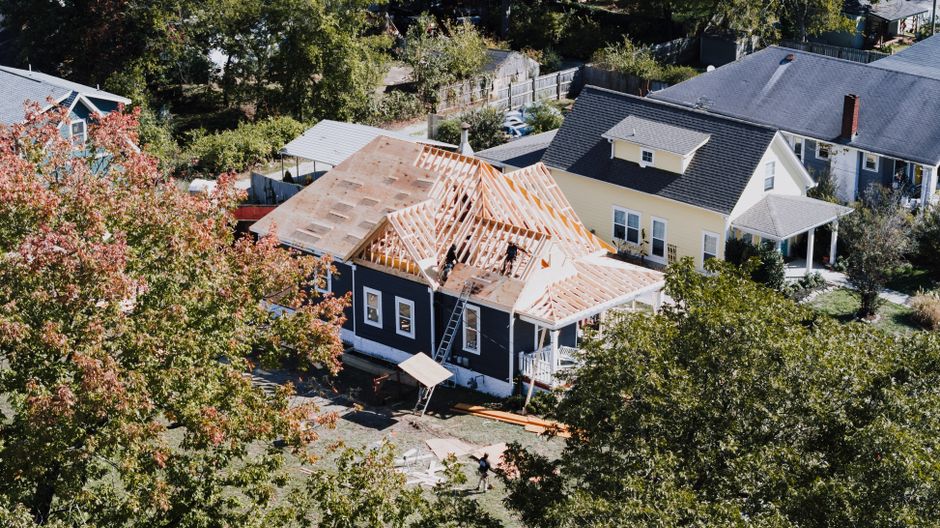
Think of it less like a sponge (fiberglass) and more like a solid, waterproof plastic board that has been custom-fit and bonded into every crevice of your walls or subfloor. After floodwaters recede, the foam itself is unharmed.
It Doesn’t Just Resist Water—It Blocks It
When professionally installed, closed-cell spray foam forms a continuous, monolithic barrier. It doesn’t just sit in the wall cavity; it adheres to the studs and sheathing, sealing all gaps and cracks. This creates a powerful air and vapor barrier, which is critical for controlling humidity and preventing moisture intrusion year-round in Louisiana’s climate. This quality helps protect your home from everyday moisture problems, not just catastrophic floods.
Beyond Water Resistance: Added Structural Integrity
A significant secondary benefit of closed-cell foam is its strength. As it cures, its dense, rigid structure bonds to the building materials around it, essentially gluing the wall assembly or floor system together. This process can add significant “racking strength” to walls, helping a structure better withstand the powerful winds and hydrodynamic forces common in storms that roll in from the Gulf. This is a key component of building a more resilient and fortified structure.
Choosing the Wrong Insulation in a New Orleans Flood Zone Leads to Catastrophic Financial and Health Consequences.
This claim focuses on the audience’s primary pain points: the negative outcomes of making the wrong choice.
The Vicious Cycle of “Rip and Replace”
Imagine your home in Kenner or Slidell takes on a foot of water. With fiberglass or cellulose insulation, the recovery process is a nightmare. You’ll be tearing out wet, sagging drywall to get to the insulation. Then comes the disgusting job of removing the soggy, contaminated material. After that, you’ll likely need professional mold and mildew remediation before you can even think about rebuilding. Finally, you pay to install new drywall and new insulation—only to face the exact same expensive process the next time it floods.
Contrast this with closed-cell spray foam. After a flood, the wall cavities can be opened, and the foam can be washed, sanitized with an anti-fungal agent, and thoroughly dried. The insulation itself remains intact and fully functional. You rebuild the drywall, and you’re done. No rip-out, no replacement, no repeated cost.
The Hidden Dangers: Mold, Mildew, and Compromised Air Quality
The financial cost is only part of the story. Waterlogged insulation is a serious health hazard. In the hot, humid environment of Southern Louisiana and the Mississippi Gulf Coast, mold can begin to grow within 24-48 hours. These mold spores can spread through your home’s HVAC system, leading to chronic respiratory issues, allergic reactions, and other long-term health problems. Protecting your family’s health is a primary reason to invest in proper moisture control.
Devalued Property and Insurance Headaches
Using non-compliant materials below the BFE is a major red flag for home inspectors and potential buyers. It signals a future of costly repairs and can significantly lower your property’s value. Furthermore, while flood insurance may cover the initial damage, repeated claims for replacing the same non-compliant materials can lead to increased premiums or coverage issues. Making the smart, compliant choice from the start is the most sound financial decision.
Sunlight Contractors is Your Local Expert for FEMA-Compliant Insulation Across New Orleans and Southern Louisiana.
This claim positions the client as the definitive local authority and solution provider. Sunlight Contractors is a leading provider of spray foam and blown in insulation services in New Orleans, LA, and the surrounding regions.
Over 18 Years of Navigating Louisiana’s Unique Building Challenges
For over 18 years, Sunlight Contractors has been on the front lines, helping homeowners and businesses rebuild smarter and stronger. We’ve worked on everything from historic homes in the French Quarter to new construction in fast-growing communities like Covington and Baton Rouge. We aren’t just installers; we are consultants who have helped thousands of clients make resilient, long-lasting choices that stand up to our unique climate.
We Understand Local Codes and FEMA Regulations So You Don’t Have To
For contractors, we are a trusted partner. We ensure your projects meet all local and federal requirements, helping you avoid costly delays, failed inspections, and rework. For homeowners, we take the guesswork out of protecting your most valuable asset. We are certified, licensed, and insured, and we guarantee that the job is done right the first time, every time.
Serving Our Communities from New Orleans to Baton Rouge
We are proud to be a local Louisiana company. Our expert crews serve communities across the region, including New Orleans, Metairie, Kenner, Gretna, and Harvey, up to the Northshore cities of Mandeville, Covington, and Slidell, and west to Baton Rouge and its surrounding areas like Zachary and Baker. We also proudly serve our neighbors along the Mississippi Gulf Coast in Bay St. Louis, Picayune, and Diamondhead.
Make the Non-Negotiable Choice for Your Louisiana Home
In a place defined by water, your choice of insulation isn’t just about high energy bills; it’s about resilience, safety, and financial security. FEMA’s rules aren’t just suggestions—they are a roadmap for building smarter and safer in flood zones.
Closed-cell spray foam is the only insulation that meets this challenge head-on. It offers a permanent, waterproof, and fully compliant solution that protects your home from water, mold, and the endless cycle of post-flood repairs. Don’t gamble with your home’s future. Protect your investment and your family’s health by making the one choice that makes sense.