

Hurricane Resilience: How Closed-Cell Spray Foam Can Strengthen Your Roof Against Storms
Here in New Orleans, we know the routine. A storm spins up in the Gulf, and the familiar anxiety creeps in. You watch the spaghetti models, you stock up on supplies, and you start thinking about your home’s weak points. The number one concern for every homeowner is the roof. It’s your primary shield against 150 mph winds and rain that comes down sideways. A single point of failure—one lifted shingle, one loose piece of plywood—can be the difference between a close call and a catastrophe.

For over 18 years, Sunlight Contractors has been on the front lines, helping Louisiana residents prepare for and recover from these storms. We’ve seen what works and what doesn’t. Proactive strengthening isn’t just a good idea; it’s essential. This isn’t about hoping for the best. It’s about building for the worst. The single most effective technology for reinforcing your existing roof structure is closed-cell spray foam insulation. It’s the structural adhesive that can literally glue your roof deck to your rafters, creating a monolithic shield that stands up to hurricane-force winds and prevents devastating water intrusion.
Key Takeaways
- Wind Uplift is the #1 Threat: The primary cause of catastrophic roof failure in a hurricane is negative pressure, or wind uplift, which rips sheathing from the rafters.
- Closed-Cell Foam Acts Like “Super Glue”: When applied to the underside of your roof deck, it rigidly bonds the sheathing to the trusses, dramatically increasing its resistance to wind uplift forces.
- Creates a Secondary Water Barrier: Unlike other insulation types, closed-cell foam is waterproof. If shingles are blown off, the foam layer prevents water from pouring into your attic, buying critical time for repairs.
- Not All Foam is Equal: Closed-cell foam’s density and waterproof properties are non-negotiable for storm resilience. Open-cell foam absorbs water and is the wrong choice for this application.
- Year-Round Energy Savings: Beyond storm protection, the high R-value of closed-cell foam provides superior insulation, significantly lowering your cooling bills during brutal Louisiana summers.
The Anatomy of a Hurricane vs. Your Roof: A New Orleans Reality
To understand the solution, you first have to understand the problem. A hurricane doesn’t just push on your roof; it tries to tear it apart with forces that are complex and violent. Your standard roof, held together by nails and staples, is surprisingly vulnerable.
The #1 Threat: Wind Uplift and Negative Pressure
The most destructive force isn’t the wind hitting the side of your house. It’s the wind accelerating over the peak of your roof. This creates a powerful pressure differential, much like the principle that allows an airplane wing to generate lift. According to the Insurance Institute for Business & Home Safety (IBHS), this negative pressure can create a lifting force of over 90 pounds per square foot in a Category 3 hurricane. This force pulls directly upward on your roof sheathing—the plywood or OSB deck—trying to rip it clean off the rafters. This is the starting point for most catastrophic roof wind damage.
The Inevitable Intrusion: Wind-Driven Rain
Hurricane rain is not a gentle shower. It’s a horizontal assault, driven by extreme winds that can force water upwards and sideways, underneath shingles, behind flashing, and through any tiny gap it can find. Even if your roof structure holds, this wind-driven rain can saturate your attic insulation, ruin ceilings, and lead to widespread water damage and subsequent mildew growth. This is a common reason homeowners need to know the signs for a roof replacement after a storm.
The Domino Effect of a Small Breach
A single lost asphalt shingle or a small corner of lifted plywood is an open invitation for the storm. Once wind gets under that initial breach, it acts like a crowbar, progressively tearing away more and more of the roof. Water then pours in, destroying insulation, collapsing drywall, and ruining your home’s interior. What started as a small vulnerability quickly escalates into a total structural failure.
The Solution Under the Shingles: How Closed-Cell Spray Foam Creates a “Hurricane-Resistant” Roof Deck
The best way to fight these forces is not from the outside, but from within. Applying closed-cell spray polyurethane foam (SPF) directly to the underside of your roof deck in the attic fundamentally changes the structural dynamics of your roof.
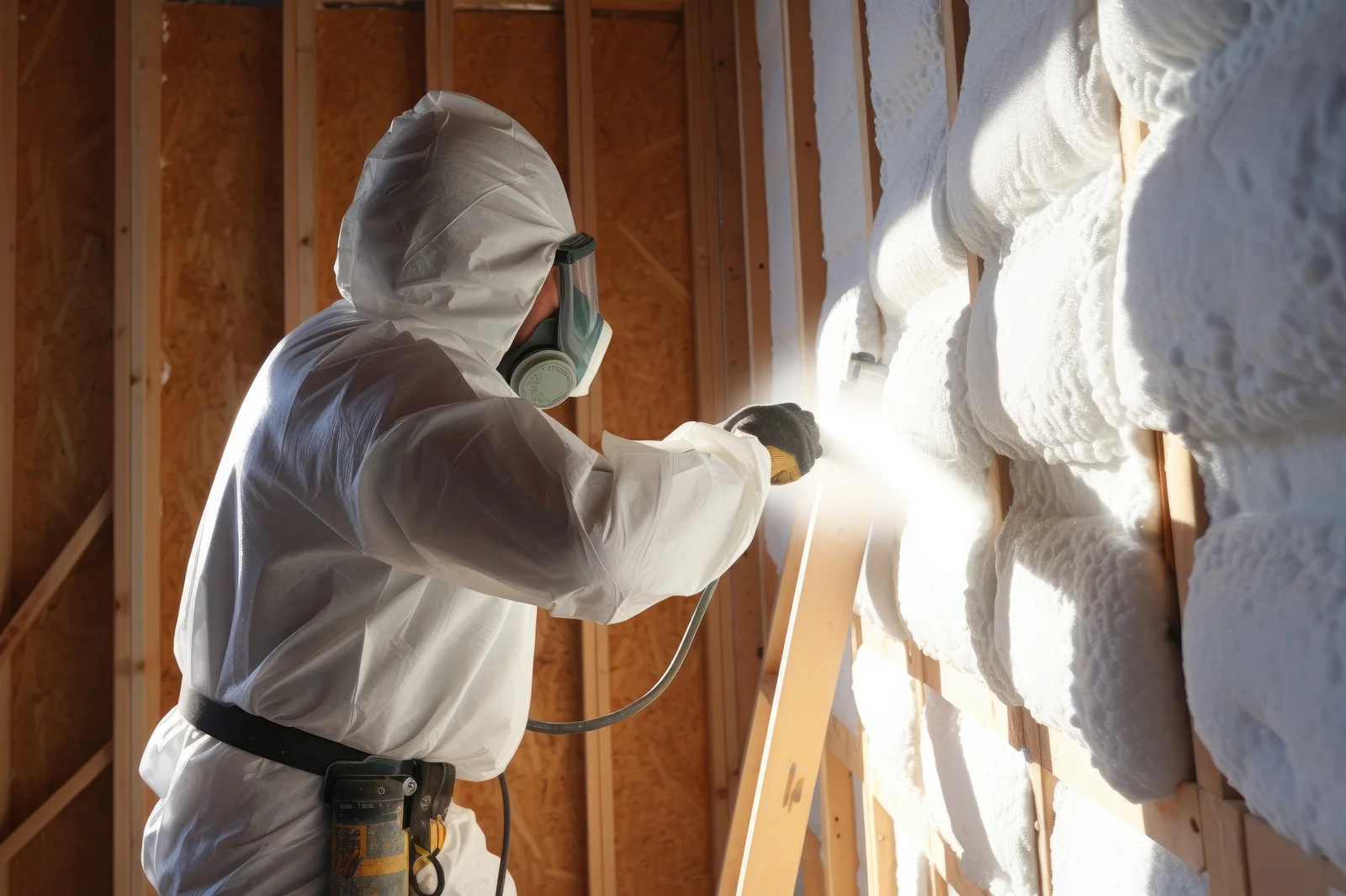
The “Super Glue” Effect: Adhering Sheathing to Rafters
This is the core benefit and the reason this method is so effective. When professionally installed, closed-cell spray foam expands and cures into a rigid, solid plastic. It doesn’t just sit between the rafters; it fuses the underside of the roof sheathing directly to the sides of the roof trusses.
Think of it this way: your roof deck is held on by hundreds of individual nails or staples. Under extreme uplift pressure, each nail is a potential point of failure. The foam application effectively turns those hundreds of weak points into a single, monolithic unit. It becomes a continuously bonded system. Research has shown that applying closed-cell foam can increase the wind uplift resistance of a roof deck by more than two times. This is how closed-cell spray foam can strengthen your roof against storms—by making it incredibly difficult for the wind to get that initial grip and tear the sheathing away.
Creating an Impermeable Barrier: Your Second Line of Defense Against Water
The “closed-cell” structure is critical. It means the foam is composed of tiny, sealed plastic cells that are packed tightly together. This structure makes it impermeable to water. Is spray foam insulation waterproof? Yes, closed-cell foam is.
If a hurricane’s fury manages to rip your shingles off, the cured layer of spray foam underneath acts as a secondary, waterproof roof deck. Rain that would otherwise be pouring into your attic is stopped cold. This protection is invaluable. It prevents immediate interior devastation and gives you a crucial window of time to have professional repairs made without the ticking clock of ongoing water damage. It’s a vital component of a truly fortified roof.
Adding Racking Strength to the Entire Structure
High winds don’t just lift; they also push and twist. This lateral movement, known as “racking,” puts immense stress on the entire frame of your house. Because closed-cell foam cures into a rigid solid and adheres to all surfaces, it adds significant racking strength to the roof assembly. It helps the entire structure resist these twisting forces, reducing stress on joints and connections throughout the attic and keeping the roof from flexing and contorting under load.
Not All Foam is Created Equal: Why Closed-Cell is the Clear Choice for Louisiana Storms
It’s crucial for homeowners and contractors to understand that you cannot substitute another type of foam for this application. The choice between open-cell and closed-cell foam is not a matter of preference; it’s a matter of performance and safety.
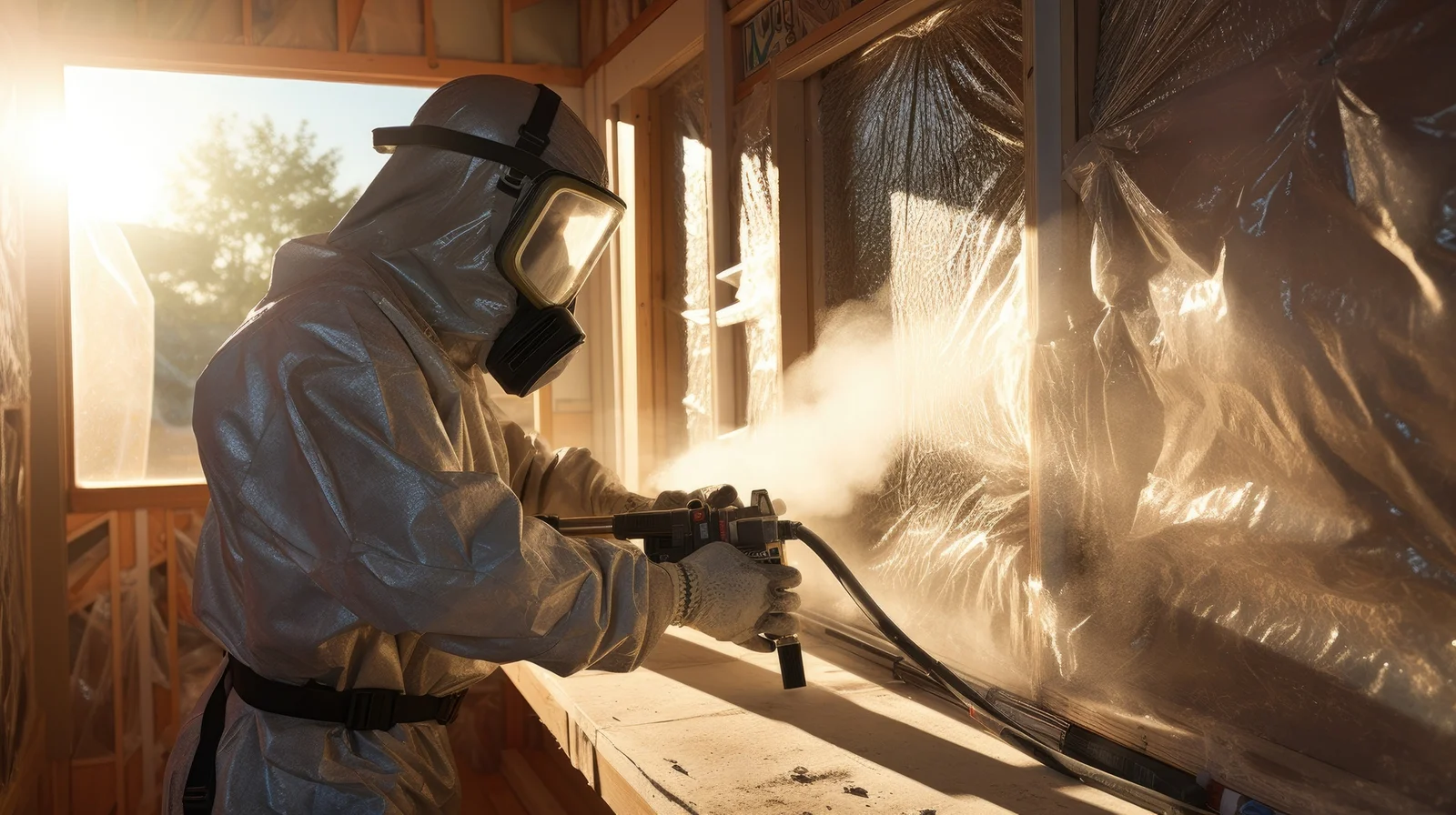
Closed-Cell vs. Open-Cell Foam: Density and Water Resistance
The difference is in the structure. Open-cell foam is soft, flexible, and spongy—like a dish sponge. Its cells are intentionally left open, which makes it excellent for soundproofing but also means it will readily absorb and hold water. Applying open-cell foam to a roof deck would be a disaster, as it would act like a sponge against any leak, trapping moisture against the wood and promoting rot.
| Feature | Closed-Cell Spray Foam | Open-Cell Spray Foam |
|---|---|---|
| Structure | Dense, rigid, cells are sealed | Soft, spongy, cells are open |
| Water Resistance | Impermeable (waterproof) | Permeable (absorbs water) |
| Structural Strength | High – adds significant strength | Low – no structural benefit |
| Primary Use Case | Insulation, air/vapor barrier, structural reinforcement | Insulation, sound dampening |
| Hurricane Resilience | Excellent | Unsuitable and Dangerous |
For hurricane resilience, the density, rigidity, and waterproof nature of closed-cell foam are non-negotiable. It’s the only spray foam insulation that provides both structural reinforcement and a secondary water barrier.
The R-Value Bonus: Superior Insulation for NOLA Heat and Humidity
While you’re fortifying your home against storms, you also get a massive upgrade in energy efficiency. Closed-cell spray foam has one of the highest R-values per inch of any commercially available insulation. By applying it to your roof deck, you create an unvented attic assembly that stops radiant heat from the sun from ever entering your attic space.
This dramatically reduces the workload on your HVAC system during our brutal New Orleans summers. The result is a more comfortable home and significantly lower energy bills every single month. The storm protection is there when you need it, but the energy savings pay you back year-round.
Why New Orleans Trusts Sunlight Contractors for Home Fortification
Choosing the right material is only half the battle. The installation must be flawless. An improper mix or application can negate all the benefits. That’s why experience matters.
Over 18 Years on the Front Lines of Louisiana Weather
Sunlight Contractors isn’t just an insulation company. For over 18 years, we have served the spray foam insulation, damage restoration, and foundation repair needs of homeowners across Louisiana. We haven’t just read about hurricane damage in a manual; we’ve been here, helping our neighbors rebuild. That firsthand experience means we know exactly what it takes to fortify a home against the unique challenges of our climate.
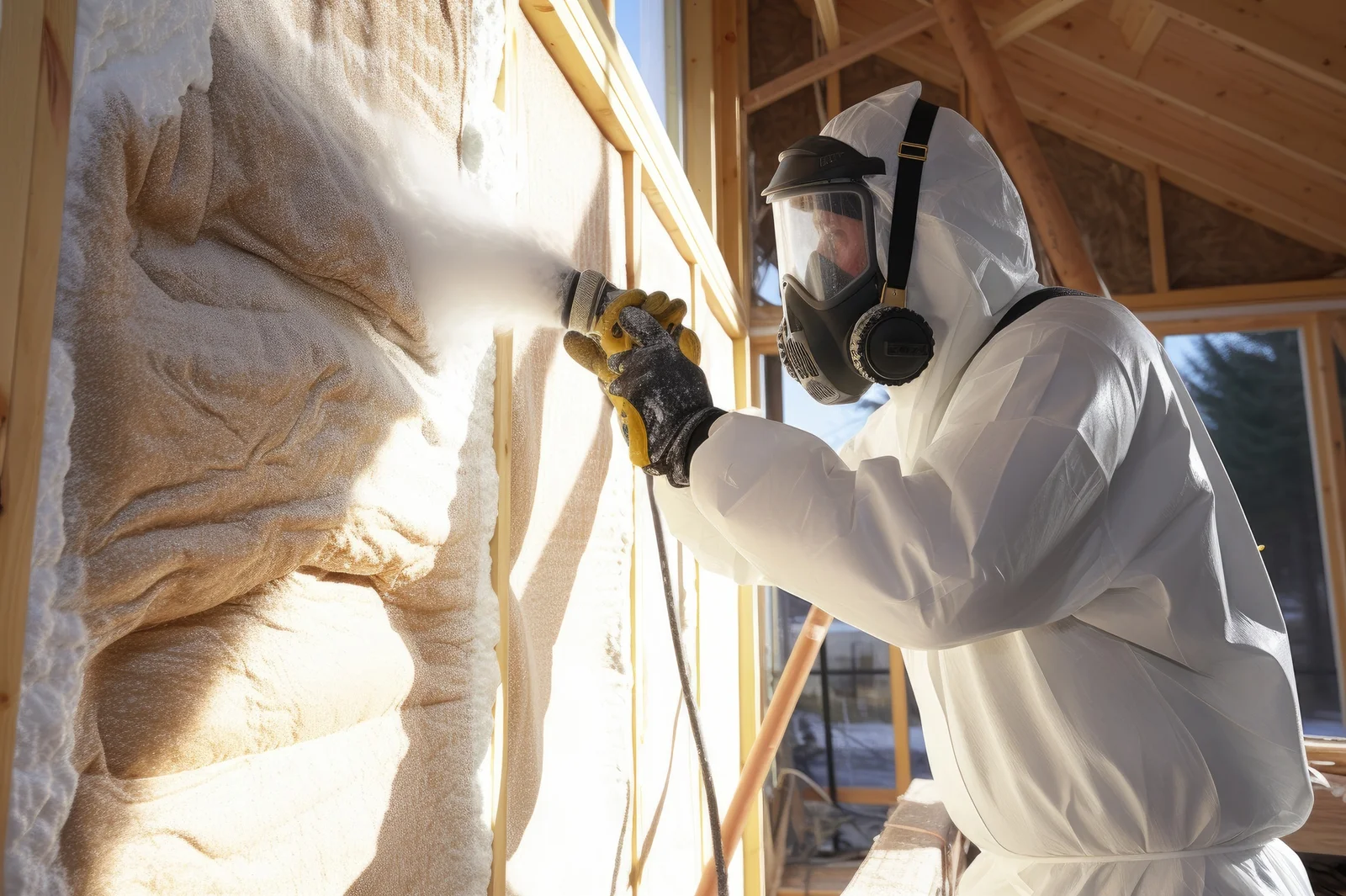
More Than Just Insulation: A Holistic Approach to Home Protection
A strong roof is vital, but we understand it’s part of a larger system. Your home’s entire building envelope needs to be secure. Our expertise in damage restoration and foundation work means we have a comprehensive understanding of how a home performs under stress. We can assess your entire home’s needs, from the foundation to the ridge vent, ensuring you have a complete resilience plan.
Local Experts, Local Commitment
When a storm hits, out-of-state “storm chasers” flood the area. We’re not them. We are a Louisiana-based company. Our team lives here, we work here, and we’re deeply committed to our community. We’ll be here long after the storm has passed to stand by our work and ensure your home is secure. When you choose a spray foam contractor, choose one who will be here tomorrow.
Fortify Your Home Before the Next Storm: Take Action Now
The time to prepare for a hurricane is not when it’s already churning in the Gulf. The best time to strengthen your home is now, during the calm. By reinforcing your roof deck with closed-cell spray foam, you are investing in powerful protection that delivers superior wind resistance, a secondary waterproof barrier, and the incredible bonus of year-round energy savings.
Don’t leave your biggest asset vulnerable. Give yourself the peace of mind that comes from knowing you’ve taken the single most effective step to brace your home for the storm.
Contact Sunlight Contractors today for a no-obligation roof resilience assessment. Let our experienced, local team show you how closed-cell spray foam can protect your family and your investment this hurricane season and for many years to come.
Contact Sunlight Contractors for a Free Estimate
Call Us: (504) 222-2082
Learn More About Our Spray Foam Insulation Services