
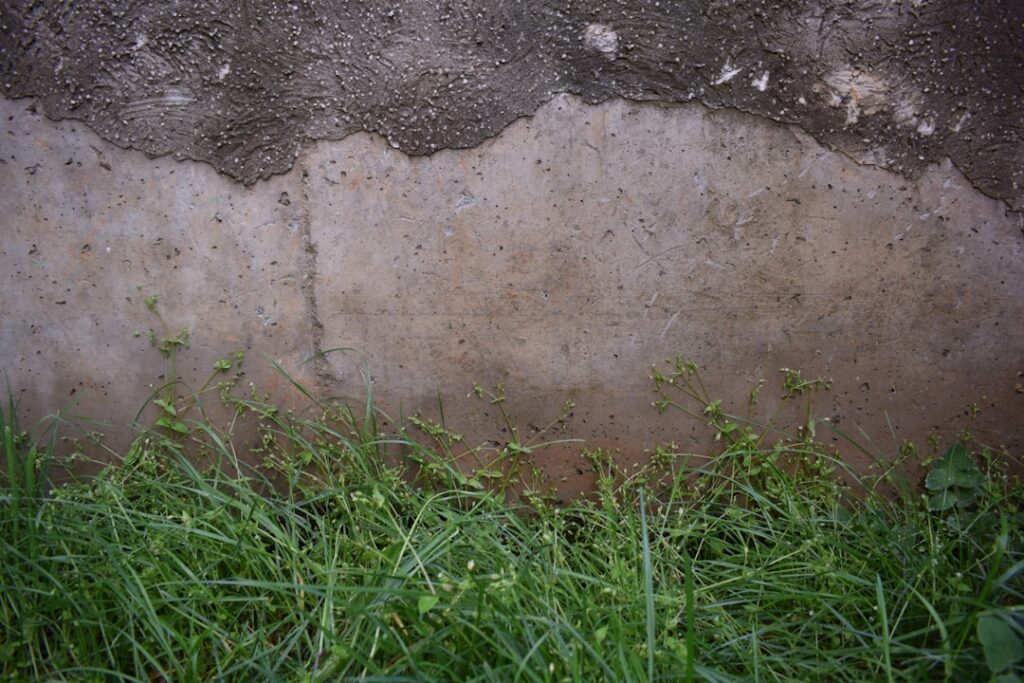
Louisiana’s Shifting Soil: How Closed-Cell Spray Foam Can Help Save Your Foundation
If you live in Louisiana, you know the ground beneath your home has a mind of its own. That hairline crack in the drywall, that door that suddenly sticks—it’s not your imagination. It’s the reality of living on our unique, shifting soil. Ignoring these small signs is a mistake that can lead to catastrophic, expensive foundation failure.
For over 18 years, Sunlight Contractors has been on the front lines, helping homeowners and contractors across Louisiana tackle these exact challenges. We understand that a strong home starts from the ground up, and we’ve seen firsthand what happens when foundations are left vulnerable. In this post, we’ll break down why Louisiana’s soil is so problematic for foundations and reveal how a modern solution—closed-cell spray foam—can provide the stability and protection your home desperately needs.
Key Takeaways
- Louisiana’s “gumbo” clay soil constantly shrinks and swells, putting immense stress on concrete foundations.
- This movement leads to cracks, moisture intrusion, pest infestations, and significant energy loss.
- Closed-cell spray foam does more than insulate; its rigid structure adds strength to your foundation and subfloor, resisting soil movement.
- It creates a powerful, waterproof barrier, preventing moisture and humid air from entering your crawlspace or basement, which is critical in New Orleans.
- Partnering with an experienced local expert like Sunlight Contractors ensures the job is done right for our unique climate and soil conditions.
TL;DR
For homeowners and contractors in New Orleans, Louisiana’s shifting soil constantly threatens foundation integrity. Closed-cell spray foam addresses this by adding structural rigidity to the foundation and subfloor, acting like a high-density glue. It also forms a complete air and moisture barrier, preventing water damage, mold, and energy loss common in our humid climate. For over 18 years, Sunlight Contractors has specialized in applying this solution to protect Louisiana homes.
The Ground Beneath Your Feet: Understanding Louisiana’s Soil Problem
To solve a problem, you have to understand its source. In Louisiana, the problem is literally the ground your house is built on. It’s an unstable, dynamic environment that wages a constant war against the rigid concrete of your foundation.
The “Gumbo Soil” Effect: Shrinking and Swelling
Much of Louisiana is built on expansive clay soil, often called “gumbo soil.” Think of this soil as a dense, powerful sponge.
- Expansion: During our frequent heavy rains, the clay absorbs massive amounts of water, causing it to swell and expand. This expansion exerts incredible upward pressure, or “heave,” on your foundation.
- Contraction: In dry periods, the sun bakes the moisture out. The clay then shrinks, cracks, and pulls away from the foundation, creating voids. This causes sections of the foundation to sink or “settle.”
This endless cycle of expansion and contraction puts uneven and immense stress on your foundation, forcing it to bend and crack over time.
Subsidence and High Water Tables
The problem is compounded by two other regional realities:
- Subsidence
- The geological process where the ground in our region is gradually sinking. This slow but constant settling adds another layer of stress to a home’s structure.
- High Water Table
- Louisiana’s low elevation means groundwater is often very close to the surface. This saturated soil is inherently less stable and can wick moisture directly up into porous concrete, leading to a host of moisture and mildew problems.
How This Translates to Foundation Stress
This combination of shrinking, swelling, and sinking soil means your foundation is never truly at rest. It is constantly being pushed, pulled, and undermined. This movement is the direct cause of the cracks you see in your walls, the uneven floors you walk on, and the long-term structural strain that can devalue your home and lead to devastating repair bills.
Warning Signs: Is Your Foundation Crying for Help?
Foundation damage rarely happens overnight. It starts with subtle clues that most people dismiss. Recognizing these early warning signs is the key to preventing a minor issue from becoming a major structural failure. Here’s what to look for.
Telltale Signs on the Inside
- Cracks in drywall, especially jagged lines spreading from the corners of door and window frames.
- Doors that stick at the top or drag on the floor, or doors that swing open on their own.
- Windows that have become difficult to open or close.
- Floors that are noticeably sloping, sagging, or feel bouncy.
- Gaps appearing between the wall and the floor or the wall and the ceiling.
- Cracked or buckled floor tiles or hardwood floors showing signs of moisture damage.
Red Flags on the Outside
- Visible cracks in the concrete slab or the exterior foundation walls.
- Stair-step cracks in exterior brickwork or masonry.
- A chimney that is tilting or separating from the house.
- Gaps around the garage door or where the porch is pulling away from the main structure.
The Invisible Threat: Moisture and Humidity
Some of the most damaging symptoms are the ones you can’t easily see. If you have a crawlspace or basement, these are critical red flags:
- A persistent musty, damp smell that permeates the lower levels of your home.
- Visible mold, mildew, or fungal growth on wood joists or foundation walls.
- Damp, humid air that makes the first floor of your home feel clammy and uncomfortable, forcing your HVAC to work overtime.
- Evidence of pests like termites, which are drawn to the damp, softened wood caused by crawl space moisture.
The Modern Solution: How Closed-Cell Spray Foam Can Save Your Foundation
Traditional foundation repair methods often focus on underpinning or mudjacking, which address settling but don’t solve the underlying issues of soil movement and moisture intrusion. Closed-cell spray polyurethane foam (SPF) is a revolutionary approach that does more than just patch the problem—it reinforces, seals, and protects your home’s entire foundation system.
More Than Just Insulation: A Structural Powerhouse
The key is understanding the difference between types of insulation. Unlike soft, fibrous insulation, closed-cell spray foam is a dense, rigid, and incredibly strong material.
When a certified technician applies it to the underside of your subfloor and the interior of your foundation walls, it expands and hardens into a solid, monolithic layer. It acts like a high-strength structural glue, locking the subfloor, floor joists, and foundation walls together. This added rigidity creates a stronger, more unified structure that is far more resistant to the push and pull of Louisiana’s shifting soil. It’s a method of fortification with closed-cell spray foam that adds a powerful layer of defense.
Creating an Impenetrable Moisture and Air Barrier
Closed-cell spray foam’s high density makes it non-permeable to both water and water vapor. It is so effective that FEMA recognizes it as a flood-resistant material suitable for use in flood-prone areas.
When applied to your foundation, it creates a seamless, waterproof seal. This barrier accomplishes several critical tasks:
- Stops Ground Moisture: It prevents water from the soil from wicking through the concrete and into your crawlspace or basement.
- Prevents Rot and Mold: By eliminating moisture, it eliminates the primary condition needed for mold, mildew, and wood rot to thrive.
- Blocks Humid Air: It creates an air seal, stopping humid New Orleans air from infiltrating your home’s structure, which reduces the load on your dehumidifier and A/C.
- Deters Pests: It seals the cracks and gaps pests use to enter and eliminates the damp wood that attracts termites.
A Foundation for Energy Savings
A home’s foundation and crawlspace are often the most overlooked sources of energy loss. Sealing and insulating this area is fundamental to creating an efficient building envelope. By stopping air leakage and adding significant R-value, closed-cell spray foam prevents conditioned air from escaping and outside air from getting in. This drastically reduces the workload on your HVAC system, leading to lower utility bills and a more comfortable home year-round.
Why Sunlight Contractors is Louisiana’s Choice for Foundation Protection
Applying closed-cell spray foam is not a DIY project. It requires deep knowledge of building science, specialized equipment, and precise application techniques. Choosing the right contractor is just as important as choosing the right material.
18+ Years of Local Louisiana Experience
Understanding Louisiana’s soil isn’t something you learn from a manual. We’ve spent nearly two decades working in these exact conditions. We’ve seen every type of foundation issue our unique climate can create, from New Orleans to Baton Rouge and beyond. We know what works here because we live and work here. This hands-on experience is something that national chains simply cannot replicate.
A Comprehensive Approach to Home Performance
At Sunlight Contractors, we don’t just spray foam; we provide complete solutions. As licensed general contractors specializing in foundation repair, damage restoration, and energy-efficient renovations, we see the big picture. We understand how the foundation impacts the roof, how the crawlspace affects indoor air quality, and how every component of your home works together as a system. This holistic approach ensures we recommend the right solution, not just the easy one.
Certified Experts, Superior Materials
Trust is earned. Our technicians are certified and highly trained, ensuring that every job meets the highest industry standards for safety and performance. We use only premium, high-density closed-cell spray foam specifically designed for structural and moisture-control applications. When you hire a licensed and certified contractor like Sunlight Contractors, you are investing in a professional, lasting result that protects your property for decades to come.
Don’t Wait for a Small Crack to Become a Catastrophe
Louisiana’s soil will never stop moving. It is a constant, powerful force working against your home. While you can’t change the ground, you can change how your home responds to it. Closed-cell spray foam offers a powerful, modern defense, transforming a vulnerable foundation into a strong, sealed, and stable base.
Protecting your foundation is protecting the single biggest investment you own. Those small warning signs are your home’s way of telling you it needs help. Listening and acting proactively is the difference between a smart, manageable investment today and a devastating, costly structural failure tomorrow.