

Spray Foam Insulation as a Pest Barrier: A Permanent Solution for Louisiana’s Termites, Rodents, and Roaches
The Unending Battle Against Pests in New Orleans
Living in New Orleans means accepting certain realities: the oppressive humidity, the threat of storms, and the relentless parade of uninvited guests. Formosan termites, resourceful rodents, and stubborn roaches aren’t just annoyances; they’re a constant siege on your home and your peace of mind. You spray, you trap, you set out bait stations. But it’s a temporary truce, not a victory. This reactive approach is a recurring cost that only treats the symptoms. The real disease is the structure of your home itself—a network of countless cracks, gaps, and crevices that pests use as a superhighway to get inside.
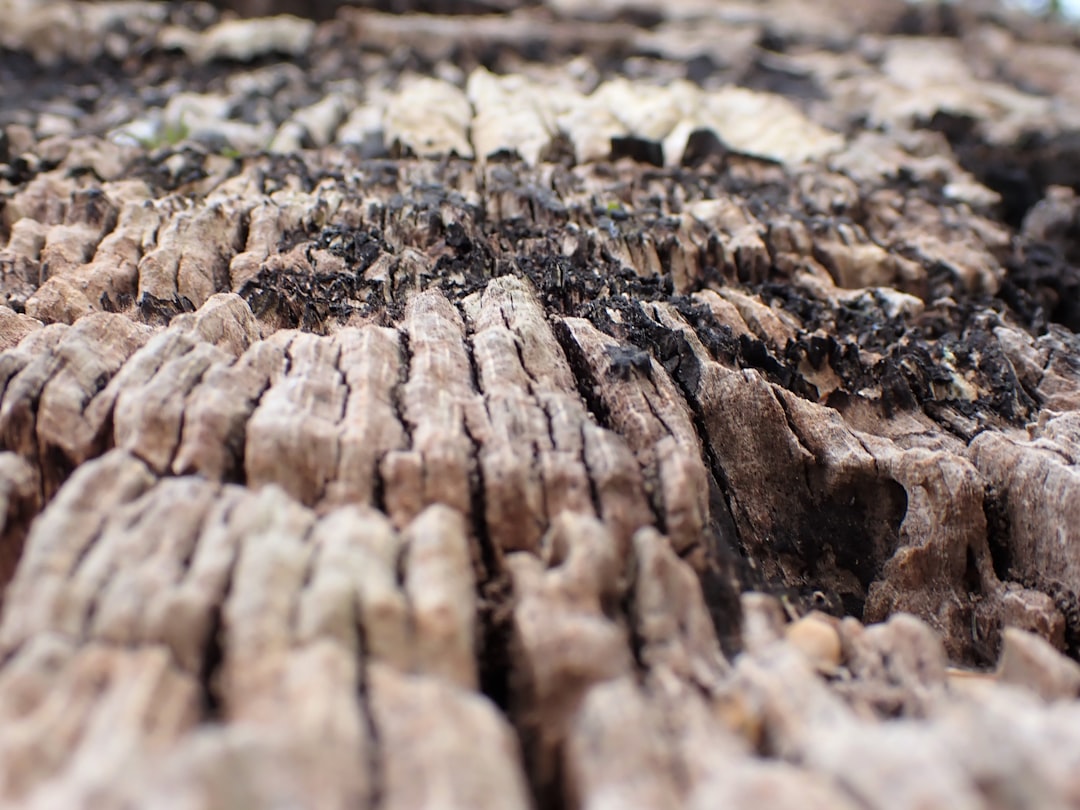
It’s time for a different approach. Instead of fighting the pests that are already in, you need to build a fortress that keeps them out for good. Spray foam insulation is that fortress. It’s a revolutionary, dual-purpose solution that insulates your home for massive energy savings and creates a permanent physical barrier against pests.
This isn’t just theory. For over 18 years, Sunlight Contractors has been the trusted authority in protecting Louisiana homes. We serve the spray foam insulation, fireproofing, renovations, and foundation repair needs of homeowners and businesses across the state. We understand the unique challenges of our climate and have seen firsthand how a properly sealed building envelope is the most effective, long-term defense against our region’s most notorious pests.
Key Takeaways
- Spray foam insulation expands to create a rigid, airtight seal, physically blocking the gaps and cracks pests use to enter homes.
- The cured foam material is an inert polymer; it is not a food source for termites, rodents, or insects.
- Closed-cell spray foam also acts as a moisture barrier, eliminating the damp conditions that attract pests like termites and roaches.
- This creates a permanent, one-time solution that reduces the long-term need for and cost of recurring chemical pest treatments.
- Professional installation by an experienced team like Sunlight Contractors is critical to ensure a complete, gap-free pest barrier.
TL;DR
Spray foam insulation acts as a physical barrier, sealing the cracks and gaps that pests like termites, rodents, and roaches use to enter New Orleans homes. It’s a permanent, non-food source material that, when installed by local experts like Sunlight Contractors, provides a long-term, integrated solution to Louisiana’s persistent pest and moisture problems, while also lowering energy bills.
Why Your Home is a Five-Star Resort for Louisiana Pests
The Climate Culprit: Heat, Humidity, and Hospitality
The subtropical climate of New Orleans is the perfect breeding ground for pests. There’s no long, hard freeze to kill them off. Instead, they get a year-round invitation to thrive. The constant high humidity, combined with moisture from frequent storms, creates the exact conditions pests crave: damp wood, dark spaces, and consistent warmth. To them, your crawl space, attic, and wall cavities are a welcome mat. This environment is particularly attractive to pests that cause the most damage, turning your home into their personal sanctuary.
The “Big Three” Intruders and the Damage They Cause
- Formosan “Super” Termites: These are not your average termites. A single colony of Formosan subterranean termites can contain several million individuals and consume up to 13 ounces of wood a day. They pose an immense structural risk, capable of destroying wood framing, flooring, and support beams with shocking speed. The damage they cause is often hidden until it’s catastrophic.
- Rodents (Rats & Mice): Rodents are more than just a nuisance. Their constant need to chew leads them to gnaw on electrical wires—creating serious fire hazards—and PVC plumbing pipes. Beyond the structural damage, they introduce serious health risks, contaminating surfaces with droppings and spreading diseases.
- Roaches & Other Insects: Cockroaches are notorious for spreading bacteria like E. coli and Salmonella. They also trigger allergies and asthma attacks. Like termites, they thrive in the hidden, damp corners of a home, finding entry through the smallest of openings around pipes and foundation lines.
How Spray Foam Creates an Impenetrable Fortress
Traditional insulation methods are often part of the problem. Fiberglass batts do little to stop air movement and pests. Rodents easily tear through it for nesting material, and insects can crawl right around it. Spray foam insulation is fundamentally different.
The Expanding Seal: Leaving No Crack Unfilled
The application process is the key. Spray polyurethane foam (SPF) is applied as a liquid that expands up to 100 times its original size in seconds. Think of it as pouring a liquid shield into your walls, attic, or crawl space. This liquid seeks out every air leak, wiring penetration, pipe hole, and foundation gap, then hardens into a rigid, seamless, monolithic barrier. It doesn’t just sit in the cavity; it adheres to the framing, sheathing, and concrete, creating a complete and total seal.
Not on the Menu: An Inedible and Unattractive Material
Once cured, spray foam is an inert plastic polymer. Pests have zero nutritional interest in it. They cannot eat it for sustenance. This is a critical distinction from other insulation types.
| Insulation Type | Pest Resistance |
|---|---|
| Spray Foam | Inedible, rigid physical barrier. Pests cannot eat it or easily move through it. |
| Fiberglass | Offers no food value but is easily torn apart by rodents for nesting. Insects move through it freely. |
| Cellulose | Often treated with borates to deter pests, but can still be vulnerable if it gets wet, and rodents can still tunnel through it. |
Moisture Management: Taking Away Their Water Source
Pests need moisture to survive. Termites and roaches are actively drawn to damp wood and humid spaces. Closed-cell spray foam is a powerful vapor barrier, meaning it resists the passage of water vapor. Applying it in a crawl space or on the underside of a roof deck dramatically reduces the ambient moisture and humidity in those areas. By eliminating their water source, you make your home a fundamentally inhospitable environment, forcing them to look elsewhere.

A Head-to-Head Takedown of Louisiana’s Top Pests
Termites vs. The Rigid Foam Barrier
The big question is always, “Can termites get through spray foam?” The answer is that the dense, seamless nature of closed-cell foam presents a formidable physical obstacle. They do not eat it for food. More importantly, spray foam seals the very pathways they use to enter your home: the tiny cracks in the foundation and the gaps where mud tubes are built. By creating a continuous, solid barrier from the ground up, you eliminate their hidden entry points. This also makes termite inspections far more effective. Any potential termite tunnels would have to be built on the outside of the foam, making them clearly visible against the clean, uniform surface.
Showing Rodents the (Sealed) Door
A mouse can squeeze through a hole the size of a dime. A rat can fit through a quarter-sized opening. These are the tiny, overlooked gaps around plumbing, vents, and the sill plate where your home rests on its foundation. Spray foam insulation expands to seal these entry points completely. Furthermore, the hard, rigid surface of cured closed-cell foam is a significant deterrent to chewing. While a determined rat can chew through many materials, the foam offers no reward, and they are more likely to give up and move on to an easier target.
Cutting Off Roaches, Ants, and Spiders
These pests follow the path of least resistance. They exploit the same gaps around plumbing, electrical conduits, and sill plates that rodents use. By applying spray foam, you are effectively air sealing your home, which cuts off these primary routes of entry. A fully sealed building envelope means fewer bugs, spiders, and other creepy crawlies making their way inside.
Sunlight Contractors: Your Building Science & Pest Barrier Experts
Why Professional Installation is the Only Option
The pest barrier is only as good as its application. This is not a DIY project. A botched job will inevitably leave gaps and thin spots, which is all a pest needs to get through. A licensed, certified contractor understands the science behind the application. We ensure proper surface preparation, monitor temperature and humidity, and apply the foam to the correct thickness to create a truly monolithic and effective barrier.
Our 18+ Years of Louisiana Experience Matters
Sunlight Contractors is more than just an insulation company. We are building science specialists who have spent nearly two decades solving the unique insulation, moisture, and pest-related challenges that New Orleans homes face. We know the building codes, we know the climate, and we know your enemy. We’ve seen firsthand how poorly installed or inadequate insulation leads to moisture damage, high energy bills, and pest infestations. Our experience is your best defense.
The Added Benefits: A Healthier, More Efficient Home
Creating a pest-proof fortress is a primary goal, but the other benefits are just as compelling:
- Lower Energy Bills: The same airtight seal that blocks pests also stops energy loss. This means your HVAC system runs less, saving you significant money every month.
- Improved Air Quality: Sealing the home prevents pollen, dust, and mold spores from infiltrating from attics and crawl spaces, leading to a healthier indoor environment.
- Increased Structural Strength: Closed-cell spray foam acts like a glue, adhering to building materials and adding significant racking strength and structural rigidity to walls and rooflines.
Reclaim Your Home: A Permanent Solution is One Call Away
Stop fighting a losing, recurring battle against pests with sprays and traps that only offer a temporary fix. It’s time to fortify your home from the foundation up with a single, permanent solution that pays you back in energy savings, structural integrity, and most importantly, peace of mind.
Don’t let Louisiana’s termites, rodents, and roaches dictate how you live in your home. Take control with a solution that works 24/7, defending your property even when you’re not thinking about it. By investing in a professionally installed spray foam insulation system from Sunlight Contractors, you are not just insulating; you are building a better, stronger, and pest-free home.