
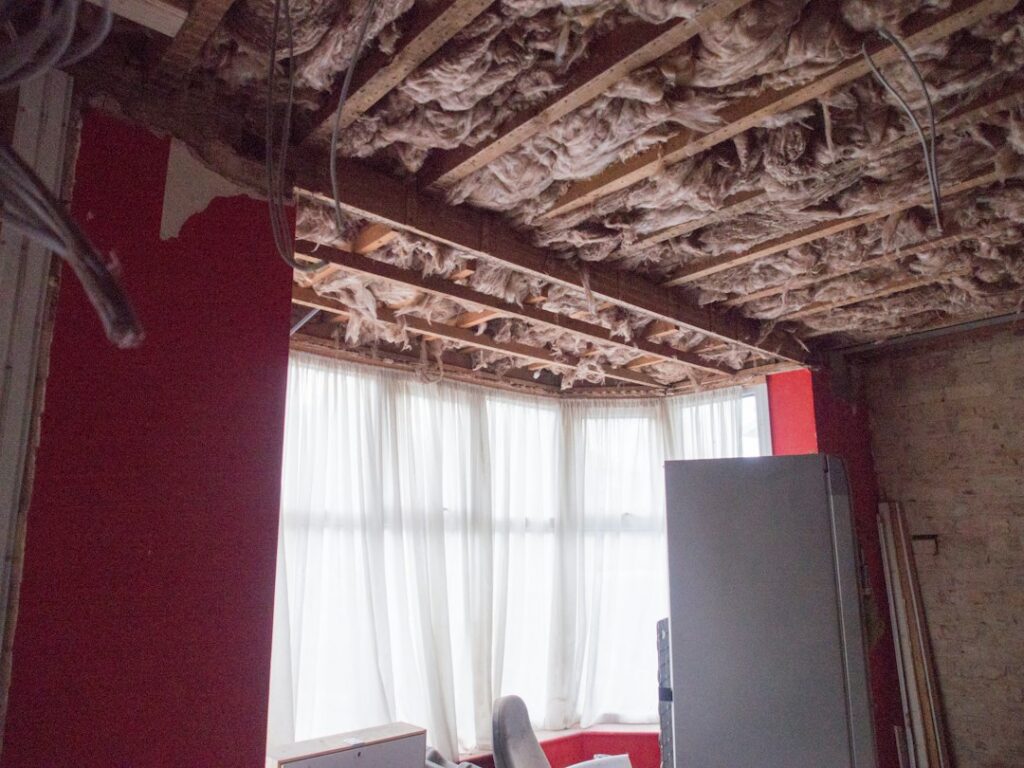
Louisiana Fire Code Fact Check: Is Your Spray Foam a Hidden Violation?
Yes, your spray foam insulation can be a hidden fire code violation in Louisiana if it is left exposed in accessible areas without a proper thermal or ignition barrier.
For over 18 years, Sunlight Contractors has been Louisiana’s trusted expert in spray foam insulation, fireproofing, and home performance. We’ve seen firsthand the incredible benefits of properly installed spray foam, but we’ve also been called to fix dangerous, non-compliant jobs across the New Orleans metro area. Many homeowners and even some contractors don’t realize that improperly installed spray foam insulation can be more than just inefficient—it can be a hidden fire code violation. This fact check will guide you through the essentials of the Louisiana fire code for spray foam, helping you ensure your home is both energy-efficient and, most importantly, safe.
Key Takeaways
- Spray foam insulation is safe and effective only when it is installed according to Louisiana fire code, which typically requires a thermal or ignition barrier.
- Exposed spray foam in accessible areas like attics or crawl spaces is often a direct code violation unless it’s a specific type of foam or has a special fire-retardant coating.
- Non-compliant spray foam can pose a significant fire hazard, jeopardize your homeowner’s insurance policy, and create major issues when you try to sell your home.
- Hiring a certified, experienced professional like Sunlight Contractors is the only way to guarantee your spray foam installation is compliant, safe, and effective.
TL;DR
Improperly installed spray foam insulation can be a serious fire code violation in Louisiana if it lacks a required thermal or ignition barrier (like drywall or a special coating). This creates fire safety risks, can void insurance, and complicates home sales. Always use a certified professional to ensure compliance and safety.
Is Spray Foam Insulation Itself a Fire Hazard?
No, modern spray foam insulation is not a fire hazard when manufactured and installed correctly. The material is treated with a flame retardant and designed to meet specific fire safety standards. However, its safety is entirely dependent on proper installation that adheres to building codes, which prevent it from being a source of ignition or rapid flame spread.
Understanding Foam Classifications
Spray foam products are tested and rated for their surface burning characteristics. The most common rating you’ll encounter is a Class 1 or Class A fire rating.
- Class 1 (or Class A) Fire Rating: This is the highest rating available for building materials. It indicates that the material has a flame spread index of 25 or less and a smoke-developed index of 450 or less. This means it is highly resistant to spreading flames and produces less smoke in a fire compared to lower-rated materials.
- The Role of Flame Retardants: To achieve these ratings, manufacturers treat spray foam with flame-retardant chemicals. These additives are designed to slow ignition and reduce the rate at which flames spread across the foam’s surface. The science behind spray foam ensures it’s a safe product when handled by professionals.
The Real Danger: Improper Installation
The real fire risk doesn’t come from the foam itself, but from how it’s installed. Unqualified contractors create dangerous situations by cutting corners and ignoring code requirements.
- Exposing foam to heat sources: Leaving spray foam exposed near heat-producing elements like recessed lighting, furnace flues, or knob-and-tube wiring is a major hazard.
- Ignoring barrier requirements: The most common and dangerous mistake is failing to install a code-mandated thermal or ignition barrier over the foam. This is not an optional step.
What Does the Louisiana Fire Code Require for Spray Foam Insulation?
The Louisiana State Fire Code requires that spray foam insulation be separated from interior living spaces by an approved barrier. This is based on the International Residential Code (IRC), which mandates either a thermal barrier or, in specific locations, an ignition barrier to prevent the foam from being directly exposed to heat or flame.
The 15-Minute Thermal Barrier Rule
This is the core principle of spray foam fire safety. The code requires a material that can prevent the temperature of the underlying foam from rising above 250°F for at least 15 minutes when exposed to fire. This 15-minute window is critical; it’s designed to give occupants time to escape a house fire before the insulation becomes involved. The most common approved thermal barrier is ½-inch gypsum board (drywall) properly installed over the foam.
Ignition Barriers for Limited-Access Areas
In certain areas that aren’t considered primary living spaces and have limited access, the code allows for a less stringent “ignition barrier” instead of a full thermal barrier. This applies to places like attics and crawl spaces where entry is typically limited to service or storage. Approved ignition barriers include materials like 1.5-inch-thick mineral fiber insulation, ¼-inch-thick wood structural panels, or specialized intumescent coatings applied directly to the foam.
What is a Thermal Barrier and Why is it Required Over Spray Foam?
A thermal barrier is a layer of material installed over spray foam to slow the temperature rise of the foam during a fire. Its sole purpose is to provide a 15-minute barrier, giving your family precious time to escape a house fire before the insulation can contribute to the fire’s growth.
Drywall: The Most Common Thermal Barrier
For most applications in walls and ceilings adjacent to living spaces, ½-inch drywall is the go-to thermal barrier. It’s affordable, widely available, and meets the 15-minute performance standard required by code.
Other Approved Materials
While drywall is common, other materials can serve as a thermal barrier if they meet the 15-minute standard. These might include:
| Material | Typical Thickness | Common Use Cases |
|---|---|---|
| Gypsum Board (Drywall) | 1/2 inch | Walls, ceilings adjacent to living space |
| Plywood/OSB | 3/8 inch (minimum) | Walls, ceilings |
| Mineral Wool Insulation | 1.5 inches | Attics, crawl spaces (as ignition barrier) |
| Intumescent Coating | Varies by product | Attics, crawl spaces, exposed surfaces |
When is a Thermal Barrier NOT Required?
A thermal barrier is generally not required when the spray foam is installed in an area that is sealed off and has no connection to interior living spaces. For example, foam applied to the exterior of a foundation wall that will be backfilled with soil does not require a thermal barrier. Additionally, some specific spray foam products have been tested and approved for application without a barrier, but these are exceptions and require specific documentation from the manufacturer to prove compliance.
Can Uncoated Spray Foam in My Attic Be a Code Violation?
Yes, exposed spray foam in an accessible attic or crawl space is often a code violation if it does not have an approved ignition barrier. While many attics in homes from Kenner to Covington may not require a full thermal barrier like drywall, the foam cannot simply be left exposed unless it has been specifically tested for that application or is covered by an approved coating.
The “Attic-in-a-Can” Myth
Some contractors falsely claim that certain spray foams can be installed in an attic without any covering. This is a dangerous myth. Unless the specific product has an ICC-ES report explicitly stating it can be installed without an ignition barrier in your type of attic, it must be covered. Contractors who install spray foam without an ignition barrier are putting homeowners at serious risk.
Intumescent Paint as an Ignition Barrier
One of the most effective ways to bring an exposed attic into compliance is by applying an intumescent coating. This special, thick paint-like material is a form of fireproofing that swells and chars when exposed to heat, forming an insulating barrier over the foam. This coating must be applied to the manufacturer’s specified thickness to be considered a valid ignition barrier.
How to Know if Your Attic is Compliant
Your attic insulation is likely compliant if one of the following is true:
- The spray foam is completely covered by an approved material like mineral wool, wood panels, or drywall.
- The spray foam has a thick, certified intumescent coating applied over its entire surface.
- Your contractor provided an ICC-ES evaluation report for the specific foam product used, proving it’s approved for use without a barrier in your attic.
If your attic has bare, uncoated foam, it’s almost certainly a code violation.
How Can I Tell If My Spray Foam Installation is a Hidden Violation?
You can spot potential violations by visually inspecting accessible areas like attics, basements, and crawl spaces for exposed, uncoated spray foam. A compliant installation will have the foam fully covered by drywall or another approved barrier, or the foam itself will be coated with a thick, paint-like intumescent coating.
A Quick Visual Checklist for Homeowners
- Check for exposed foam in living areas. Foam behind drywall is fine, but if you see it exposed on a basement wall or ceiling that’s part of your living space, it’s a violation.
- Look for uncoated foam in accessible attics/crawl spaces. Go into your attic or crawl space. If you see bare foam that looks like a hardened, crunchy surface, it likely needs a barrier. A properly coated surface will look like it has a thick layer of matte paint.
- Ask for product data sheets from your installer. A professional contractor should provide you with the technical data sheets and any relevant ICC-ES reports for the products they installed.
Red Flags During Installation
- Contractor skips the barrier installation. If your contractor sprays the foam and calls the job done without installing or even mentioning a barrier, that’s a massive red flag.
- Contractor claims barriers aren’t needed. Any contractor who dismisses the need for a fire barrier is either ignorant of the law or willfully breaking it.
- No permits pulled for the job. Major insulation work often requires a permit. A contractor who avoids the permitting process is likely trying to avoid inspection of their non-compliant work.
What Are the Risks of Non-Compliant Spray Foam Insulation?
Non-compliant spray foam poses severe risks, including accelerated fire spread, immediate failure of a home inspection, and the potential voiding of your homeowner’s insurance. These hidden violations can turn your energy-saving investment into a dangerous and costly liability that puts your family and property at risk.
Fire Safety and Occupant Health
The primary risk is fire. Without a barrier, spray foam can ignite more quickly and spread flames faster, reducing the time you have to escape. This is a life-safety issue, first and foremost.
Insurance and Liability Issues
If a fire occurs and an investigation reveals non-compliant insulation, your insurance company may have grounds to deny your claim. You could be left financially responsible for the entire loss. This is especially true in the humid climate of Southern Louisiana, where any deviation from code can be scrutinized.
Problems with Home Appraisals and Sales
A hidden code violation will almost certainly be flagged during a home inspection when you try to sell your house. A knowledgeable inspector in Marrero or Gretna will spot exposed foam immediately. This can derail a sale or force you into expensive, last-minute remediation work, which often involves the difficult process of removing the old spray foam.
Why Should I Hire a Certified Professional for Spray Foam in New Orleans?
You should hire a certified professional to ensure your spray foam insulation meets all Louisiana fire codes, providing a safe, effective, and warrantied result. Experts like Sunlight Contractors understand the specific code requirements for parishes across the New Orleans metro area and beyond, from Metairie and Kenner to Mandeville and Slidell, protecting your investment and your family.
Code Knowledge and Permit Management
A professional contractor navigates the complex web of building codes. We understand the local amendments in New Orleans, Gretna, and Marrero and ensure every job is properly permitted, inspected, and approved. This isn’t just paperwork; it’s your assurance that the job was done to the highest safety standard.
Correct Material Selection and Application
There are many types of spray foam and fire-retardant coatings. A certified expert will select the right open-cell or closed-cell foam for your project and apply the correct ignition barrier to meet code. This expertise is critical in Louisiana’s unique climate, where controlling moisture is just as important as thermal performance.
Sunlight Contractors: Your Local, Code-Compliant Experts
For over 18 years, Sunlight Contractors has been the authority on spray foam insulation and fireproofing in Louisiana. We serve communities from Baton Rouge to Bay St. Louis, MS, with a proven track record of safe, compliant, and high-performance installations. We don’t cut corners—we build a better, safer building envelope for your home.
Don’t Risk a Hidden Violation — Trust the Experts at Sunlight Contractors
A Louisiana fire code violation isn’t just a piece of paper—it’s a serious risk to your home and family. The peace of mind that comes from knowing your spray foam insulation was installed correctly by seasoned professionals is priceless. With over 18 years of experience serving homeowners and businesses across Louisiana and Mississippi, Sunlight Contractors guarantees that every job is done right, to code, the first time.