
That ‘Old New Orleans’ Smell: Why Your Musty Home Isn’t Charming, It’s Dangerous
The musty smell in your old New Orleans home is a direct result of moisture, mold, and mildew, which poses significant health risks and can cause severe structural damage. It is not a sign of historic charm but a clear warning that your home’s building envelope has been compromised by excess humidity and air leakage.

There’s a smell many of us in New Orleans know well. It’s that scent of history, humid air after a downpour, and aged wood that hangs in the air of older homes from the Garden District to the Marigny. Some call it charming, the authentic perfume of the Crescent City. Let’s be direct: that’s a dangerous misconception. That “charming” musty odor isn’t history; it’s a warning sign of a problem festering inside your walls, attic, and crawl space.
For over 18 years, the team at Sunlight Contractors has helped homeowners and businesses across Louisiana and Mississippi reclaim their properties from the dangers of moisture and decay. As a leader in spray foam insulation, foundation repair, and damage restoration, we understand the unique challenges of our climate. We know that a musty smell is the first sign of a much bigger issue that needs to be solved, not masked.
Key Takeaways
- That “Old New Orleans” smell is not a charming quirk; it’s a dangerous indicator of mold, mildew, and excessive moisture trapped in your home.
- The primary causes in New Orleans are high humidity, air leakage in older homes, and unsealed crawl spaces, which create a breeding ground for mold and rot.
- Health risks associated with this smell include respiratory problems, allergies, and other chronic illnesses, while structural risks involve wood rot and foundation damage.
- Modern insulation, particularly closed-cell spray foam, is the most effective solution because it creates an air and moisture barrier, stopping the problem at its source.
- Choosing an experienced, local contractor like Sunlight Contractors is crucial to ensure the job is done right, protecting both your family’s health and your property’s value.
TL;DR
The musty smell in your New Orleans home is caused by dangerous mold and moisture, not historic charm. This can lead to serious health issues and structural damage. The most effective, permanent solution is installing spray foam insulation to create an air and moisture barrier, a specialty of Sunlight Contractors for over 18 years in Louisiana.
What Exactly Is That ‘Old New Orleans’ Smell?
That distinct musty smell is primarily caused by the off-gassing of active mold and mildew growth thriving on moisture trapped within your home’s structure. It’s the smell of decay. This odor is composed of Microbial Volatile Organic Compounds (MVOCs), which are gasses released by mold as it consumes and digests organic materials like wood, drywall paper, and old, dusty insulation. According to the U.S. Environmental Protection Agency, the presence of these MVOCs is a clear indicator that a mold problem exists.
This isn’t the temporary, clean smell of a rainy day. It’s a persistent, earthy odor that gets stronger in humid weather and signals a constant, underlying moisture problem. You’re not smelling history; you’re smelling an active biological process that is damaging your home and potentially your health.
Why Is a Musty Smell In My House Dangerous?
A persistent musty smell is dangerous because it confirms the presence of mold, which can cause severe respiratory illnesses and silently inflict costly structural rot. Ignoring the smell is like ignoring a smoke alarm. The danger is real, and it impacts both the people living in the house and the house itself.
Health Risks for Your Family
The MVOCs that create the odor are just one part of the problem. Mold also releases microscopic spores into the air you breathe. For many, this leads to immediate and chronic health issues. The Centers for Disease Control and Prevention (CDC) states that exposure to damp and moldy environments can cause a variety of health effects.
Common health issues include:
- Persistent allergies and hay fever-like symptoms (sneezing, runny nose, red eyes)
- Asthma attacks and wheezing in individuals with asthma
- Chronic sinus infections and congestion
- Headaches and persistent fatigue
- Skin irritation and rashes
These risks are significantly higher for vulnerable populations, including children, the elderly, and anyone with a compromised immune system. Living in a home with a constant musty smell means you are constantly breathing in these irritants, putting your family’s well-being at risk.
Structural Risks to Your Property
While you’re breathing in mold spores, the moisture that allows them to grow is silently attacking your home’s structure. Wood and water are a disastrous combination. Moisture leads directly to wood rot, compromising the integrity of critical structural components.
Structural risks include:
- Rotting Floor Joists: Especially common in homes with damp, unsealed crawl spaces, leading to soft, bouncy, or sagging floors.
- Damaged Wall Studs: Trapped moisture inside walls can rot studs from the inside out, weakening the entire structure.
- Roof Deck Decay: Poor attic ventilation and air leaks can cause condensation on the underside of your roof, leading to rot and an eventual, costly roof replacement.
- Foundation Damage: Persistent moisture in and around your foundation can lead to cracks and settling, requiring expensive foundation inspection and repair.
- Pest Infestations: Damp, rotting wood is an open invitation for termites, carpenter ants, and rodents.
What Makes New Orleans Homes So Prone to Mustiness and Moisture?
New Orleans homes are uniquely prone to mustiness due to the region’s relentless humidity, porous historic building materials, and common construction with unsealed crawl spaces. Our beautiful, historic architecture comes with a built-in vulnerability to the subtropical climate we live in.
The Unrelenting Gulf Coast Humidity
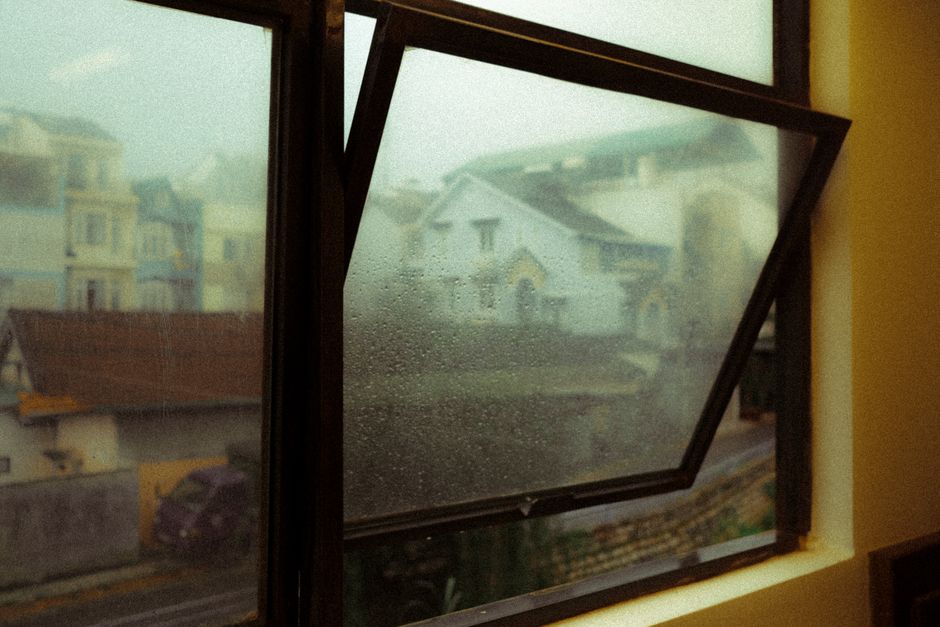
The core of the problem is our air. The Gulf Coast has some of the highest humidity levels in the country. This creates a phenomenon called “vapor drive,” where this heavy, moisture-laden outdoor air is constantly trying to force its way into your cooler, drier, air-conditioned home. It moves through any crack, gap, or porous material it can find. Traditional insulation, like old fiberglass batts, does little to stop this. In fact, it can act like a sponge, absorbing this moisture and becoming a damp, mold-infested mess inside your walls and attic.
The Challenge of Historic Homes & Pier-and-Beam Foundations
Many of our beloved homes in New Orleans, Metairie, and Slidell were built long before modern building science. They were designed to “breathe,” which was effective before air conditioning but is a major liability today. These older construction methods left countless gaps and cracks.
The true Achilles’ heel for many Louisiana homes is the dark, damp, and unsealed crawl space. On a hot, humid day, the ground under your home is constantly releasing moisture. In an unsealed crawl space, this water vapor rises and is absorbed directly into your subfloor, floor joists, and insulation, creating a perfect environment for mold, mildew, and rot. This moisture then travels up into your living space through a process known as the stack effect, bringing the musty smell with it.
How Can I Permanently Get Rid of the Musty Smell in My Home?
You can permanently eliminate musty smells not by masking them, but by stopping moisture and air intrusion at the source with a complete air seal. Temporary fixes are a waste of money and give you a false sense of security while the underlying problem of rot and mold continues to get worse.
| Solution | Effectiveness | Description |
|---|---|---|
| Air Fresheners & Candles | None | Only masks the odor temporarily. Does nothing to solve the root cause. |
| Dehumidifiers | Low | Can help reduce ambient moisture in a room but cannot stop moisture intrusion within walls, attics, or crawl spaces. |
| Painting Over Stains | None | Hides the visual evidence but allows mold and rot to continue growing underneath. |
| Air Sealing & Insulation | Permanent | Creates a complete barrier, stopping humid air and moisture from entering the home’s structure in the first place. |
The only way to win the war against moisture is to control the building envelope—the physical barrier between the conditioned interior and the unconditioned exterior. The goal is to stop humid air from getting inside your walls, attic, and crawl space where it can condense and fuel mold growth.
Why Is Spray Foam Insulation the Best Solution for New Orleans’ Humidity?
Closed-cell spray foam insulation is the best solution for humid climates because it acts as an all-in-one insulator, air barrier, and moisture barrier. Unlike other types of insulation that can absorb or allow moisture to pass through, closed-cell spray foam creates a rigid, seamless, and waterproof seal. It is the single most effective product for protecting Louisiana homes from our climate.
It Creates an Airtight Seal
Spray foam is applied as a liquid that expands to fill every single crack, crevice, and gap. This process of air sealing is far more effective than trying to fit batts or blow loose-fill insulation around pipes and wiring. By stopping air leakage, you stop the infiltration of humid, mold-spore-laden air from the outside, dramatically improving your indoor air quality.
It’s a Powerful Moisture Barrier
The structure of closed-cell spray foam is key. It is non-porous and does not absorb water. It acts as a true vapor barrier, preventing moisture from passing through it. This makes it the ideal solution for insulating crawl spaces and the underside of roof decks. It locks moisture out of your home’s structure, eliminating the food source for mold and mildew.
It Adds Structural Strength
As an added benefit, closed-cell spray foam cures into a dense, rigid solid. When applied to wall cavities or the underside of a roof deck, it adheres to the structure and actually increases its racking strength. This can add significant structural integrity to older, historic homes, helping them better withstand high winds and the stresses of time.
Who Can I Trust to Insulate My Louisiana Home Correctly?
You should trust a licensed and insured local expert with proven experience in the Louisiana climate, like Sunlight Contractors, to protect your home and family. Installing spray foam insulation is not a DIY project; it requires extensive training, specialized equipment, and a deep understanding of building science to be done safely and effectively. The dangers of hiring an unqualified spray foam contractor are significant and can lead to even bigger problems.
For over 18 years, Sunlight Contractors has been the expert that homeowners and even other contractors trust. We have served communities across Louisiana and Mississippi, from historic homes in New Orleans to new builds in Covington and businesses in Baton Rouge. Our deep understanding of local building codes and climate-specific challenges ensures the job is done right the first time. Our services go beyond just insulation; we handle moisture remediation, renovations, and foundation repair, meaning we can diagnose and solve the entire problem, not just one part of it.
Our service areas include Metairie, Kenner, Slidell, Mandeville, Gretna, and all the way to Bay St. Louis, MS, ensuring local expertise is always nearby.
Final Thoughts
That musty, “Old New Orleans” smell is a serious warning. Don’t romanticize it, and don’t ignore it. The health of your family and the structural integrity of your home are at stake. This is a solvable problem, but it requires a modern, comprehensive solution that addresses the root cause: uncontrolled air and moisture infiltration. You don’t have to live with the smell or the danger it represents. By creating a properly sealed and insulated building envelope, you can protect your greatest investment and create a healthier, safer environment for the people you care about most.