

The Great Misdiagnosis: Why Your Louisiana Energy Bill Is an Insulation Problem, Not an AC Problem
It’s July in New Orleans. The air is thick enough to swim through, and the cicadas are screaming. Your air conditioner, which has been running non-stop since May, sounds like it’s crying for help. Your home is still sticky, the upstairs is a sauna, and the downstairs is merely cool-ish. Then, the Entergy bill arrives. It’s another painful shock to the system, and your first instinct is to blame the machine working itself to death on the side of your house.
This is the great misdiagnosis.
It’s easy to point the finger at the AC unit. It’s the loudest part of the system, the one visibly working overtime. But in most cases, your air conditioner is just a symptom of a much larger, hidden problem. It’s a soldier fighting a losing battle against an enemy it was never designed to defeat: your home’s broken thermal envelope.
The root cause of your high Louisiana energy bills and summer discomfort is almost always your home’s insulation—or lack thereof. This is the honest truth. Fixing it is the only effective way to achieve real comfort and lasting savings. For over 18 years, Sunlight Contractors has been the trusted expert for Louisiana homeowners and businesses, diagnosing and solving these exact issues. We don’t just sell products; we provide comprehensive energy solutions, specializing in state-of-the-art spray foam and blown-in insulation that solve the problem at its source.
Key Takeaways
- High energy bills in New Orleans are most often caused by poor attic and wall insulation, forcing your AC to run constantly to combat extreme heat gain.
- An overworked AC is a symptom, not the cause. The “Great Misdiagnosis” is blaming your HVAC system for problems originating from air leaks and an inadequate thermal barrier.
- Modern insulation like spray foam and blown-in insulation does more than just insulate; it creates an air seal, which is critical for stopping heat and humidity in Louisiana’s climate.
- Upgrading your insulation can significantly lower your energy bills, improve indoor air quality, create a more comfortable and quiet home, and extend the lifespan of your expensive AC unit.
- Working with a Louisiana-based expert like Sunlight Contractors ensures you get a solution tailored to our unique climate and housing stock.
TL;DR
Your high Louisiana energy bill isn’t your AC’s fault. It’s because your home is poorly insulated. Intense heat from your attic radiates into your living space, and cool air leaks out through countless gaps. Your AC can’t keep up. The solution is to create an air seal with modern insulation like spray foam, which stops the energy loss at its source, drastically lowering your bills and making your home more comfortable.
The Vicious Cycle: How Your AC Fights a Losing Battle in New Orleans
To understand the solution, you must first understand the fight your HVAC system is losing every single day. It’s a three-front war against heat, air leaks, and humidity.
The Enemy Above: Your 150-Degree Louisiana Attic
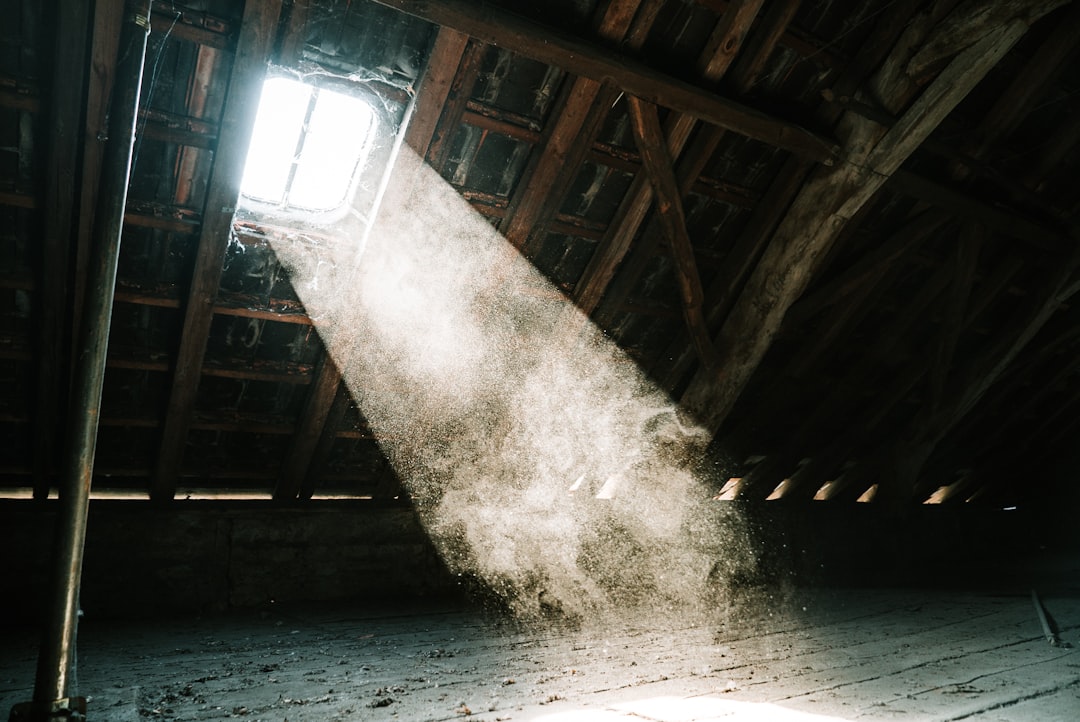
Think about your roof on a blistering August afternoon. The sun bakes the shingles, and that energy has to go somewhere. It goes directly into your attic, pushing temperatures to 150°F or even higher.
This creates a phenomenon called Radiant Heat Transfer. Your super-heated attic acts like a giant radiator, relentlessly pushing heat down through your ceiling joists and drywall, directly into your living space. Your AC is trying to cool the air in the room while the ceiling is actively working to heat it from above. It’s an impossible task. No matter how hard your AC runs, it can’t overcome a constant source of heat pouring in from overhead. This is why the second floor of your home is always so hot.
Air Leaks: The Invisible Thieves of Your Cool Air
Heat isn’t the only problem. Your home is likely full of small, invisible gaps and cracks. In Louisiana, this is compounded by the Stack Effect. Hot, buoyant air in your home rises and escapes through leaks in the attic. This creates a vacuum that pulls hot, unconditioned, and incredibly humid outside air into the lower levels of your home.
Common leakage points in New Orleans homes include:
- Recessed lighting fixtures (“can lights”)
- Attic hatches and pull-down stairs
- Gaps around plumbing vents and electrical wiring
- Old, unsealed window and door frames
- Wall cavities that are uninsulated
Running your AC with this level of air leakage is like trying to keep a cooler full of ice with the lid wide open on the beach. You’re paying to cool the entire neighborhood, and the humid air being pulled in forces your AC to work even harder to dehumidify, leading to that sticky, clammy feeling.
Why a Bigger, “More Powerful” AC Unit Is a Costly Mistake
A common reaction to an underperforming AC is to replace it with a bigger, more powerful unit. This is one of the most expensive mistakes a homeowner can make.
An oversized AC unit is designed to cool a larger space than you have. It will blast cold air, satisfying the thermostat quickly and shutting off. This process, known as Short-Cycling, is disastrous for two reasons. First, it doesn’t run long enough to perform its other critical job: dehumidification. This leaves you with a room that feels cold but damp. Second, the constant starting and stopping puts immense wear and tear on the compressor, drastically shortening the unit’s lifespan and wasting enormous amounts of energy.
The Real Culprit: Unpacking Louisiana’s Insulation Problem
The AC isn’t the villain. The true culprit is the outdated, inadequate, or non-existent insulation that makes up your home’s building envelope.

The Problem with Old, Settled, or Missing Insulation
Walk into the attic of a typical older New Orleans home, and you’ll likely find thin, compressed fiberglass batts, old rock wool, or in some cases, nothing at all. Over the decades, this material gets dirty, settles, gets damaged by moisture or pests, and leaves massive gaps.
These old materials were never designed to handle the intense heat and humidity we face today. They offer minimal resistance to the radiant heat pouring from the roof deck, and they do absolutely nothing to stop air leakage. Old, ineffective insulation is the primary reason your home feels uncomfortable and your bills are out of control.
R-Value vs. Air Sealing: What Really Matters in the Deep South
For years, the conversation around insulation has been dominated by one term: R-value.
- R-Value: A measure of an insulation material’s resistance to conductive heat flow. The higher the R-value, the better it insulates.
While R-value is important, it only tells part of the story, especially in a hot, humid climate like ours. The biggest energy losses come from convection—the movement of air. Air carries both heat and moisture. If your insulation doesn’t stop air movement, its R-value is severely compromised.
This is where Air Sealing becomes the critical missing piece. You must stop the air from moving to truly control your home’s temperature and humidity. A home with a high R-value but poor air sealing is still an inefficient home. This is where modern insulation solutions completely change the game.
The Modern Solution: How Spray Foam and Blown-In Insulation Break the Cycle
To win the war against high energy bills, you need a modern weapon. Fiberglass batts are an outdated technology. The definitive solutions for Louisiana’s climate are spray foam and high-performance blown-in insulation.
Spray Foam Insulation: The Gold Standard for Air & Moisture Control
Spray Polyurethane Foam (SPF) is applied as a liquid that expands to fill every single crack, gap, and crevice. It cures into a rigid, solid barrier that provides both insulation and an exceptional air seal in one application.
| Benefit | How It Works for Louisiana Homes |
|---|---|
| Superior Air Sealing | It creates a monolithic, airtight barrier, completely stopping the air leaks that drive the stack effect and let in humid air. |
| Moisture Barrier | Closed-cell spray foam is impermeable to water, acting as a robust moisture barrier that helps prevent humid air from entering the attic or crawl space, reducing the risk of mold and mildew. |
| Structural Integrity | Closed-cell foam adheres to the structure and adds significant racking strength to the roof deck, a major benefit during Louisiana’s storm season. |
| Long-Term Performance | Unlike fiberglass, spray foam doesn’t sag, settle, or degrade over time. It’s a permanent solution that performs for the life of your home. |
Blown-In Insulation: A Powerful and Effective Upgrade
Blown-in insulation, typically made of fiberglass or cellulose, is a highly effective method for upgrading attic insulation, especially in homes with existing, inadequate insulation. The material is blown into the attic using a specialized hose, allowing it to fill in completely around joists, pipes, and wiring.
This process creates a seamless blanket of insulation, eliminating the gaps and compression issues that plague traditional batt insulation. It’s a cost-effective way to add significant R-value and improve thermal performance, often in less than a day with minimal disruption to your home.
Why Choose a Louisiana Expert? The Sunlight Contractors Difference
Fixing these complex issues isn’t a job for a handyman or a national chain that doesn’t understand our climate. You need a local expert.
We Understand New Orleans Homes: 18+ Years in Your Backyard
Sunlight Contractors isn’t a franchise; we are Louisiana insulation specialists. For over 18 years, we have served the needs of homeowners and businesses across the state. We understand the unique challenges of insulating New Orleans homes, from historic “shotgun” houses and raised pier-and-beam foundations to the relentless, oppressive humidity that defines our region. Our deep experience means we know how to diagnose the problem correctly and apply the right solution—whether it’s spray foam, blown-in cellulose, or a hybrid approach—without compromising your home’s character or structural integrity.
A Whole-Home Approach for Homeowners and Contractors
We work directly with homeowners to solve comfort and energy issues, and we partner with contractors to ensure new builds and renovations meet the highest standards of performance. Our expertise isn’t limited to insulation. With services including commercial fireproofing and foundation repair, we have a comprehensive understanding of building science. This holistic approach ensures that the solutions we provide are effective, durable, and right for your specific property.
Stop the Misdiagnosis and Start Saving
The war for a comfortable home and a lower energy bill is won in the attic and walls, not at the thermostat. Continuing to blame your AC or, even worse, buying a new one without addressing the real problem is a costly misdiagnosis.
The permanent solution is to address the root cause: your home’s failed thermal envelope. By creating a complete air seal and adding effective insulation, you stop the energy loss at its source. Your AC can finally do its job efficiently, your home will be more comfortable and healthier, and your energy bills will drop dramatically. It’s time to take control of your home’s performance.